As we reach the midpoint of 2023, Americans’ financial stress levels have slightly eased compared to the recent high point of 67.6 recorded in 2022. The financial stress index for the first half of 2023 averaged 66.3. In comparison, the average for 2022 was 67.6, while the highest recorded level was 68.4 in 2008. The chart below presents the average stress index for each year.
However, despite the slight improvement, out of the 36 demographic categories we track, 29 (81%) still experience elevated stress, 10% higher than their historical average. Furthermore, all 36 groups are in the “stress zone,” leading us to label it an epidemic.
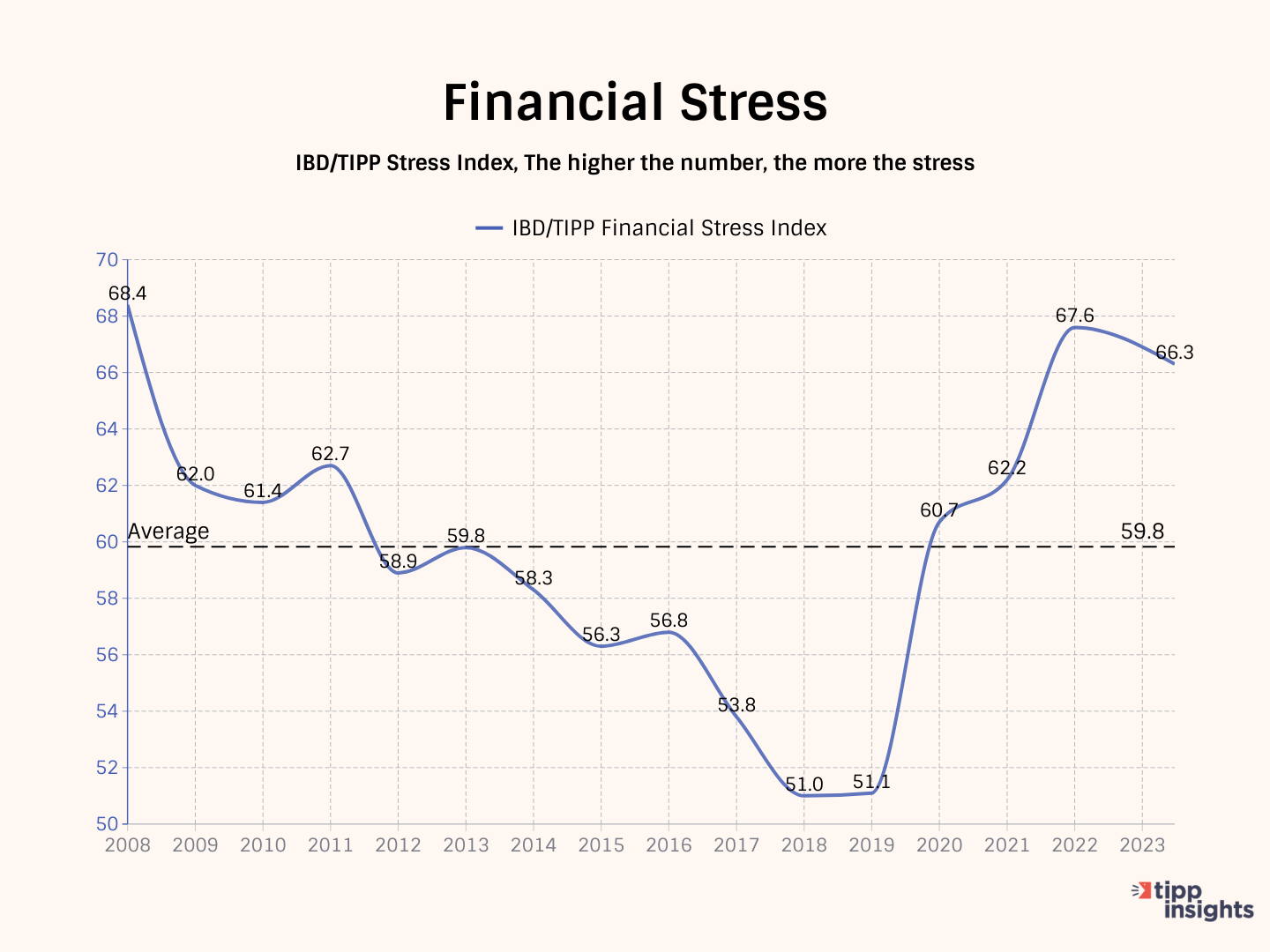
The IBD/TIPP Financial Stress Index is a one-of-a-kind financial stress metric. In December 2007, we began using it to track financial stress. The index accurately indicates Americans’ financial concerns about paying bills and making ends meet. Consumer spending drives two-thirds of the economy. When people are stressed, they are hesitant to spend money.
There is another aspect too. Financial stress can lead to insomnia, weight gain (or loss), depression, anxiety, relationship difficulties, social withdrawal, and other physical ailments such as headaches, gastrointestinal problems, diabetes, high blood pressure, and heart disease.
We computed the stress index from responses to the questions: Thinking of your personal finances, compared to the past three months, do you feel more stressed these days, less stressed these days, or feel the same level of stress?
The index ranges from 0 to 100; the higher the number, the more stress. A reading of 50.0 is the neutral point.
On a positive note, the June reading of the Investor’s Business Daily/TIPP Financial Stress Index is 66.8, below the three-month moving average of 67.3, reflecting positive momentum.
Persistent Bidenflation, layoffs, and job insecurity exacerbate financial stress.
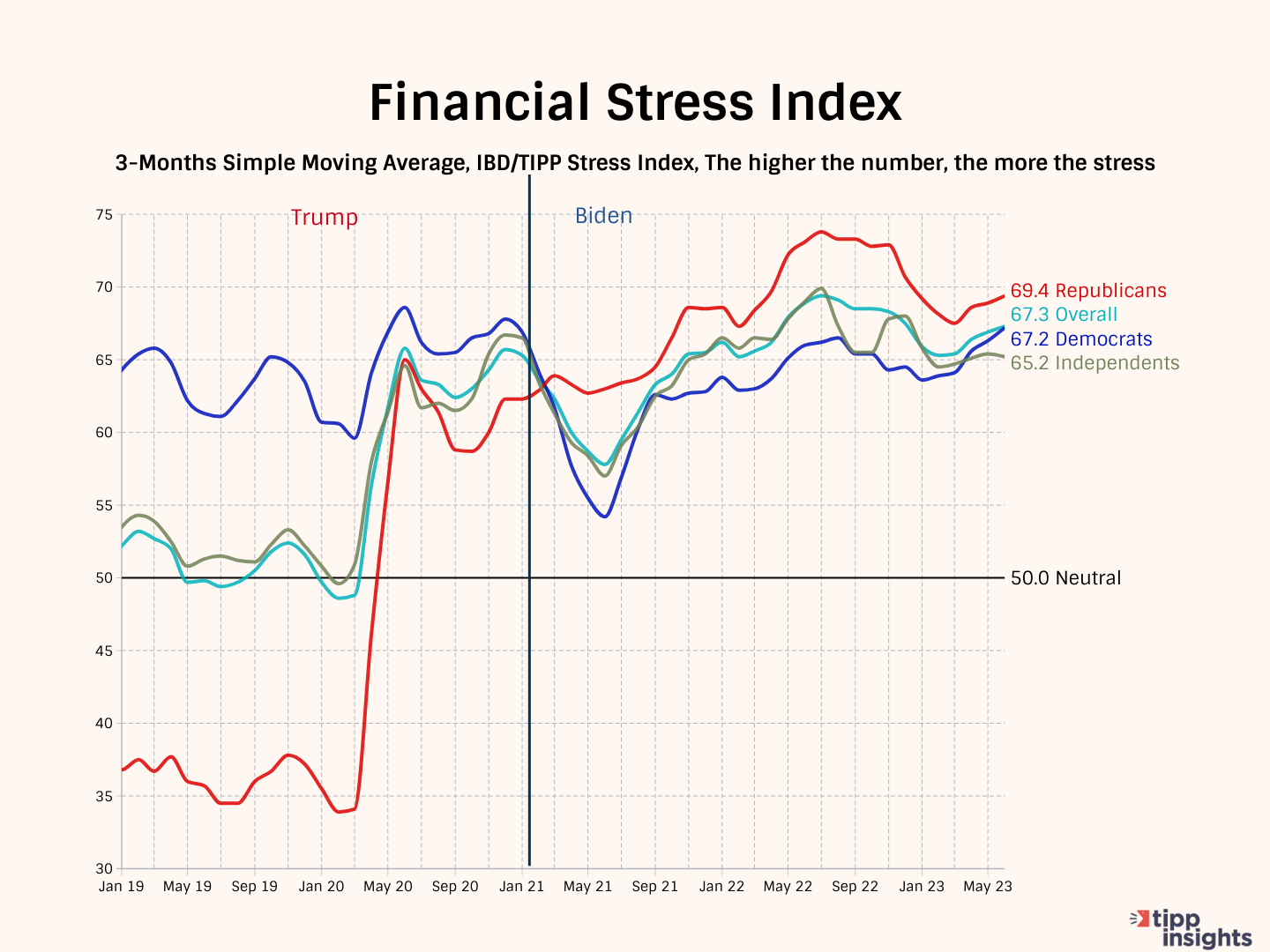
The chart below shows that financial stress impacts all Americans, irrespective of their party affiliation. Republicans (69.4) have the highest stress levels, while Democrats’ stress level is 2.2 points lower (67.2), nearly close to the overall level of 67.3. Independents had the lowest stress at 65.2, 2.1 points lower than the overall 67.3.
By The Numbers
The table below shows the historical averages of the index, the June readings, and the differences across demographic groups. All 36 demographic groups exhibit stress, with readings above the neutral level of 50.0. Of the 36 demographic categories, 29 (81%) experience stress, 10% higher than their historical average.
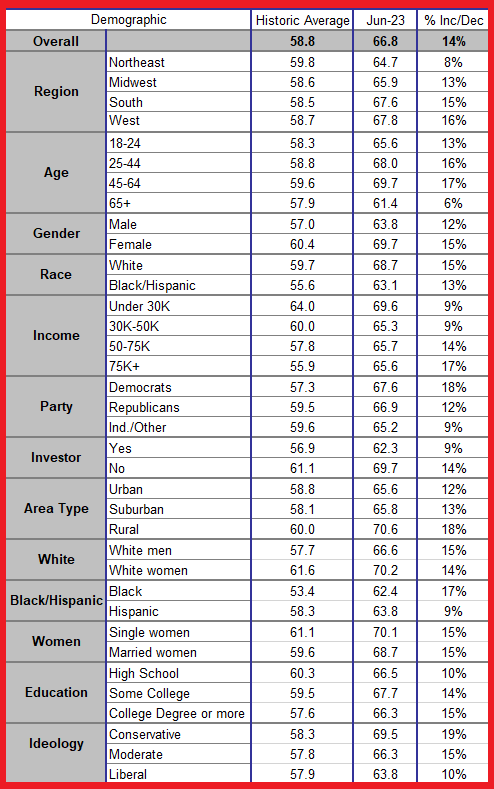
Here are the ten demographic groups with the highest stress levels based on a three-month simple moving average. Conservatives are the most stressed group, followed by white women.

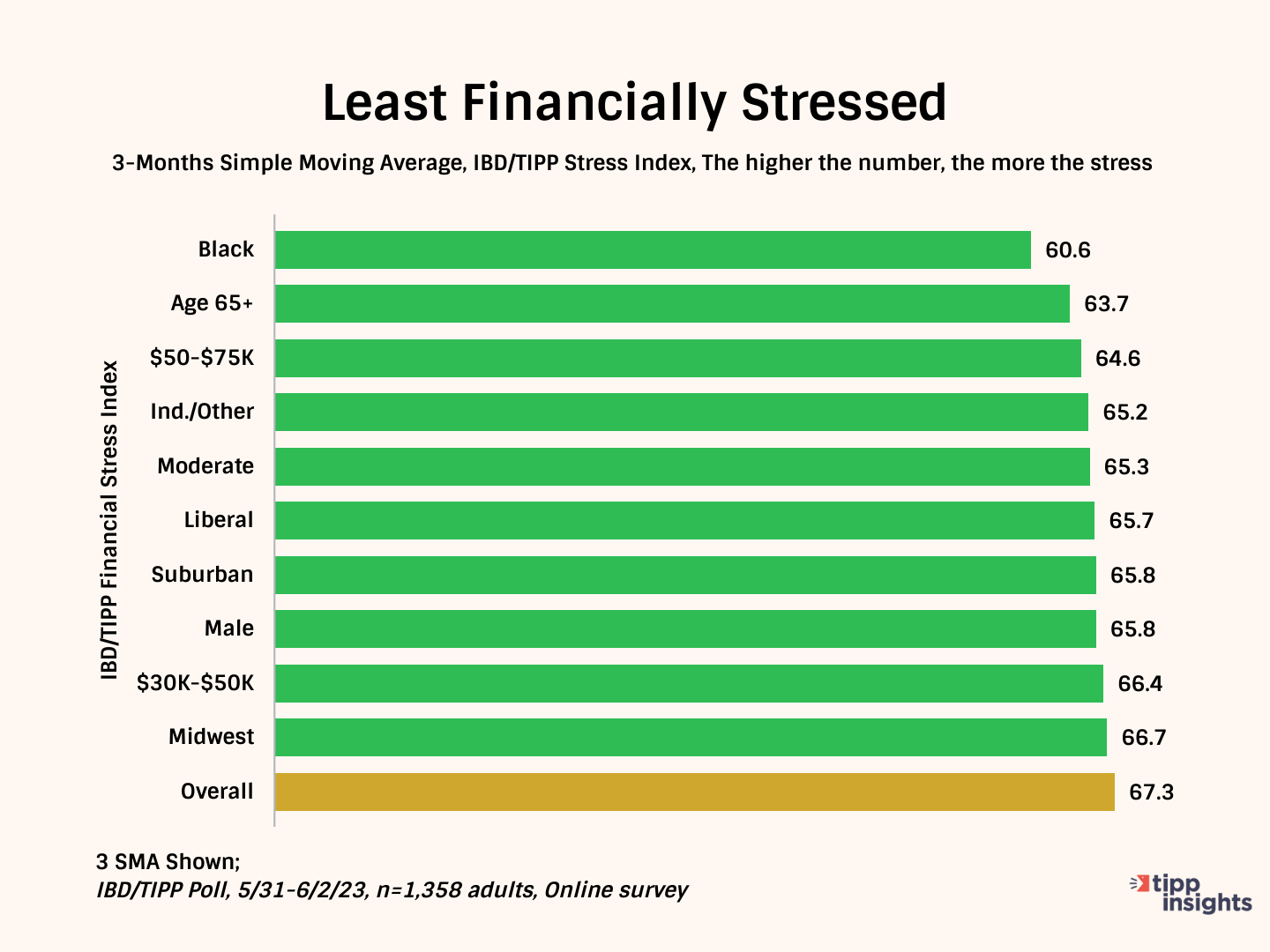
The chart below shows the ten demographic groups with the least stress. The least stressed groups are blacks, age 65+, $50K–$75K, independents, and moderates.
Biden’s Handling Of The Economy
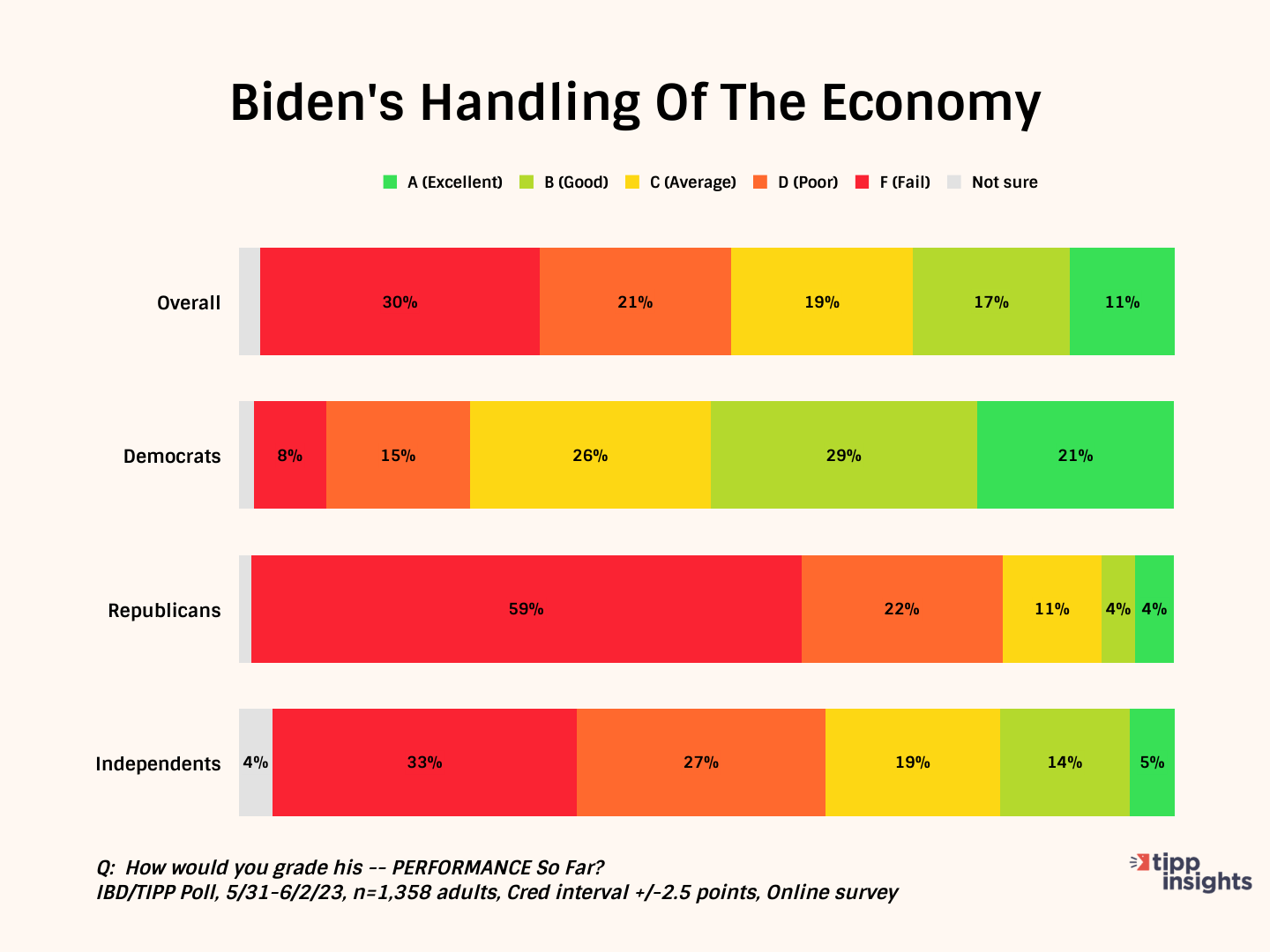
In our latest poll, most Americans (51%) give Biden a failing grade (D or F) regarding his handling of the economy. Only 28% give him an A or B.
Among Democrats, half (50%) give him positive grades, 24% believe he deserves failing grades, and another 26% rate his performance as average (C).
In contrast, Republicans are much more critical, with 81% expressing dissatisfaction with Biden’s handling of the economy.
Furthermore, independents also express their disappointment, with 60% giving failing grades, 19% giving good grades, and 19% rating his performance as average.
Our data shows that the impact of the pandemic and inflation persists as the nation faces the stagflation monster. When discussing inflation, President Biden needs to consider Americans’ financial stress and address it in a way that is sensitive to their feelings.
Like our insights? Show your support by becoming a paid subscriber!
TIPP Takes
Geopolitics And Geoeconomics
1. What Will Putin Do Next? And Other Key Questions – BBC
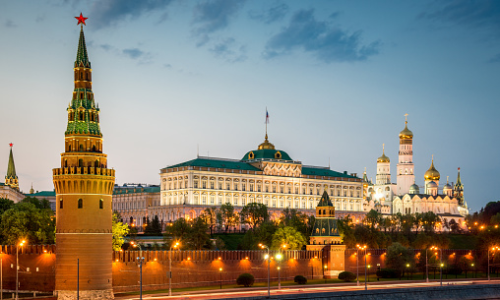
Emergency security measures remain in place in Moscow after a rebellion by Wagner mercenaries that has shaken the position of the Russian president.
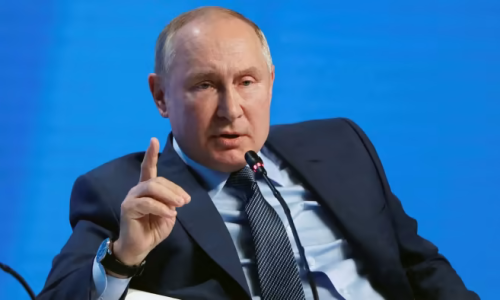
Some anticipate Mr. Putin will lash out in some way, either militarily at Ukraine or at those inside Russia who have been unsupportive.
Polish MEP Radek Sikorski told the BBC that the Russian leader would “probably purge those whom he saw as wavering,” meaning his regime would become “more authoritarian and more brutal at the same time.”
2. Opinion/Analysis: Putin’s Regime ‘Is Over,’ Says Analyst, And ‘Something New Is Starting In Russia’ – RFE/RL
The fact that “the people are silent” is irrelevant to the continuing power struggle. This is no longer the regime we’ve seen before. Lots of people will be looking at Putin now from a different angle.
3. Russian Defence Minister Shoigu Shows Up In Public For First Time Since Wagner Uprising
Russian defense minister Sergei Shoigu appeared in public for the first time since Wagner chief Prigozhin launched an insurrection against Russia’s senior military leadership and demanded Shoigu be handed over to the Wagner mercenaries.
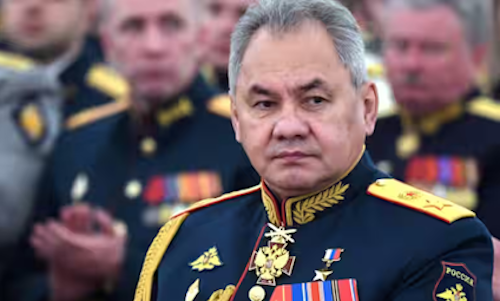
The brief video, posted on Monday by the defense ministry, showed Shoigu inspecting a Russian command point and reportedly listening to updates related to the progress of Russia’s war in Ukraine.
4. PM Kishida Says G-7 Nations To Work Closely Following Russia Uprising – Kyodo
Japan will coordinate with the other G-7 nations in addressing the situation in Russia following an uprising aimed at ousting Moscow’s military leadership, PM Fumio Kishida said.
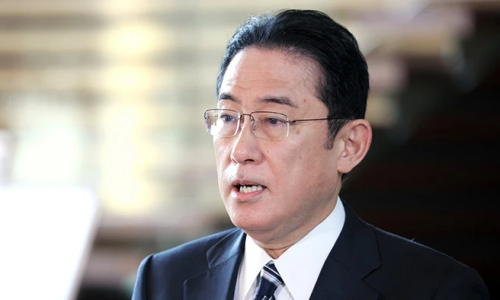
“We will continue to keep close tabs on developments from now on,” Kishida told reporters at his office, a day after he was briefed about the rebellion by the private military company Wagner Group founded by Yevgeny Prigozhin.
5. Ruble Opens At 15-Month Low Vs. Dollar After Aborted Mutiny – RFE
The Russian ruble opened at a near 15-month low against the dollar in early morning trade on June 26, responding for the first time to an aborted mutiny by heavily armed mercenaries over the weekend.
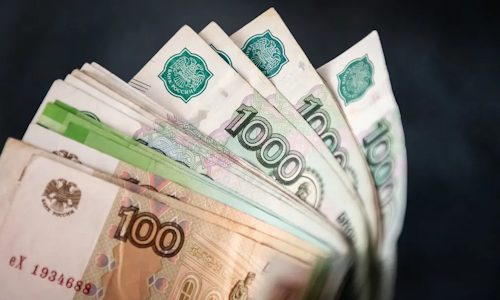
It had lost 2.2 percent to trade at 94.37 versus the euro and shed 2.1 percent against the yuan to 11.95.
6. Mitsotakis Wins Second Term As Prime Minister Of Greece – UPI
Kyriakos Mitsotakis said he would bring “major changes” to Greece after securing a second term as Prime Minister on Sunday.
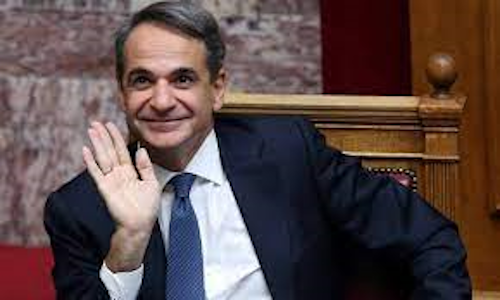
Mitsotakis’ conservative New Democracy Party has earned more than 40% of the vote, with about 96% of votes counted, CNN reports. The result will position Mitsotakis’ party with a 158-seat majority in the 300-seat parliament.
7. Erdogan Tells NATO Chief Sweden Must Stop Kurdish Protests
Turkey objects to Sweden’s bid to join the Western military alliance, claiming the country harbors ‘terrorists.’

Sweden must stop protests by supporters of the outlawed Kurdistan Workers’ Party (PKK) in Stockholm to get the green light on its NATO membership bid, Turkish President Recep Tayyip Erdogan has told NATO’s Secretary-General.
8. Huge Crowds Swarm From Mecca For Hajj Climax – Rfi
Hundreds of thousands of Muslim pilgrims walked or rode buses Monday to a giant tented city near Mecca for the climax of the annual hajj that Saudi officials say could break attendance records.
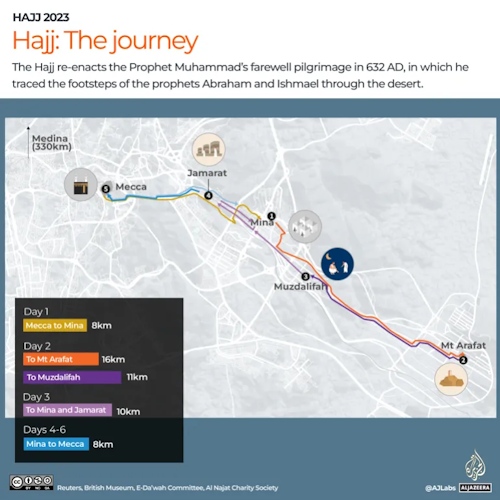
All capable Muslims are expected to form the hajj at least once. Officials said about 1.6 million foreigners had arrived for the pilgrimage by Friday evening.
9. Barack Obama: Row In India Over Former US President’s Remarks On Muslim Rights – BBC
Leaders of India’s governing party have criticized former US President Obama for his recent remarks on Muslims in the country.
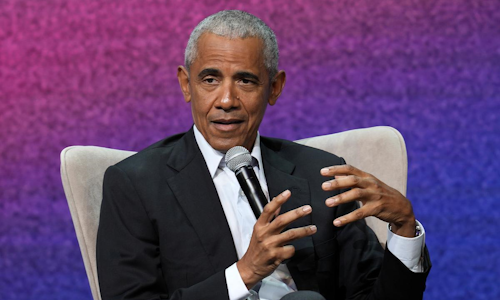
Defense Minister Rajnath Singh also reacted to the remarks on Monday, saying that India has never discriminated against people based on their religion.
“People should try to understand India’s secular character,” he said, adding that people commenting on India’s minority rights should “also think about how many Muslim countries they have attacked.”
10. Australian Court Dismisses Russia Bid To Stop Embassy Eviction – Al-Jazeera
Squatter saw leaving the site near Parliament House that the government has vetoed as a security risk.
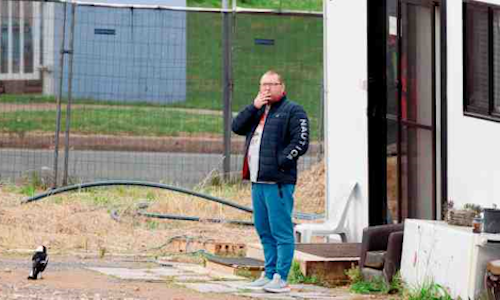
“The court has made clear that there is no legal basis for a Russian presence to continue on the site at this time,” Australian Prime Minister Anthony Albanese told reporters.
11. North Korea Claims U.S. Submarine Visit To South Korea Is A ‘Rehearsal’ For Further Deployment – UPI
The North Korean government has called a recent visit of the U.S. submarine Michigan to South Korea a “rehearsal” for the further deployment of nuclear submarines around the Korean peninsula.
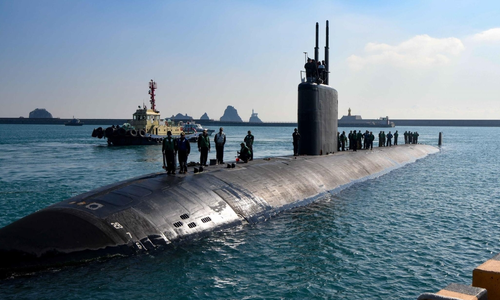
The visit of the USS Michigan to South Korea marked the first time in almost six years that an SSGN has stopped in the country and comes after Pyongyang fired two short-range ballistic missiles on Thursday evening.
12. Australia Plans Huge Fines If Big Tech Fails To Tackle Disinformation – Rfi
Tech giants could face billions of dollars in fines for failing to tackle disinformation under proposed Australian laws. The laws would bring “mandatory” standards to the little-regulated sector.

Under the proposed legislation, the owners of platforms like Facebook, Google, Twitter, TikTok, and podcasting services would face penalties worth up to five percent of annual global turnover – some of the highest proposed anywhere in the world.
We welcome readers’ letters via email.
Please email [email protected]
Republished with permission from TIPP Insights