While the big media might not be worried about the wave of antisemitism that emerged after Israel was attacked by Hamas on Oct. 7, average Americans are. A hefty majority now call antisemitism in the U.S. a “serious” problem, the latest I&I/TIPP Poll shows.
Following the recent disturbing outbreak of antisemitism across the country, ranging from an upsurge of antisemitic demonstrations on college campuses to a spate of ugly harassment incidents against individual Jewish Americans, a majority of Americans agree there’s a big problem.
In our latest national online poll, taken Nov. 29-Dec. 1 from among 1,464 registered voters, we asked the following question: “Generally speaking, how serious is the problem of anti-Semitism, or prejudice against Jewish people, in the U.S. today?”
The overwhelming response was not comforting for those who might have hoped that antisemitism was a relic of the past. Some 76% of all Americans called the problem either “very serious” (43%) or “somewhat serious” (33%). A mere 14% said it was either “not very serious” (10%) or “not serious at all” (4%).

Another 10% said they were “not sure.” The poll has a margin of error of +/-2.6 percentage points.
Differences among the three major political groupings in America – Democrats, Republicans and independents – were not great. The share of Democrats (83%) and Republicans (77%) responding that antisemitism was a “serious” problem in the U.S. were, statistically speaking, basically even.
Independents, at 67%, were the lowest of the 36 demographic groups regularly tracked by I&I/TIPP, but even that was still a strong majority. Plainly, average Americans are worried.
But this raises a question: Who do Americans think are the groups most afflicted with antisemitic ideas?
I&I/TIPP asked a follow-on question: “Generally speaking, how serious is the problem of anti-Semitism, or prejudice against Jewish people, among the following groups, in the U.S. today?” The choices were liberals, conservatives, young adults and universities.
Recall that, overall, 76% in the poll thought America overall suffered from antisemitism. None of the individual groups listed in the preceding paragraph get close to that level, though all are above 50%. They range from conservatives (51%) and liberals (54%) to young adults (61%) and universities (61%).
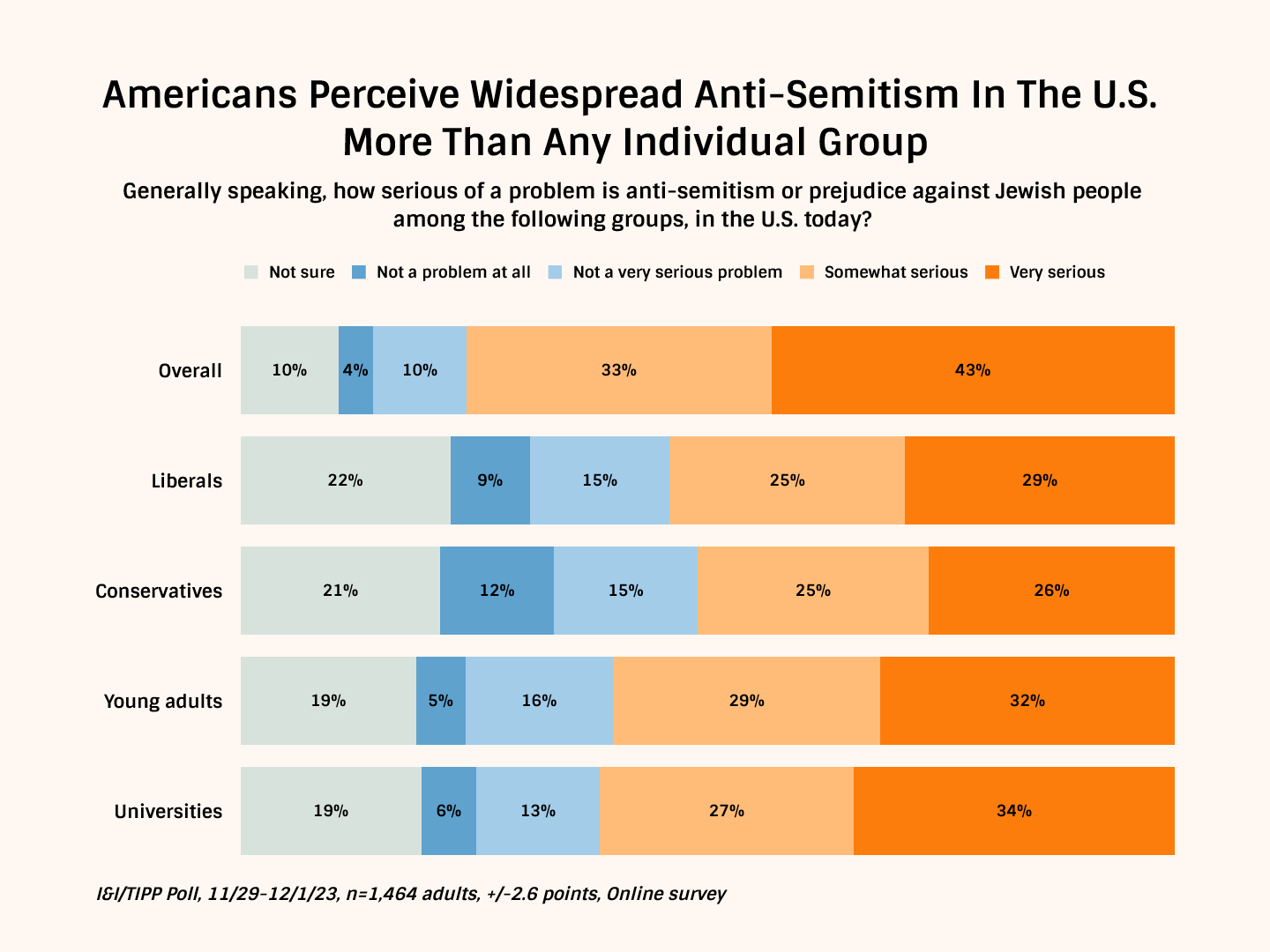
So while no one group gets the bulk of the blame, it’s pretty clear that the biggest problem is seen being among the young and universities.
This might not be so surprising, given recent news reports of young Americans’ attitudes and openly antisemitic demonstrations on college campuses.
But a closer look at the data shows that, in one regard, Democrats and Republicans are far apart: Democrats (65%) are most likely to finger conservatives as the main reason for antisemitism’s recent upsurge, while 51% also blame liberals. Meanwhile, 65% of Republicans fault liberals for antisemitism, but just 42% say conservatives.
As for independents, they pretty much evenly apportion the blame for “serious” antisemitism among liberals (46%) and conservatives (45%), and young adults (53%) and universities (54%).
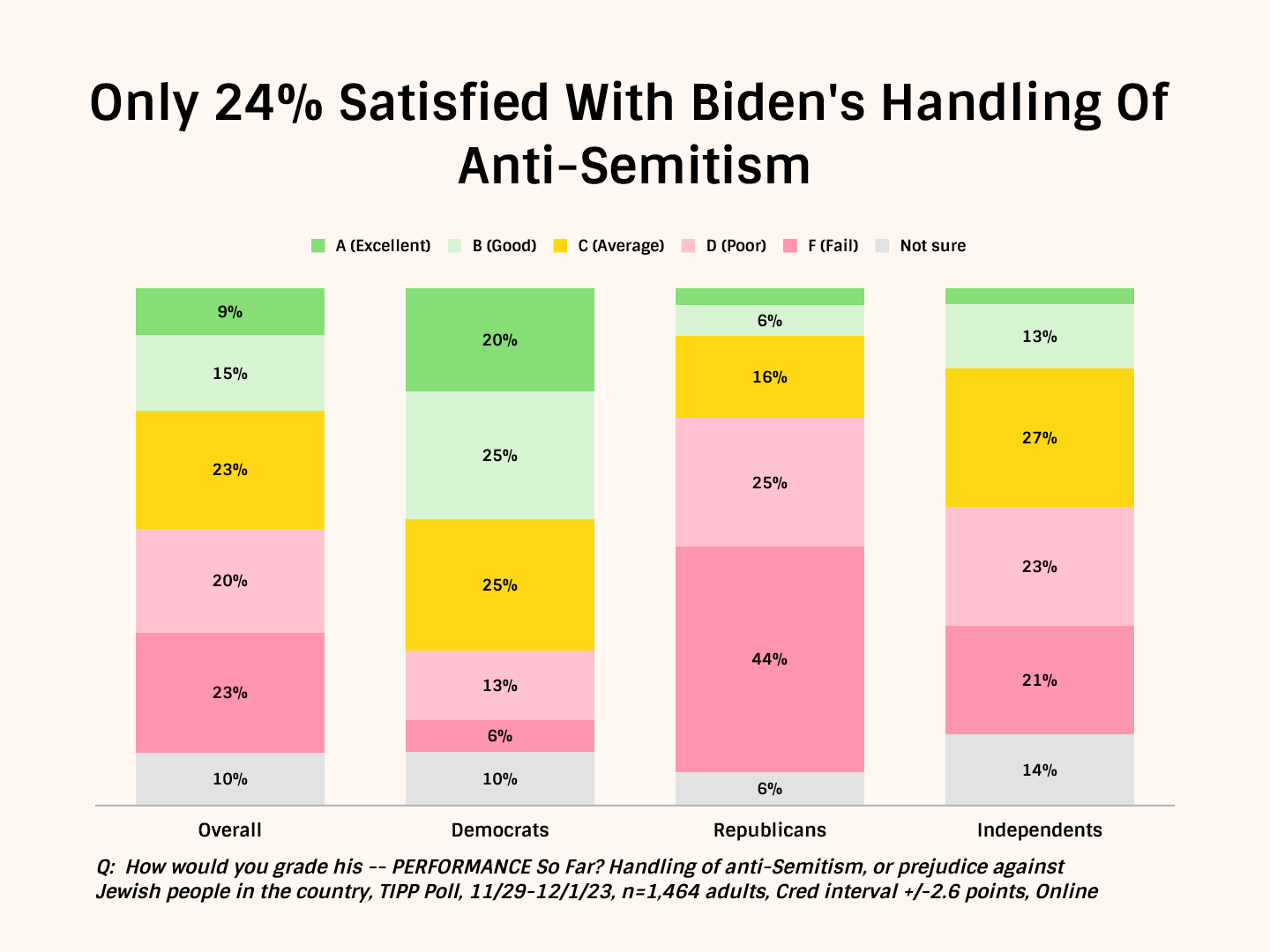
Given the seriousness that Americans assign to the recent antisemitism outbreak, I&I/TIPP asked the follow-on question: “How would you grade (Biden’s) handling of anti-Semitism, or prejudice against Jewish people in the country?”
Respondents were asked to assign a grade of A, B, C, D or F to Joe Biden’s efforts.
Once again, sharp partisan differences emerge. Overall, by nearly 2-to-1, Americans gave Biden failing grades (43% D or F) over passing grades (24% A or B). (Some 23% answered C, or average.)
But that masks the big difference by party affiliation. For instance, 45% of Democrats give Biden an A or a B, versus just 9% of Republicans and 16% of independents. On the other hand, only 20% of Democrats give Biden failing grades, versus 69% of Republicans and 44% of independents.
The Oct. 7 surprise terrorist attacks by Hamas against Israel unexpectedly seem to have revived an ugly strain of antisemitism, both here and abroad, that once seemed on its way to extinction. It’s back, and it’s real, especially among youths and on college campuses.
Stories of bigots tearing down posters of Israeli hostages, polls suggesting some Americans support the terrorist attacks, and throngs of young anti-Jewish, anti-Israel protestors equating Zionism with “terrorism” have brought back memories of the mid-20th century’s ugly outbreak of antisemitism, which culminated in the Nazi atrocities of the 1930s and World War II.
As recent polls show, if there’s any regret over the attacks among the Palestinians themselves, it’s not evident. A Reuters Poll just last week found that 72% of Palestinians now support Hamas’ terrorist attacks on Israel.
Biden’s response to the attacks has been deemed a failure, even by some in his own party. Foreign policy analysts on both sides say Biden’s decision to restore billions in aid to Iran and look the other way as it continues its nuclear weapons program has further destabilized the Mideast. There is no question of Iran’s involvement, both direct and indirect, in the Oct. 7 attacks.
Worse, critics say, are his attempts to kill off former President Donald Trump’s highly successful Mideast peace initiative, which brought Israel together with several of its Arab nation neighbors for the first time ever. Others have faulted his administration’s foreign policy hires, heavily weighted toward analysts and advisers favorable to Iran.
Meanwhile, his own administration’s underlings remain in open revolt over his tepid backing of Israel as it confronts yet another threat to its existence. They’ve made clear they’d like to see Hamas, not Israel, win this war.
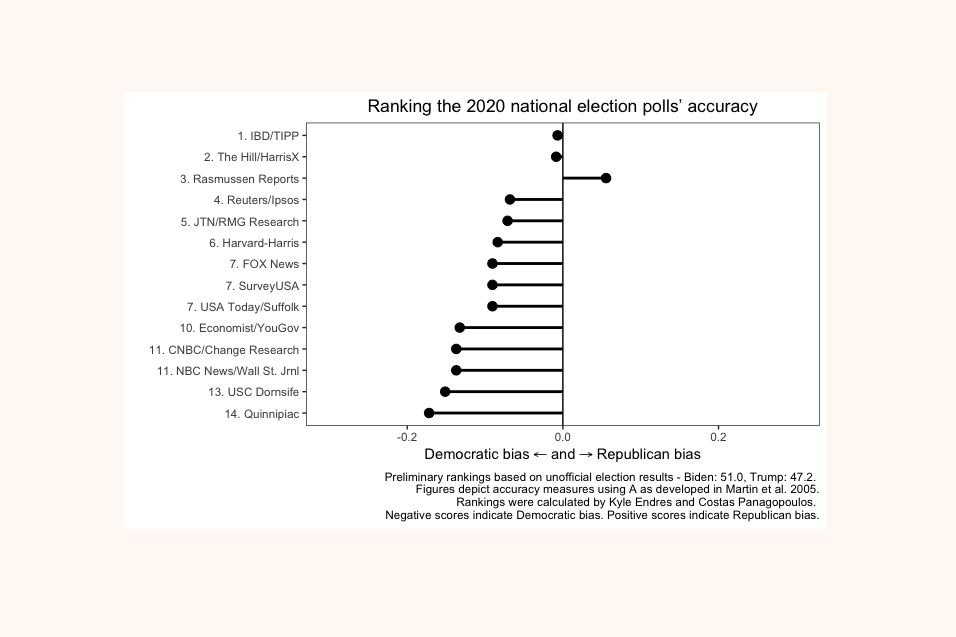
I&I/TIPP publishes timely, unique, and informative data each month on topics of public interest. TIPP’s reputation for polling excellence comes from being the most accurate pollster for the past five presidential elections.
Terry Jones is an editor of Issues & Insights. His four decades of journalism experience include serving as national issues editor, economics editor, and editorial page editor for Investor’s Business Daily.
Our performance in 2020 for accuracy as rated by Washington Post:
TIPP Takes
Geopolitics, Geoeconomics, And More
1. Further Talks Due At UN After Gaza Vote Delayed – BBC
Efforts to get a United Nations Security Council ceasefire motion are set to resume after Tuesday’s vote was delayed. Wrangles over wording delayed the UN Security Council’s vote yesterday on a draft resolution calling for a ceasefire in Gaza.
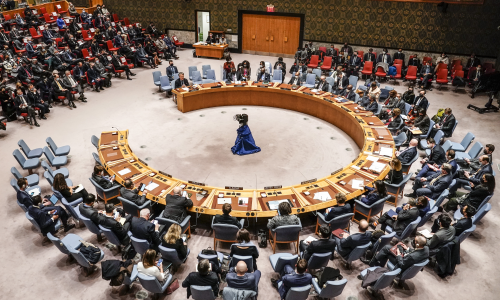
The vote may be held today instead. Negotiations had aimed to avoid another veto from Washington – which stymied the Council’s previous resolution calling for a ceasefire.
2. Gaza Hospital Director Admits Facility Converted Into Hamas Operational Base – WION
The Director of Gaza’s Kamal Adwan hospital, Ahmed Kahlot, has admitted during an interrogation by Israel’s internal security service, that the hospital was converted into a military facility by Hamas militant group.
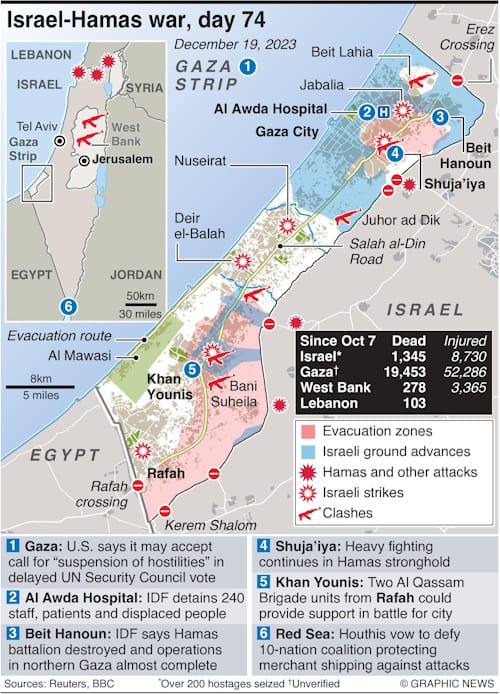
Kahlot, who claims to have been a lieutenant colonel in Hamas since 2010, revealed that the hospital housed Hamas offices, served as a base for operational activities, and even accommodated a kidnapped Israeli soldier at one point.
3. Hamas Chief To Hold Crucial Talks In Egypt For Gaza Ceasefire, Prisoner Exchange – AFP
Hamas chief Ismail Haniyeh is set to visit Egypt Wednesday for talks on a ceasefire in Gaza and a prisoner exchange with Israel, a source close to the Palestinian militant group said.
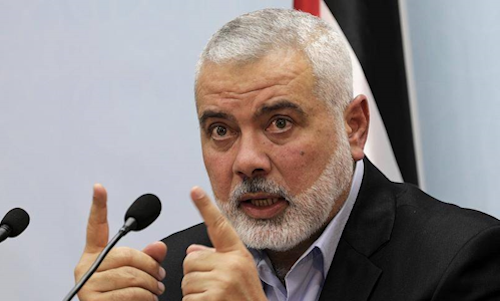
The discussions will be “on stopping the aggression and the war to prepare an agreement for the release of prisoners (and) the end of the siege imposed on the Gaza Strip,” the source said on condition of anonymity.
4. Gaza Crisis Is ‘Moral Failure’: ICRC Chief – Reuters
The head of the International Committee of the Red Cross (ICRC), Mirjana Spoljaric deplored the conflict in Gaza as a “moral failure” of the international community and urged Israel and Hamas to reach a new deal to halt the fighting.
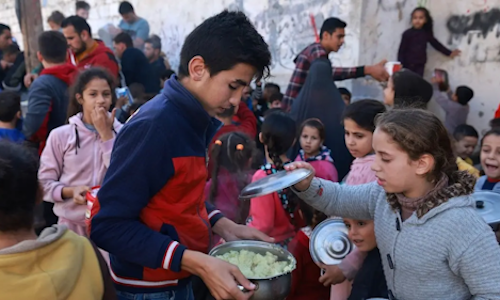
Although the ICRC facilitated the release of hostages during the week-long truce at the end of November, the group has been criticized by some Israelis for not doing more to have the hostages freed.
5. Russia Boosts Nuclear Forces Amid ‘Hybrid War’ With The West: Putin – Al Jazeera
Russian President Vladimir Putin has said that Moscow is upgrading its nuclear arsenal and keeping its strategic forces at the highest level of readiness as the West wages a “hybrid war” against it.
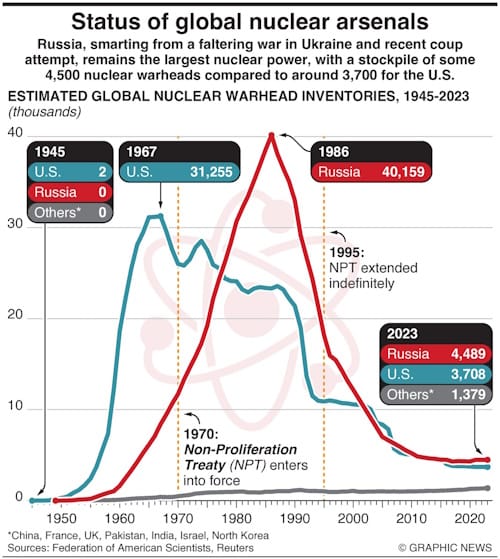
The Russian leader also accused the United States of exploiting Europe for its own interests. Russia would be prepared to talk to Ukraine, the U.S., and Europe about the future of Ukraine if they wanted to, but Moscow would defend its national interests, Putin said.
6. Ukraine Military Seeks Extra 500,000 Soldiers – President Zelensky – BBC
At a news conference in Kyiv, Ukraine President Volodymyr Zelensky said his commanders were seeking “450,000-500,000 individuals”, admitting this was a “sensitive” and costly issue.

His comments come in the wake of aid setbacks from the U.S. and the EU. The U.S. setback was followed by Hungary’s blocking of the EU’s $55bn financial aid deal last week. EU leaders, however, said Ukraine would not be left without support.
7. “No One Knows” When Russia-Ukraine War Will End: Zelensky – AFP
President Volodymyr Zelensky said that there was no end in sight to Russia’s invasion of Ukraine, as fatigue builds among Kyiv’s allies nearly two years into the war and the Kremlin voices growing confidence of victory.
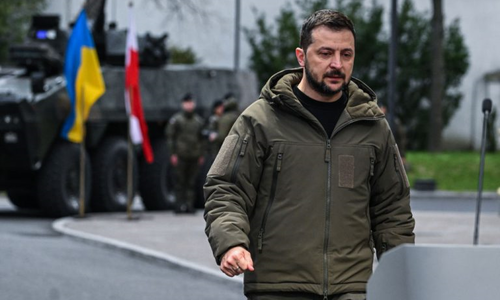
“No one knows the answer,” Zelensky told reporters in response to a question of whether the war with Russia could end next year. The question of how long Western countries will provide essential support for Kyiv has grown increasingly urgent.
8. Days After Zelensky’s Visit, U.S. Says No Aid To Ukraine Before Year’s End – AFP
The Democratic and Republican leaders of the U.S. Senate said that Washington will not be able to approve new aid for Ukraine before year’s end, as the two sides continue to seek a compromise.
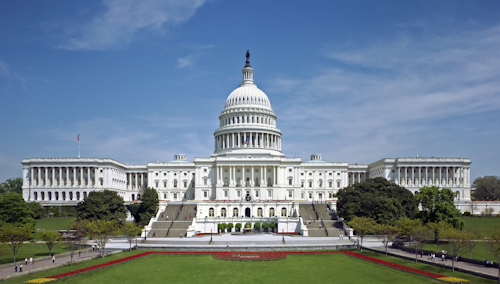
The announcement from Capitol Hill marked another setback for Ukrainian President Volodymyr Zelensky, whose government has warned of the “dire need” for weapons ahead of winter.
Zelensky remains hopeful, saying at a press conference that the United States “will not betray” his besieged nation.
9. ‘Growing China-Russia Military Ties Concerning’ – A.P.
The head of the United States Indo-Pacific Command, Adm. John C. Aquilino said he was “very concerned” about increased joint military actions by China and Russia in the region.

“I view it as far beyond the marriage of convenience at this point in time,” Aquilino said. Aquilino is meeting with Japanese defense officials ahead of the Keen Edge 24 joint exercise early next year.
10. U.S. Courts China To Join Anti-Houthi Naval Task Force – Al Arabiya
Operation Prosperity Guardian, the mutli-national maritime task force, was launched on Monday in response to “reckless Houthi attacks” from Yemen in the Red Sea.
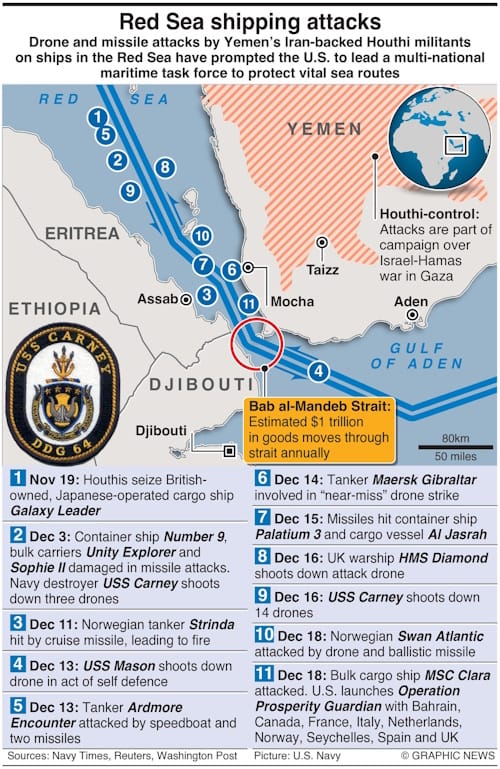
The U.S. had hoped to get Beijing on board with the hopes of the Chinese being able to exert pressure on Yemen’s Houthis to halt their attacks.
Asked about China’s participation, State Department Spokesman Matt Miller said Washington would welcome a constructive role played by Beijing to prevent Houthi attacks.
11. France Passes Controversial Immigration Bill – D.W.
With the new legislation, access to housing benefits will be delayed for unemployed non-EU migrants by five years. While now it will be easier for migrants working in sectors that lack labor to get a residency permit, it will also be easier to expel illegal migrants.
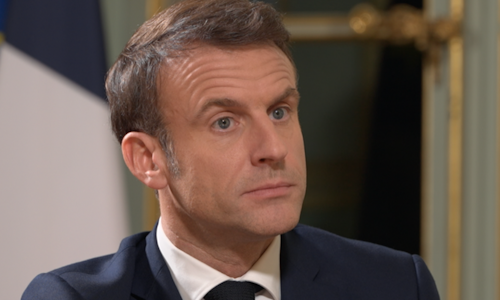
To make the legislation more agreeable for the right, the government decided to weaken measures that would have allowed some immigrants residency permits.
12. EU Election Monitor Slams Alleged Irregularities In Serbian Vote, Calls For Full Probe – RFE/RL
“We witnessed cases of organized bringing of voters from Republika Srpska and voters’ intimidation,” said Viola von Cramon, a member of the observation mission of the European Parliament for the snap parliamentary and local elections that Serbia held on December 17.
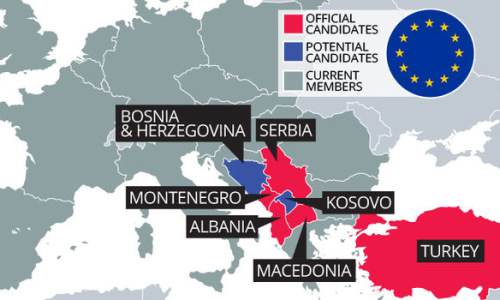
She called for an “international oversight and full investigation” into the allegations of irregularities in the Serbian vote both by international observers and the Serbian opposition. EU commissioners Josep Borrell and Oliver Varhely urged Serbia to significantly improve its electoral process.
13. U.S. Deploys Sanctions, Unseals Indictment Targeting Iran’s Drone Industry – UPI
The United States took aim at Tehran’s drone industry, deploying sanctions and unsealing an indictment that targeted a procurement network present in Iran, Malaysia, Hong Kong, and Indonesia.

The Biden administration said the international network is led by 38-year-old Iranian Hossein Hatefi Ardakani – an Iranian citizen accused of facilitating the procurement of U.S. and foreign-origin components for the aerospace research and development arm of the Islamic Revolutionary Guard Corps and its drone program.
14. North K. Leader Says ICBM Launch Shows What Option He Has If U.S. Makes Wrong Decision – Yonhap
North Korea confirmed it test-fired a Hwasong-18 solid-fuel intercontinental ballistic missile (ICBM) the previous day, with leader Kim Jong-un saying the launch showed what option he would take “when Washington makes a wrong decision.”
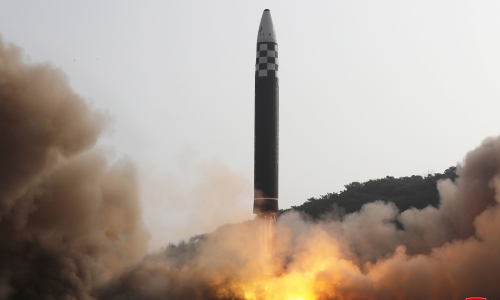
The missile launch was conducted to “take a powerful warning measure under the grave situation, in which the hostile forces’ anti-DPRK military threat … is getting evermore undisguised and dangerous,” the Korean Central News Agency (KCNA) said.
15. As Insect Numbers Decline, Flowers Are Devolving To Become Less Attractive – WION
Climate change is altering this relationship that enables the sustenance of the food chain as we know it and has also influenced literature and pop culture in immeasurable proportions.

According to a study published in the journal New Phytologist, flowers are now “giving up” on pollinators and evolving to be less attractive due to a decline in the number of insects.
“They are evolving towards self-pollination, where each plant reproduces with itself, which works in the short term but may well limit their capacity to adapt to future environmental changes,” one of the study’s authors said.
16. CDC Calls COVID-19 Variant JN.1 ‘Fastest-Growing’ Strain In U.S. – UPI Health
JN.1 accounts for about 21% of all new COVID-19 infections and is already dominant in the Northeast, where it accounts for an estimated 32% of new cases.
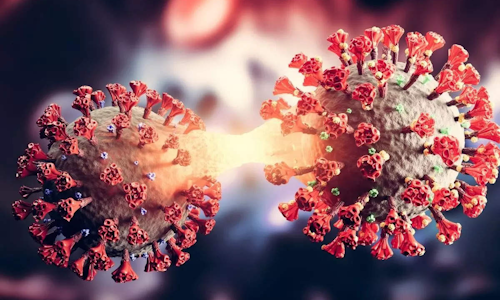
The symptoms of JN.1 are similar to other COVID-19 variants and subvariants, which include cough, sore throat, congestion, runny nose, sneezing, fatigue, headache, muscle aches and altered sense of smell.
The CDC and the AMA both recommend the best protection is to remain up-to-date with COVID-19 vaccinations, wear a medical-grade face mask in crowded spaces and practice good handwashing.
Please email [email protected]
Republished with permission from TIPP Insights