President Joe Biden has a tenuous lead over lawfare-challenged former President Donald Trump, but continues to show weakness among key voting groups that he needs to win a second term in office, the latest numbers from the May I&I/TIPP Poll show.
The national online I&I/TIPP Poll, taken from May 3-5, included 1,264 responses to a number of questions about the upcoming 2024 presidential election. The poll’s margin of error is +/-2.8 percentage points.
Our main question was to ask registered voters about a straight, head-to-head matchup between Biden and Trump. More specifically, voters were asked to choose among Biden, Trump, “not sure” “other” and “prefer not to answer” as possible responses.
In this matchup, Biden comes out ahead 42% to Trump 40%, but remember the margin of error is greater than that, so statistically it remains a tossup. Among other answers, 10% chose “other” over either of the main candidates, while 7% said the weren’t sure.
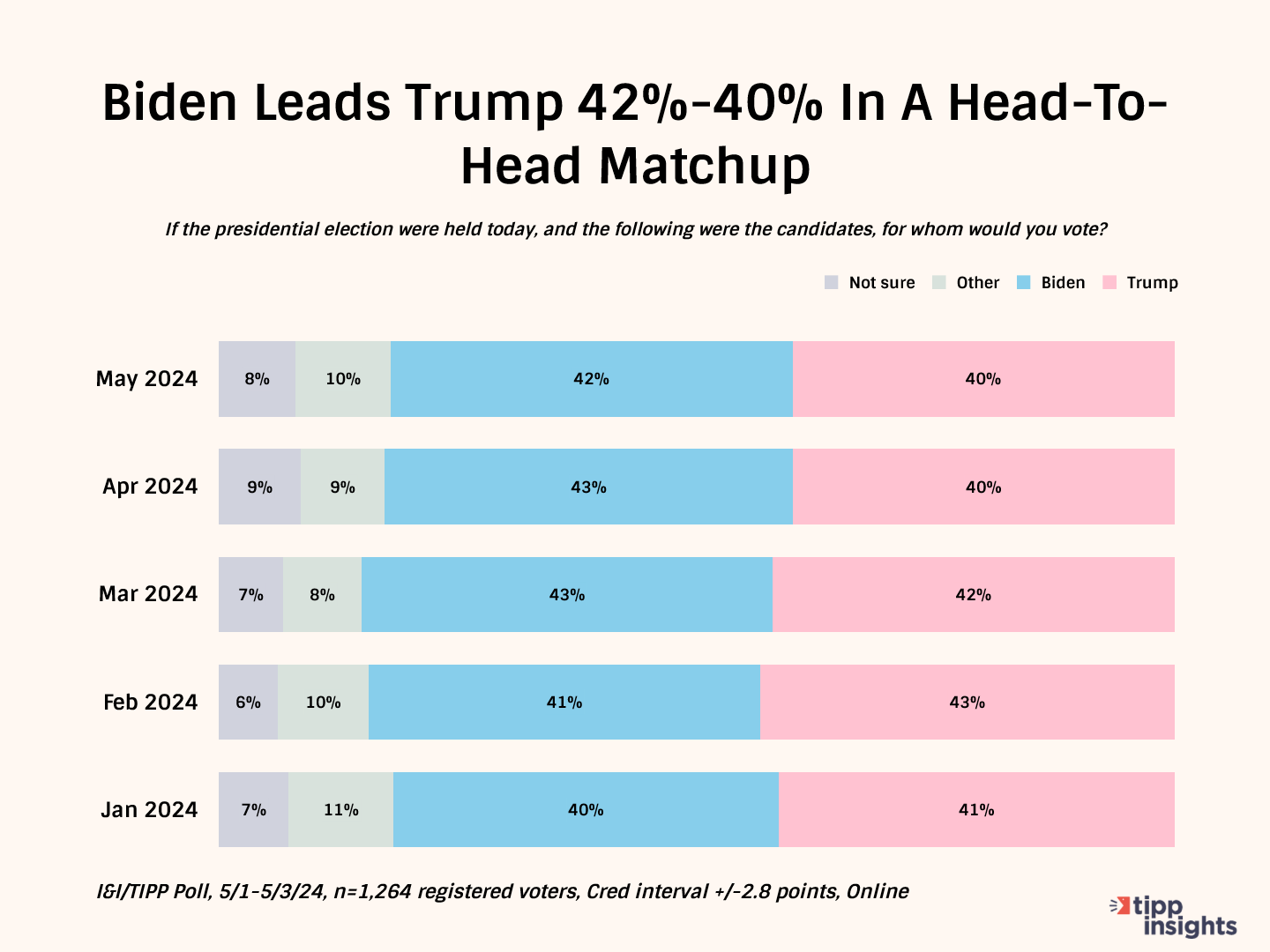
Biden’s strength is based on solid 86% support from his base Democratic Party backers, while Trump sees identical support from among Republicans. But Democrats generally see slightly higher turnout than Republicans, so Biden gets the edge.
A second comparison includes Biden, Trump and the three main third-party or independent candidates, including independent lawyer-activist Robert F. Kennedy Jr., university professor and activist Cornel West, and Green Party standard-bearer Jill Stein.
As expected, adding the others into the mix alters the results somewhat. Biden takes 39% of the vote, while Trump takes 38% of the vote, a virtual dead-heat given the margin of error.
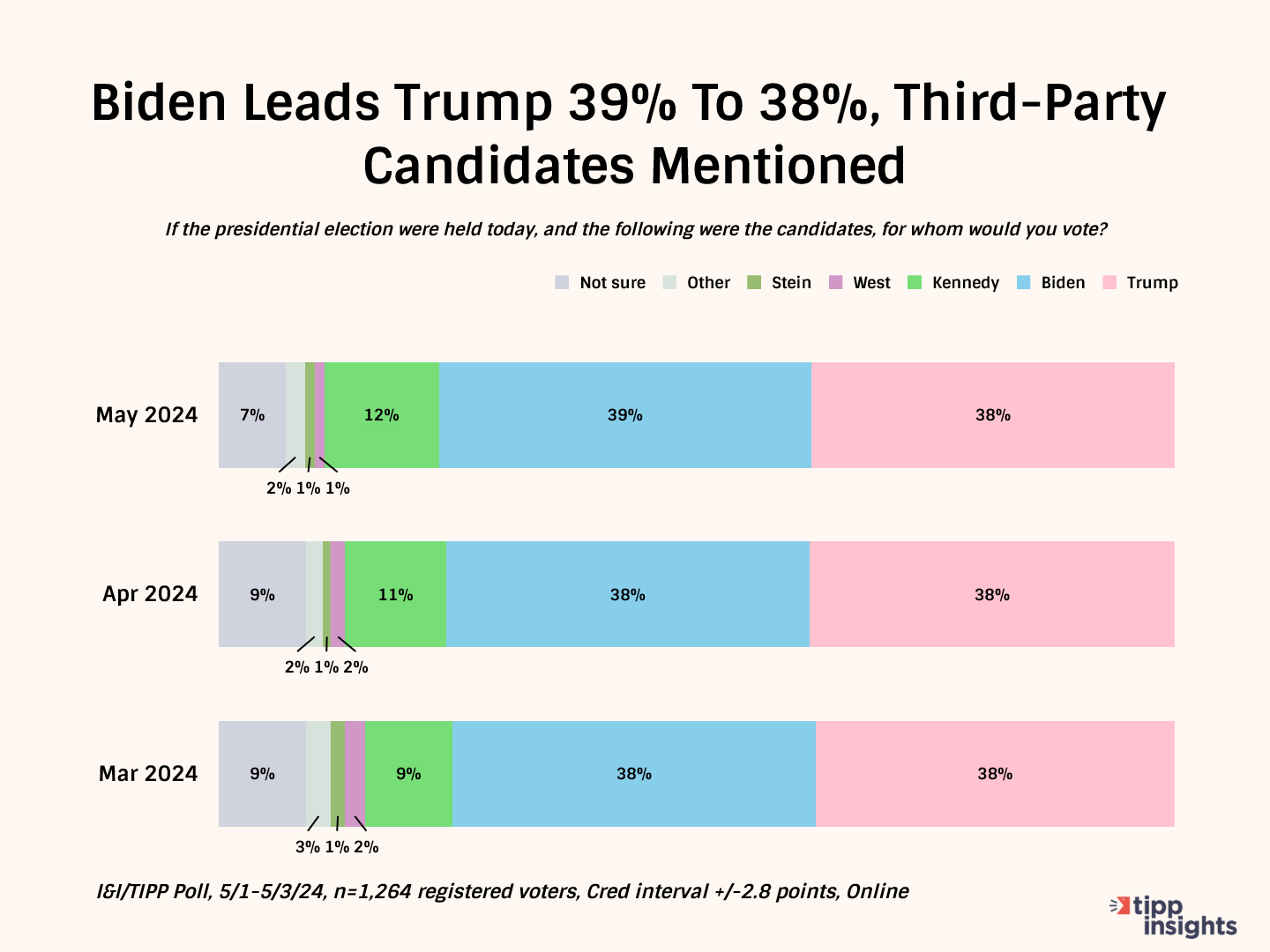
But Kennedy gets 12% of the overall vote, taking from both Biden and Trump. West and Stein, with 1% each, have little if any impact. Kennedy attracts 9% of Democrats and 7% of Republicans, but an even-larger 18% slice of the independents.
As noted, while the overall appears close, there are some mitigating factors.
Start with this: At over 40% of the potential total vote, those who declare themselves “Independents” are the swing vote in close elections. This could spell trouble for Biden, more than Trump.
In the head-to-head poll, Trump wins 35% of independents’ support, compared to just 30% for Biden and 21% for “other.” Add in the third-party candidates, and Trump beats Biden 33% to 25%, with 18% (as mentioned above) picking RFK Jr. as their favorite.
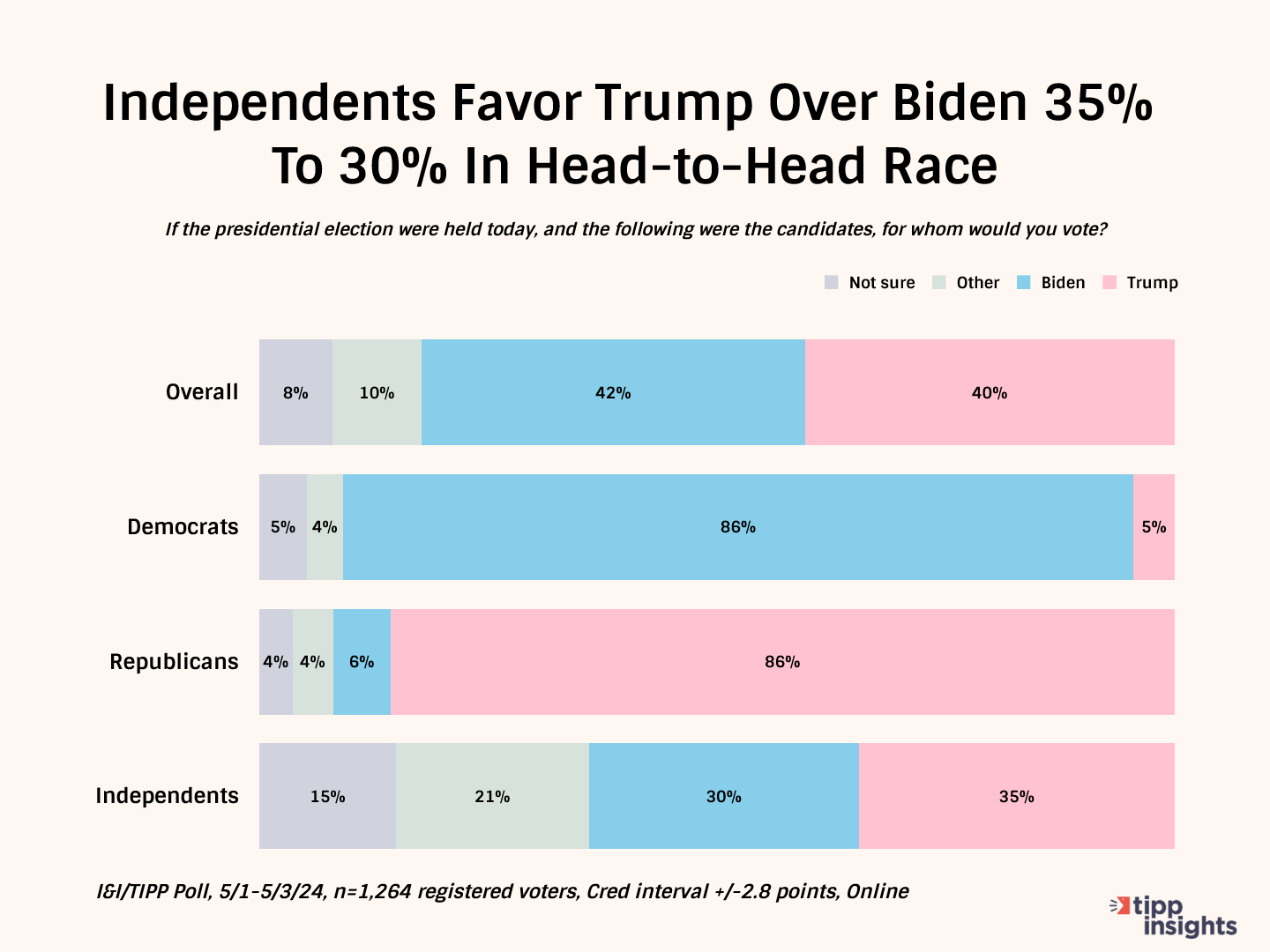
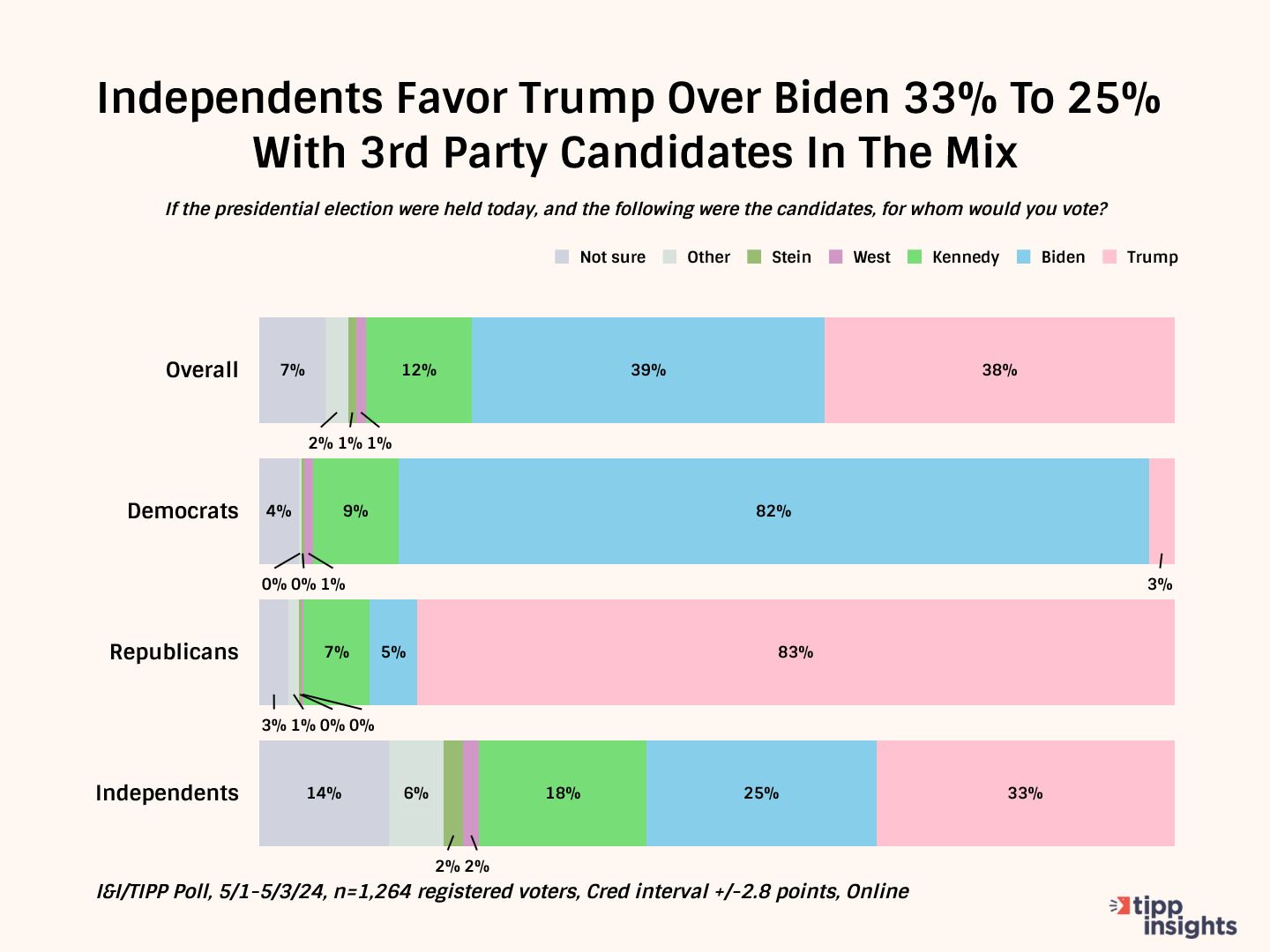
Why is this important? Independents in the last election favored Biden 54% to Trump’s 41%. That has, for all intents and purposes been reversed this time around, as the I&I/TIPP data demonstrate.
Trump has also made significant inroads among key traditional Democratic constituencies.
African-Americans, for instance, gave 87% of their vote to Biden in 2020, compared to just 12% for Trump. But that’s changed dramatically in 2024: Black voters say they favor Biden by 59%, a 28% decline from four years ago, while 15% say they back Trump, a three percentage-point gain. All told, it’s a 31-point swing.
Among Hispanics, Biden slammed Trump in 2020, 65% to 32%. In this month’s I&I/TIPP Poll, Hispanics give just 47% support to Biden, 26% to Trump, and 13% to Kennedy.
This month, the I&I/TIPP Poll also asked a number of questions that attempt to gain a better idea of how people see this election turning out.
In one of those questions, we asked partisans of Trump, Biden and Kennedy, “Do you support (candidate’s name) strongly or moderately?”
Again, the answers are revealing for the depth of support each has. For Biden, 54% said they support him “strongly,” while 43% backed him “moderately.”
For Trump? Of those responding, 64% described their Trump support as strong, but just 34% termed it moderate.
Kennedy did worse. Just 38% of his backers called their support strong, as 53% said it was moderate.
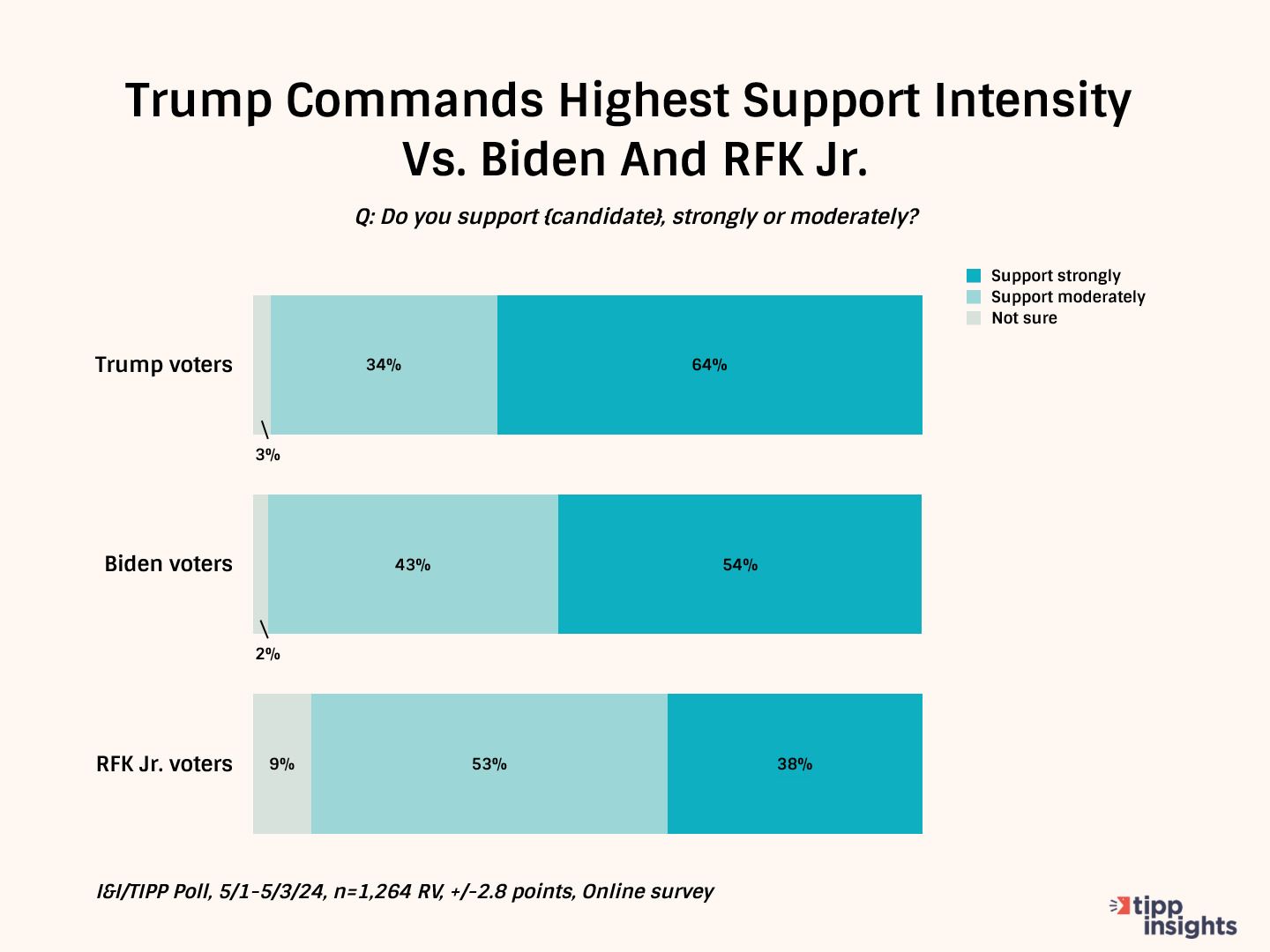
So Trump appears to have stronger intensity of his base support than either of his two rivals. That, possibly, could give Trump a solid edge in last-minute “get-out-the-vote” efforts in the closing weeks of the campaign.
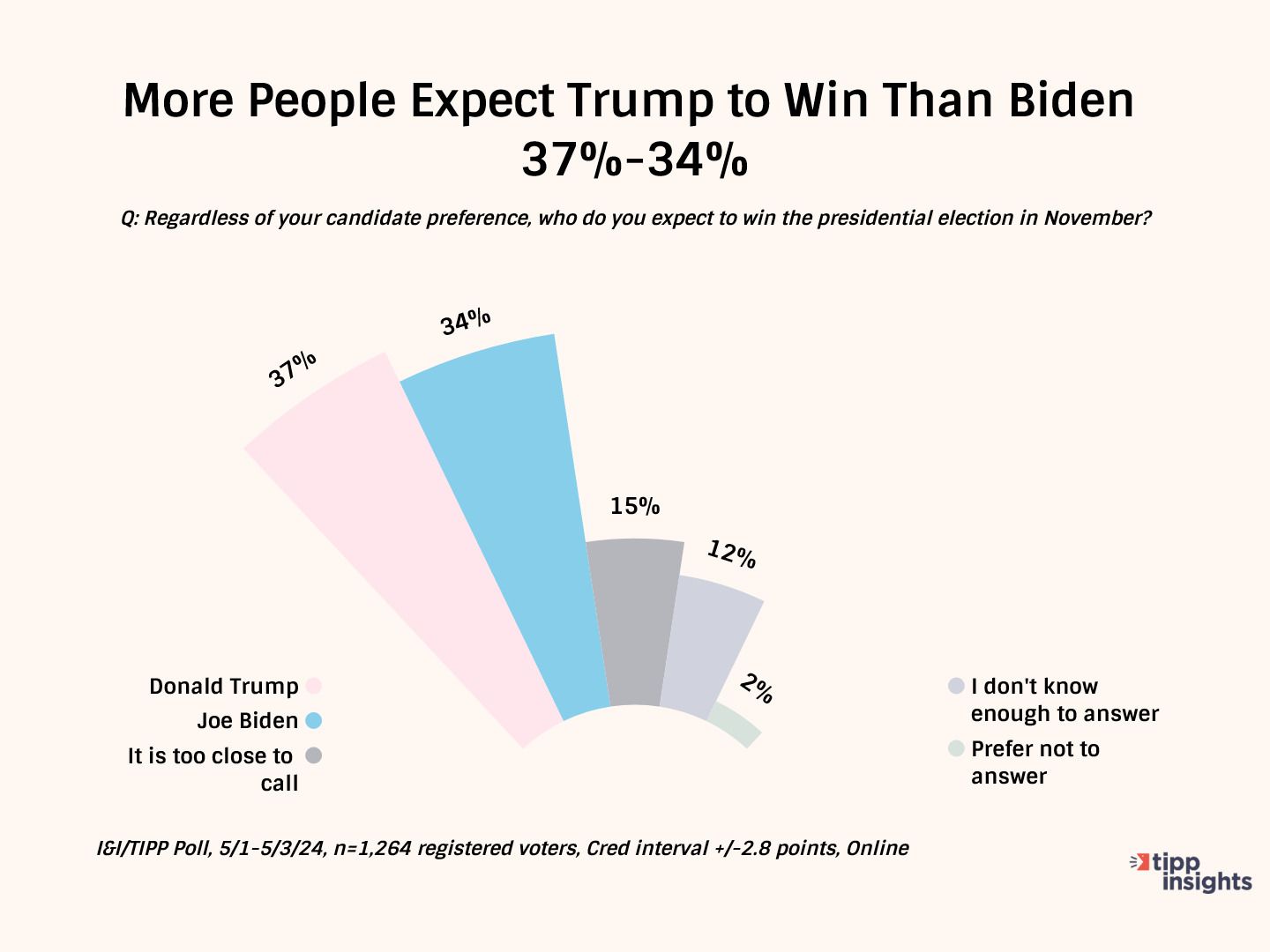
Further digging, the poll asked all respondents who they expected to win in November.
The answer: 37% predicted Trump, 34% Biden. Another 15% described the election as “too close to call,” while 12% said they “don’t know enough to answer one way or the other.”
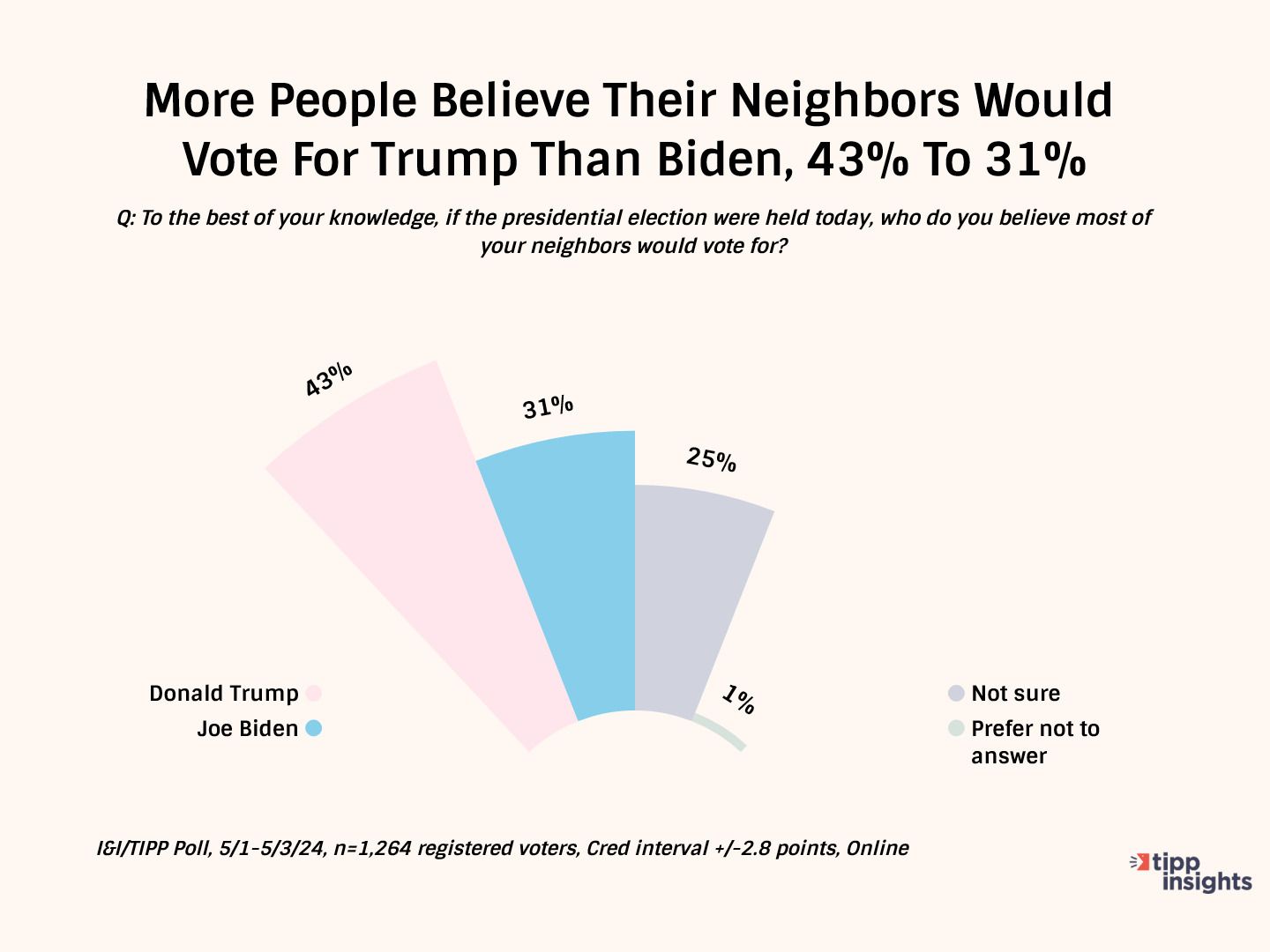
Another question, intended to help discover how people really feel about the candidates, is to ask them “if the election were held today, who do you believe most of your neighbors would vote for?”
The answer is revealing: 43% responded Trump, while just 31% said Biden. Another 25% said “not sure.”
What does it all mean? That Biden and third-party candidates appear to have an “enthusiasm gap” with Trump.
In an election marred by charges of “lawfare” against former President Trump, with a majority saying he can’t get a fair trial, the sudden emergence of the “Gaza problem” after what many believe has been Biden’s diplomatic ineptitude and lack of support for Israel, a growing third-party insurgency by RFK Jr., and the possible defection of key Democratic voting blocs, including minorities, organized labor, working-class voters, and even Catholics, Biden and the Democrats cannot rest easy.
I&I/TIPP data indicate that even voters who support Biden show a lack of enthusiasm, while most registered voters now expect Trump to win, significant since recent studies indicate such expectations have a high likelihood of becoming reality.
“55% of the public now considers the Trump presidency a success, and 44% look at it as a failure,” wrote Rich Lowry in the New York Post. “Biden, in contrast, is upside down. Only 39% say his presidency has been a success, while 61% say it’s been a failure.”
“With about six months remaining before Election Day, Biden stands in a weaker position than any prior incumbent,” the recent Gallup Poll noted. No doubt, those leading Biden’s re-election bid have noted the same thing.
I&I/TIPP publishes timely, unique, and informative data each month on topics of public interest. TIPP’s reputation for polling excellence comes from being the most accurate pollster for the past five presidential elections.
Terry Jones is an editor of Issues & Insights. His four decades of journalism experience include serving as national issues editor, economics editor, and editorial page editor for Investor’s Business Daily.
Want to dig deeper? Download crosstabs from our store for a fee!
Our performance in 2020 for accuracy as rated by Washington Post:

TIPP Takes
Geopolitics, Geoeconomics, And More
1. Israeli Strikes On Rafah Kill 19 Palestinians, Gaza Health Officials Say – Al Arabiya
An Israeli strike targeting a house in Rafah in Southern Gaza killed nine Palestinians, Gaza health officials said, bringing the Israeli strike death toll to 19.
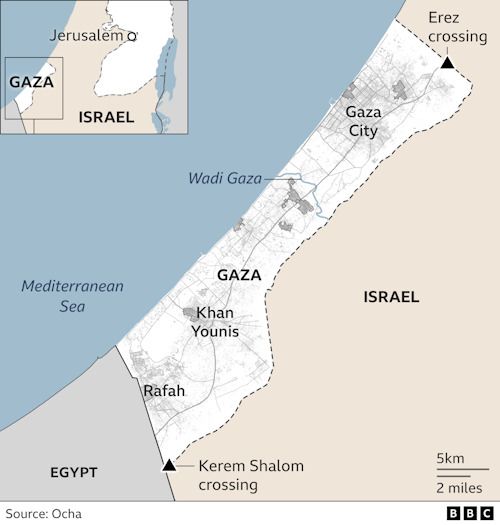
The attack came shortly after Hamas’s armed wing claimed responsibility on Sunday for an attack on the Kerem Shalom crossing into Gaza that Israel said killed three of its soldiers.
The Israeli military confirmed the counter-strike, saying it struck the launcher from which the Hamas projectiles were fired, as well as a nearby “military structure.”
2. Hamas Chief Haniyeh, Netanyahu Trade Blame As Hopes For Ceasefire Appear Slim – Reuters
Prospects for a Gaza ceasefire appeared slim as Hamas reiterated its demand for an end to the war in exchange for the freeing of hostages, and Israeli Prime Minister Benjamin Netanyahu flatly ruled that out.
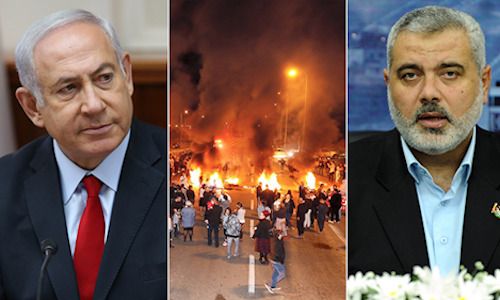
The two sides blamed each other for the impasse, and the Hamas delegation said it would leave Cairo truce talks on Sunday night to consult with its leadership. However, two Egyptian security sources said the Hamas officials planned to return to the Egyptian capital on Tuesday.
3. Netanyahu Insists On Not Ending Gaza War, Says Doing So Would Keep Hamas In Power – Reuters
Prime Minister Benjamin Netanyahu hardened his rejection of Hamas’s demands for an end to the Gaza war, saying that would keep the Palestinian militant group in power and pose a threat to Israel.
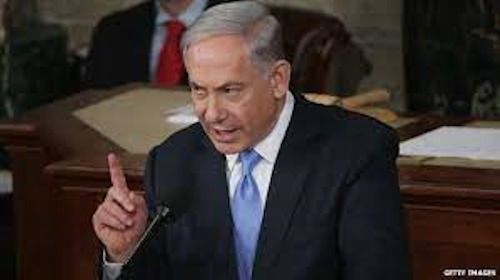
“But while Israel has shown willingness, Hamas remains entrenched in its extreme positions, first among them the demand to remove all our forces from the Gaza Strip, end the war, and leave Hamas in power,” Netanyahu said. “Israel cannot accept that.”
4. UN Agency Chief Stopped From Entering Gaza Again – AFP
Philippe Lazzarini, the head of the UN agency for Palestinian refugees, UNRWA, said that Israeli authorities had barred him from entering Gaza for a second time since the Israel-Hamas war started on October 7.

“The Israeli authorities continue to deny humanitarian access to the United Nations,” he said. “Only in the past two weeks, we have recorded ten incidents involving shooting at convoys, arrests of UN staff including bullying, stripping them naked, threats with arms & long delays at checkpoints forcing convoys to move during the dark or abort,” Lazzarini said.
5. Al Jazeera Office Raided As Israel Takes Channel Off Air – BBC
Israel’s government has moved to shut down the operations of the Al Jazeera television network in the country, branding it a mouthpiece for Hamas.

Prime Minister Benjamin Netanyahu said the cabinet agreed to the closure while the war in Gaza is ongoing. Police raided the Qatari broadcaster’s office at the Ambassador Hotel in Jerusalem on Sunday.
Al Jazeera called claims it was a threat to Israeli security a “dangerous and ridiculous lie.” The channel said it reserved the right to “pursue every legal step.”
6. Islamic Cooperation Denounces Gaza ‘Genocide,’ Urges Sanctions Against Israel – AFP
The Organization of Islamic Cooperation (OIC) denounced a “genocide” in Gaza, urging its 57 member countries to impose sanctions on Israel in a resolution adopted at the end of its Gambia summit.
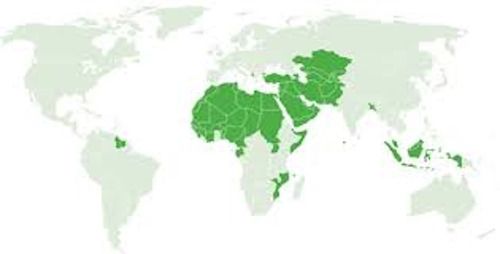
Founded in 1969 after the burning of the al-Aqsa mosque in Jerusalem, the OIC aims to increase Muslim solidarity, support the Palestinian struggle, and defend Muslim holy sites.
7. Russia Claims Control Over Eastern Ukrainian Town – RFE/RL
Russian forces say they have claimed control over an eastern Ukrainian town, Ocheretyne, whose defenses they had broken through about two weeks ago.
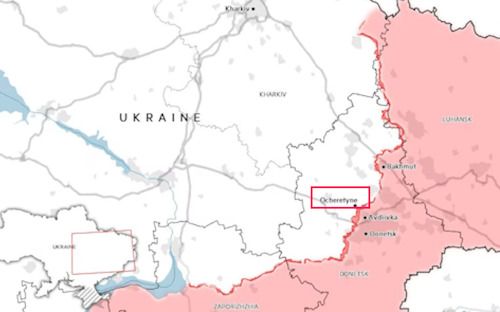
Kyiv had no immediate comment about Russia’s claim. If confirmed, however, it would be the latest in a series of battlefield setbacks for Ukrainian forces, who have struggled to hold back a Russian offensive while also grappling with shortages of men and ammunition.
8. Cubans Lured To Russian Army By High Pay And Passports – BBC
Russia has likely been recruiting Cuban nationals to fight in its army in Ukraine, research by the BBC has shown.

In September and October 2023, passport details belonging to over 200 Cubans who allegedly joined the Russian army were leaked online by a pro-Ukrainian platform called InformNapalm.
The passport details were obtained, the site said, by hacking the emails of a Russian military recruitment officer in Tula, south of Moscow.
9. Russia Inches Toward Marriage Of Convenience With Taliban In Terror Fight – RFE/RL
Since a deadly terrorist attack claimed by the Islamic State (IS) extremist group near Moscow in March, Russia has increasingly talked up its relationship with the Taliban, which is battling the Islamic State-Khorasan (IS-K) offshoot in Afghanistan that is believed to have carried out the attack.
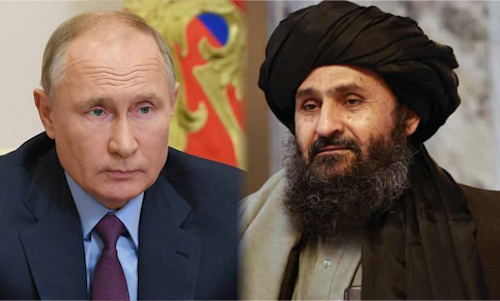
Considering the importance Russia places on Afghanistan in maintaining regional security in the face of a rising IS-K threat, boosting engagement with the Taliban holds benefits for Moscow, observers say.
10. China’s Xi Visits Europe: A Divide-And-Charm Offensive? – D.W.
Xi Jinping is visiting the European Union for the first time in five years. In France, the Chinese leader will face more pressure to influence Moscow. But a friendlier welcome awaits in Serbia and Hungary.
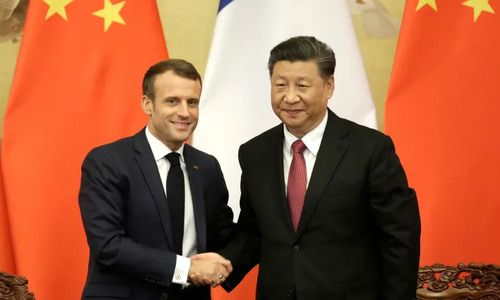
The French government source said Macron would “encourage China” to “contribute to a resolution of the conflict.” But Paris’s push may fall on deaf ears. Xi agreed to call Ukraine’s president after Macron visited China last year, but little resulted.
11. Orbán Challenger In Hungary Mobilises Thousands At Demonstration – Euronews
Péter Magyar, a rising challenger to Hungarian Prime Minister Viktor Orbán, held what he called the largest countryside political demonstration in the country’s recent history on Sunday.

Magyar, a former insider within Hungary’s ruling Fidesz party, has since February denounced the nationalist Orbán as running an entrenched “mafia state” and declared war on what he calls a propaganda machine run by the government.
12. North Korea Slams U.S., Other Countries For Seeking Alternative To U.N. Sanctions Monitoring Panel – Yonhap
North Korean Ambassador to the U.N. Kim Song issued a statement condemning Seoul, Washington, Tokyo, and 47 other countries for jointly calling for “objective” and “independent” analysis regarding the enforcement of anti-North Korea sanctions.
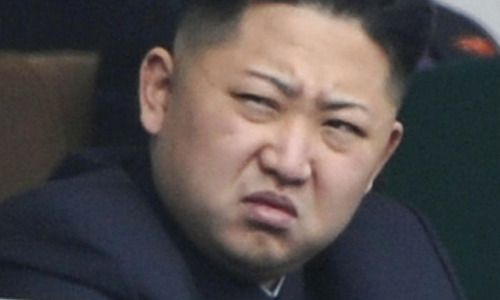
The mandate of the panel of experts ended last month due to Russia’s veto on its renewal.
13. Chad Presidential Vote Set To End Military Rule – BBC
With Monday’s presidential vote, Chad will become the first of Africa’s current junta-led states to move to democratic rule.
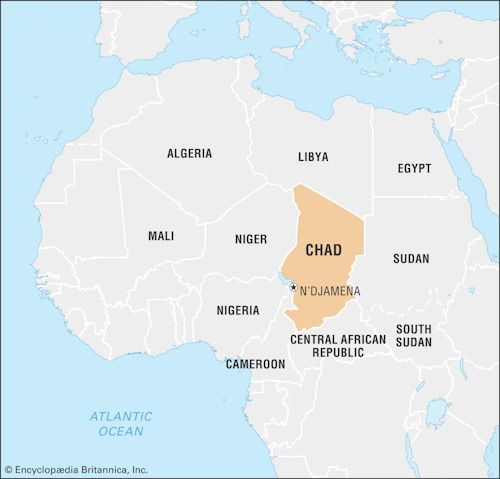
It will end a three-year transition imposed after the sudden death of long-serving leader Idriss Deby Itno while fighting rebels. However, as his son and successor, Gen Mahamat Déby, is one of the favorites to win, there is some skepticism about whether this will bring about change.
Prime Minister Succès Masra is among his nine challengers and is seen as his biggest rival.
14. World Wasted 20% Of Food Produced In 2022: U.N. Report – Kyodo News
Of the 1.05 billion tons of food waste, around 60 percent came from households. In contrast, according to the U.N. Environment Program’s Food Waste Index Report, the food service and retail sectors were responsible for about 28 percent and 12 percent, respectively.

It said that on average, each person discards 79 kilograms of food annually, equal to 1.3 meals per day for people impacted by hunger, and an estimated 29.6 percent of the global population faces food insecurity.
15. Higher Dose Of Smoking Cessation Medication May Improve Results – HealthDay News
Patients are more likely to successfully quit if the dose of their smoking cessation treatment is increased in response to an initial failure, researchers report in the Journal of the American Medical Association.

They also found that the drug varenicline (Chantix) is more effective than nicotine replacement therapy in helping smokers quit.
Smokers taking varenicline who failed to quit in the clinical trial’s first phase were seven times more likely to quit by the end of the second phase if their dosage was increased, researchers found.
Republished with permission from TIPP Insights