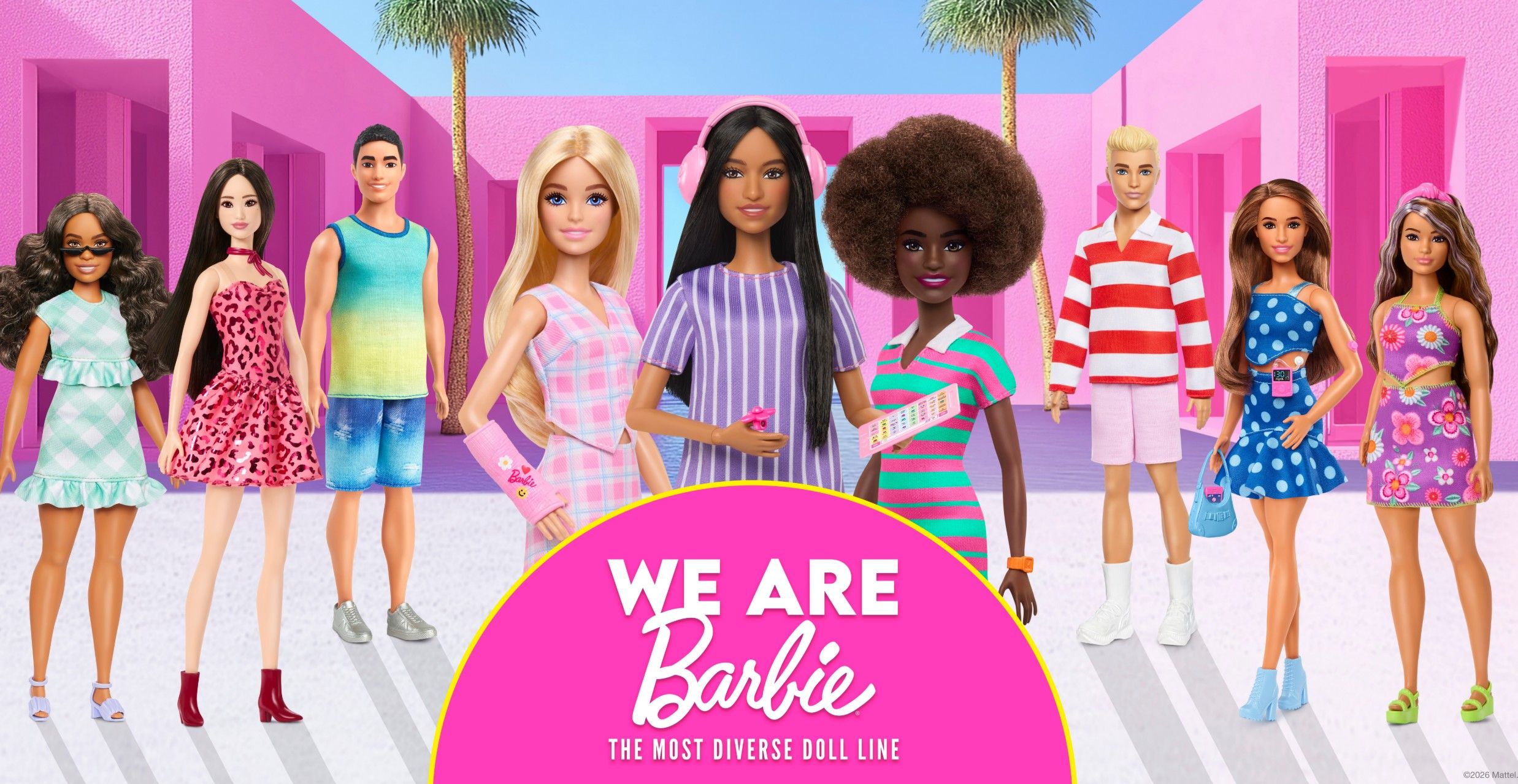
Mattel is once again shaking up the toy aisle — this time with the debut of its first-ever autistic Barbie, a doll designed to mirror how some people on the autism spectrum move, communicate, and experience the world.
The new Barbie didn’t happen overnight. Mattel spent more than 18 months working closely with the Autistic Self Advocacy Network (ASAN), a nonprofit known for pushing authentic representation and disability rights. The goal, according to the company, was not to create a one-size-fits-all symbol of autism, but a thoughtful reflection of real-life experiences that many autistic people recognize.
“Barbie has always strived to reflect the world kids see and the possibilities they imagine, and we’re proud to introduce our first autistic Barbie as part of that ongoing work,” Jamie Cygielman, Mattel’s global head of dolls, said in a statement.
The design team collaborated extensively with ASAN to ensure the doll’s features were grounded in lived experience rather than stereotypes. The result is a Barbie packed with details meant to resonate — from body movement to communication tools.
The doll has articulated elbows and wrists, allowing poses that mimic behaviors such as hand flapping and other gestures commonly used for self-expression or sensory regulation. Her eyes are sculpted with a slightly averted gaze, reflecting the fact that some autistic individuals are uncomfortable with direct eye contact.
Accessories are a major part of the story. Barbie comes with a pink finger-clip fidget spinner that actually spins, pink noise-canceling headphones meant to reduce sensory overload, and a pink tablet displaying symbol-based Augmentative and Alternative Communication (AAC) apps, a tool widely used by non-speaking or minimally speaking individuals.
The outfit also breaks from traditional fashion-doll norms. The Barbie wears a loose-fitting purple pinstripe A-line dress with short sleeves and a flowy skirt, designed to reduce fabric-to-skin irritation. Flat purple shoes are included to emphasize comfort, balance, and ease of movement rather than style alone.
“Autism doesn’t look any one way,” Noor Pervez, the ASAN community engagement manager who worked closely with Mattel on the Barbie prototype, told The Associated Press. “But we can try and show some of the ways that autism expresses itself.”
Priced at a suggested retail cost of $11.87, the autistic Barbie joins a growing lineup of dolls aimed at reflecting real-world diversity. In recent years, Mattel has introduced a blind Barbie, a Barbie with Down syndrome, and a Barbie with Type 1 diabetes, signaling a long-term shift away from the brand’s once-narrow image of perfection.
Advocates say representation in toys matters, especially for children who rarely see themselves reflected in mainstream products. For Mattel, the autistic Barbie is both a commercial release and a cultural statement.