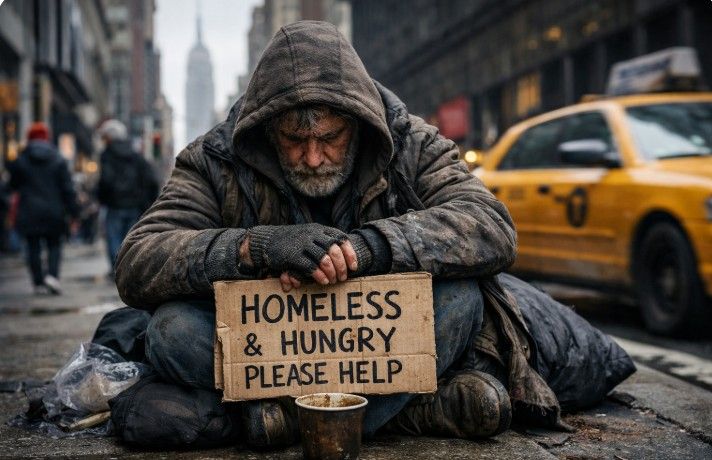
New York taxpayers shelled out an eye-popping $81,000 per homeless person living on city streets last year, according to a newly released report from the state comptroller — a staggering total that added up to roughly $368 million in spending.
The findings raise serious questions about the effectiveness of the city’s rapidly expanding homelessness bureaucracy, which has seen spending skyrocket while the number of people living on the streets continues to climb.
The report shows that spending by the city’s Department of Homeless Services (DHS) Street Homeless Solutions division has more than tripled in just six years.
Back in 2019, the city allocated about $102 million to address homelessness among those living on the streets. Today, that figure has ballooned to hundreds of millions of dollars.
At the time, New York City was spending around $28,000 per unsheltered homeless individual, the report released Wednesday found.
“Unsheltered” homeless people are defined as those regularly living outdoors — on sidewalks, in parks, or in makeshift camps — rather than individuals staying in the city’s shelter system or longer-term housing programs.
Despite the flood of taxpayer cash, the number of people sleeping outside has continued to grow.
According to the comptroller’s analysis, the unsheltered population increased by 26 percent during the same period.
-
In fiscal year 2019, the city recorded 3,588 people living on the streets.
-
By fiscal year 2025, that number had climbed to 4,505 individuals.
Meanwhile, the cost per person has nearly tripled compared with pre-pandemic levels, highlighting how dramatically the city’s homelessness programs have expanded.
State Comptroller Thomas P. DiNapoli acknowledged the troubling trend in the report.
“The number of people living on the street in New York City has continued to grow, even as the city has been effective at providing shelter for the majority of the homeless population.”
He also urged officials to examine whether the massive spending increases are actually delivering results.
“The escalation in spending driven by the increase in the unsheltered population, however, merits greater focus on where resources are going and what services are working.”
DiNapoli added:
“Street homelessness is a chronic problem that requires collaborative efforts to help bring vulnerable New Yorkers into shelter and out of the cold.”
The price tag may only get worse.
According to the comptroller’s projections, city spending on services aimed at unsheltered homeless people could reach about $456 million by fiscal year 2026.
A large portion of the new spending has been directed toward so-called “low-barrier beds.” These are overnight shelter spaces designed with minimal restrictions in an effort to attract individuals who are reluctant to enter traditional shelters.
Critics, however, say the approach reflects a broader trend of government programs expanding in cost without clear evidence they are solving the underlying problem.
The street homelessness issue is only one piece of a much larger crisis.
Overall, New York City’s homeless population has swelled to roughly 140,000 people, according to the comptroller’s office — an increase of nearly 78 percent since 2019.
City officials have managed to place about 97 percent of the homeless population in some form of shelter, a milestone the comptroller’s office described as “a notable achievement.”
Still, thousands remain on the streets — and the cost to taxpayers continues to climb.
Much of the spending surge occurred before Mayor Zohran Mamdani took office on January 1, but the new administration has already begun committing enormous sums to the homelessness system.
Just last week, City Hall approved a three-year, $1.86 billion deal with hotels to house homeless residents — a program modeled after the strategy used by former Mayor Eric Adams to accommodate migrants arriving in the city. Mamdani initially pledged to end homeless encampment sweeps and allow people to remain outdoors if they chose. But after a brutal winter cold snap left at least 15 New Yorkers dead outside, the mayor reversed course in February and reinstated the sweeps. Mamdani said his administration’s approach would differ from the previous mayor’s efforts. The sweeps, he promised, would deliver “better outcomes” and would be conducted primarily by Department of Homeless Services staff.