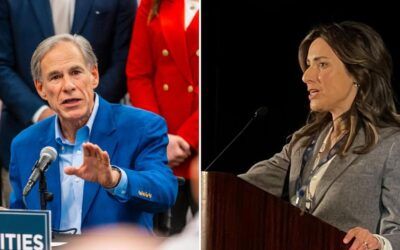
Ron DeSantis is once again drawing a sharp line in the sand—this time over a little-known legal loophole that has the governor shaking his head.
Speaking candidly at a Tampa bill-signing event, DeSantis didn’t mince words about Florida’s current stance on cousin marriage, calling it a glaring oversight that needs immediate correction.
“Florida doesn’t ban cousin marriage: That’s a hanging curveball for us to do; we need to do that,” he said, invoking his well-known love of baseball to describe what he sees as an easy policy win.
While the event itself focused on a tough new law aimed at cracking down on extremist groups—giving state leaders the authority to label organizations as terrorist entities and remove students who support them—the governor used the spotlight to reignite a simmering cultural debate.
Despite Florida’s reputation as a leader among conservative states, it remains behind much of the country on this issue. Current law already prohibits marriages between close relatives—siblings, parents, grandparents, aunts, uncles, nieces, and nephews—but notably does not include first cousins.
That omission has drawn increasing scrutiny from those who argue the state should align with the majority of the nation. DeSantis made it clear he sees no good reason for the delay.
“Other states have done it,” he said. “I don’t know why we wouldn’t, but obviously that feeds into some of the stealth jihad that we see, when you’re allowing things like that. It’s things that are coming in from other cultures that are not consistent with the United States culture, and certainly our culture here in Florida.”
The governor’s remarks went beyond public health or legal consistency, tying the issue directly to broader concerns about immigration and cultural assimilation—an argument that is likely to energize supporters while drawing sharp criticism from opponents.
For DeSantis, this isn’t just about marriage laws—it’s about defending American norms.
“We have got to stop as a country importing people that reject the values of this country, and that’s just been going on for a long time,” he warned.
The push comes after the collapse of a 2025 proposal, HB 733, which would have officially banned first-cousin marriages beginning July 1. The bill failed to cross the finish line, leaving the issue unresolved.
Supporters of the ban often cite increased risks of genetic disorders as justification, while critics argue the government should stay out of deeply personal family decisions.
Still, DeSantis has signaled the fight is far from over.
Last month, he took to social media with a cryptic message: “For some reason the ban on cousin marriages was dropped during the legislative process… Stay tuned.”
With his final legislative session underway before term limits force him out of the governor’s mansion, DeSantis appears determined to make the most of his remaining time. He hinted that unfinished business—including the cousin marriage ban—could resurface soon.
“Now, there were some things that were a part of this package that we may need to add in upcoming, because I think there were some things that we really need,” he said, emphasizing the issue’s importance.
There’s even speculation he could call a special session to revive the proposal if lawmakers fail to act.
Meanwhile, the newly signed law from the same event marks a significant escalation in Florida’s approach to domestic security. It grants top state officials sweeping power to designate groups as terrorist organizations, shut them down, freeze funding, and even expel students who promote them.
DeSantis underscored the urgency of tightening both cultural and security policies, pointing to a recent federal case involving relatives of Qasem Soleimani.
“How do they get to where she was even here to begin with?” he asked. “What is it about our laws or administrative bureaucracy over what, I think, a period of four or five years?”
In classic DeSantis fashion, the governor is blending cultural conservatism, immigration concerns, and legislative urgency into a single rallying cry. With time running out on his administration, he’s not backing down from a fight—even one many Floridians didn’t see coming.