

File this this under “things we’re told never happen.”
A 39-year-old man in Minnesota is now staring down felony charges after allegedly doing the unthinkable—registering to vote and actually casting a ballot in the 2024 election… despite not being a U.S. citizen.
According to authorities, Mukeshkumar Somabhai Chaudhari didn’t just slip through the cracks—he walked right through the front door. Records show he registered in 2023 and followed through with a ballot the next year. When investigators first questioned him, he reportedly denied voting. Then came the pivot: he later admitted he had, calling it a “mistake,” and acknowledged he’s not a citizen.
A mistake? That’s one way to describe checking a box that explicitly asks whether you’re eligible to vote in a U.S. election.
The explanation gets murkier. Investigators say Chaudhari received a voter registration notice after obtaining a driver’s license—raising fresh questions about how tightly (or loosely) state systems are linked. He reportedly told authorities he didn’t realize he wasn’t allowed to vote until his lawyer flagged the issue during his green card process.
That’s a stunning claim, considering what Minnesota election officials themselves make crystal clear: “Only U.S. Citizens are eligible to vote in Minnesota.”
Officials emphasized that applicants must affirm their citizenship when registering and again before voting. And if someone lies? The consequences are anything but minor: “If a noncitizen attempts to vote in an election, they will be caught and held to account. Penalties for voting while ineligible may include deportation, a permanent bar on future citizenship, a fine of up to $10,000, and up to five years in prison.”
Yet here’s where the story collides with politics. For years, critics of stricter voting laws have insisted that noncitizen voting is “extremely rare.” That phrase is doing a lot of heavy lifting these days.
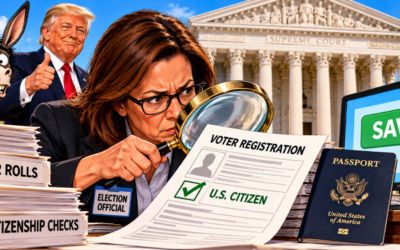
Because every time one of these “rare” cases pops up, it adds fuel to an already raging debate. Republicans have been pushing measures like the SAVE America Act, aimed at tightening voter ID and citizenship verification rules. Democrats, meanwhile, argue such efforts risk disenfranchising legitimate voters.
But critics aren’t buying that this is just a statistical blip. The reaction online was swift and biting.
“That thing that never ever happens happened again,” one policy analyst quipped.
Others pointed squarely at Minnesota’s recent policy changes—loosening election rules, expanding access to driver’s licenses for noncitizens, and extending early voting windows while mass-mailing registration materials and ballots.
Coincidence? Or a system stretched too far?
Skeptics say it’s not just about one man’s alleged “mistake.” It’s about the structure that made it possible. Minnesota allows registered voters to “vouch” for others’ residency—up to eight people—during same-day registration, even without ID. Supporters call it accessible. Critics call it a loophole big enough to drive a campaign bus through.
And now, with a felony case front and center, the argument that “it never happens” is looking a little less airtight.








Only citizens are allowed to vote, PICTURE IDS FOR ALL WHO VOTE!!!!