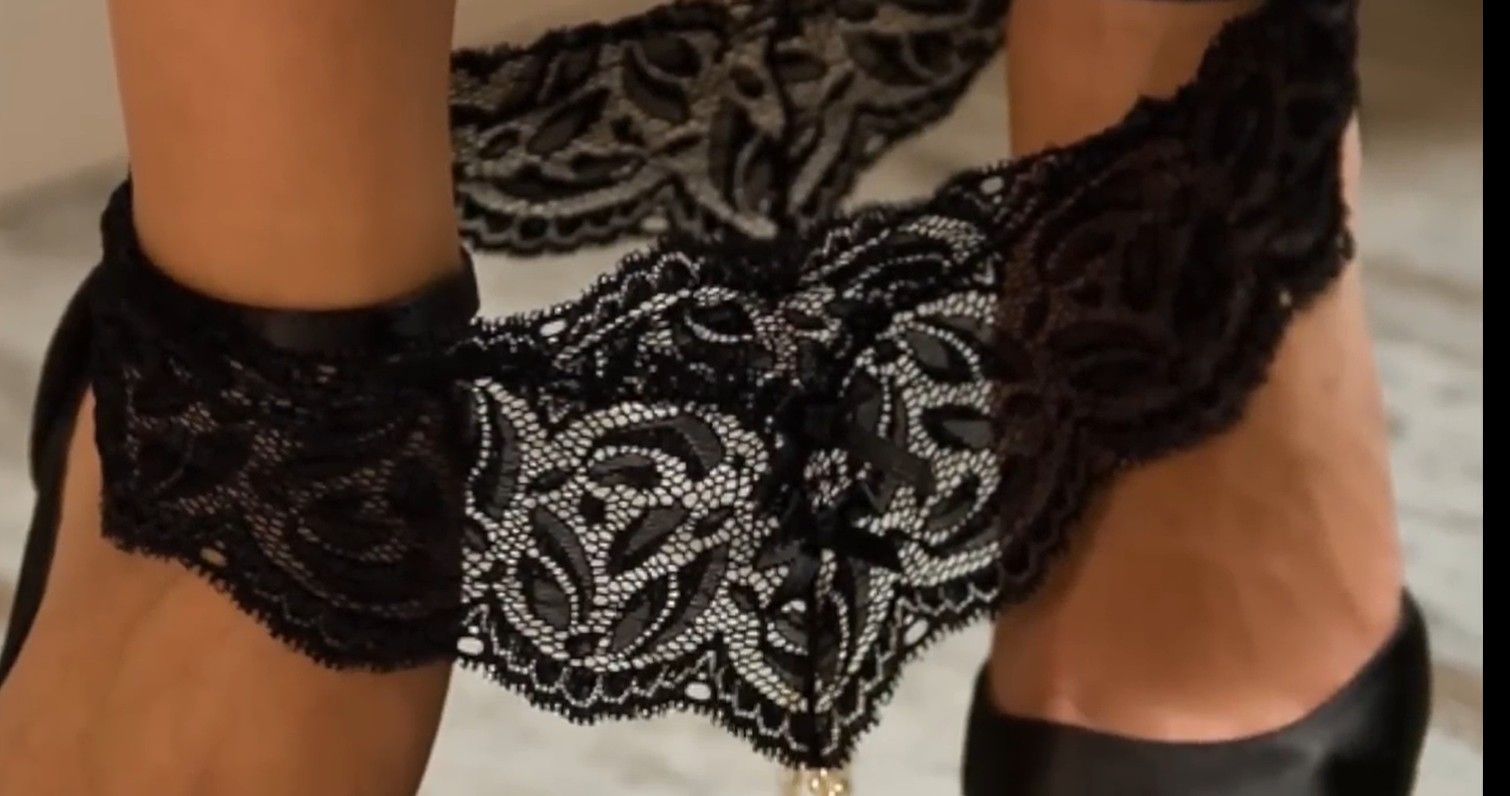
Call it the strangest delivery since the Trojan Horse — except this one came gift-wrapped as lingerie.
Federal authorities just busted yet another case of a Chinese national sneaking biological material into the United States — and this time, the alleged smuggling operation hid behind a label for women’s underwear.
At the center of the case is Yewang Xiang, a PhD researcher at Indiana University, who wasn’t just hitting the books. According to court documents, he pleaded guilty to illegally importing biological material from China, slipping it past authorities in a package that looked more Victoria’s Secret than virology lab.
But the feds weren’t buying it. The shipment raised eyebrows immediately — not because of lace and silk, but because it originated from a Chinese scientific company. Inside? Not lingerie. Instead, investigators found E. coli DNA samples — the kind of biological material that can make people seriously ill, particularly vulnerable populations like children and seniors.
Authorities say Xiang admitted he was a member of the Chinese Communist Party and had links to a government-affiliated lab back in China — all while living and working in the American Midwest for years on a student visa.
Federal investigators are making it clear this isn’t some one-off mishap or academic curiosity gone wrong. Timothy O’Malley, the special agent in charge of the Indianapolis FBI office, didn’t mince words, warning that “Chinese bio smuggling [is] a threat to national security.” He added, “In this case we were fortunate it did not happen but this problem is not an isolated problem.”
So, we may have caught this one — but how many slipped through?
Xiang was sentenced to just four months in jail — essentially time served — before being handed over to immigration authorities for deportation. That’s it. A slap on the wrist and a plane ticket home.
Meanwhile, this isn’t even the only case raising eyebrows.
In a separate incident, another Chinese student — this time at the University of Michigan — pleaded guilty to smuggling a toxic agricultural fungus into the United States. Experts say the pathogen could devastate crops and trigger serious health issues, including vomiting, liver damage, and even reproductive harm in humans and livestock.
Two cases. Two students. Two smuggling operations involving biological materials with real-world consequences — from public health risks to threats against America’s food supply.
This isn’t just about rogue researchers cutting corners. It’s about a pattern — one that raises serious questions about oversight, vetting, and whether U.S. institutions are being used, knowingly or not, as soft entry points for sensitive materials tied to a strategic rival.
Universities have long prided themselves on openness and international collaboration. But in an era of geopolitical tension — especially with China — that openness is starting to look a lot like vulnerability.