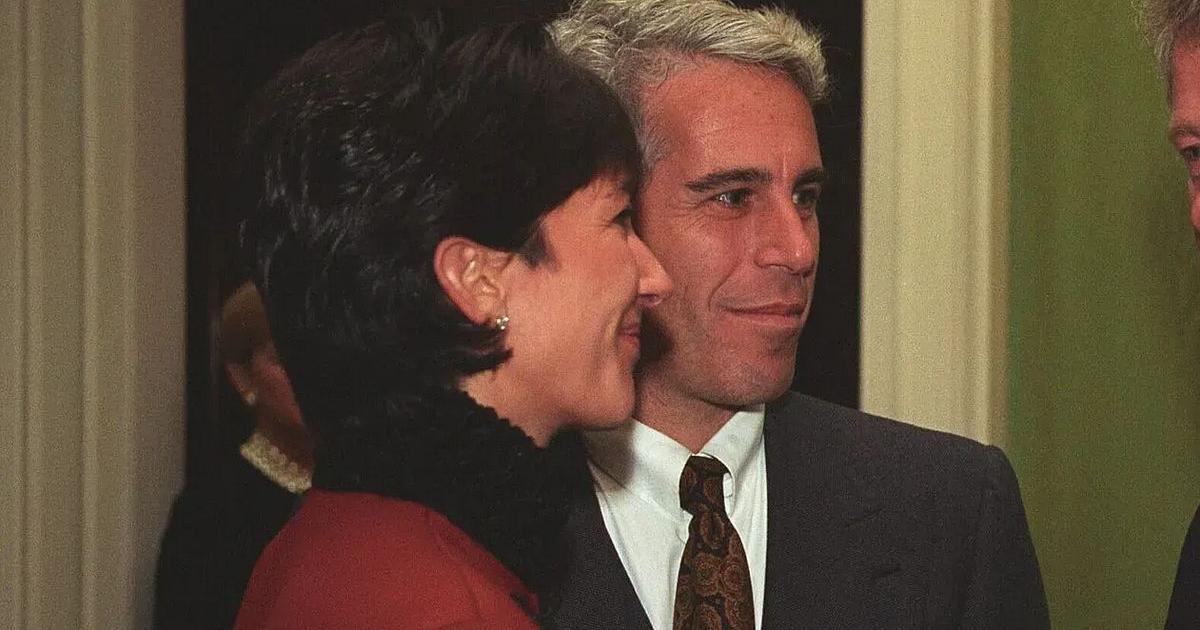
Jeffrey Epstein and Ghislaine Maxwell at the White House, Sept. 29, 1993. Photo: White House Archive / Wikimedia Commons /Public Domain / Cropped from Original
Washington is once again flirting with a jaw-dropper: should one of the most infamous figures tied to the Jeffrey Epstein scandal cut a deal for her freedom?
Behind closed doors, Republicans on the House Oversight Committee are reportedly at odds over whether Ghislaine Maxwell—now serving a 20-year sentence for child sex trafficking—should be offered a presidential pardon in exchange for spilling whatever she knows.
Committee Chairman James Comer isn’t exactly thrilled with the idea. While acknowledging that “a lot of people” think it might be worth it if it cracks open the Epstein mystery, Comer made it clear he’s not buying what’s being sold.
“My committee’s split on that,” he said, before adding the obvious: it “looks bad.” That might be the understatement of the year. “Honestly, other than Epstein, the worst person in this whole investigation is Maxwell.” Not exactly a ringing endorsement for clemency.
Across the aisle, Democrats aren’t just opposed—they’re practically apoplectic. Ranking Member Robert Garcia blasted the mere suggestion as offensive and dangerous.
“That would be a huge step backwards, and, quite frankly, so disrespectful to the survivors,” Garcia said. “She is a known abuser. She is a known liar.” And he didn’t stop there. Garcia warned that any attempt to cut a deal “is not only a huge slap in the face to this investigation… It’s a part of a massive cover-up.”
So what’s fueling this combustible debate? Maxwell herself is holding the match. Through her attorney, David Oscar Markus, she’s made it clear: no clemency, no testimony.
“If this Committee and the American public truly want to hear the unfiltered truth about what happened, there is a straightforward path,” Markus said earlier this year. “Ms. Maxwell is prepared to speak fully and honestly if granted clemency by President Trump. Only she can provide the complete account.”
He added a particularly eyebrow-raising claim: “Some may not like what they hear, but the truth matters. For example, both President Trump and President Clinton are innocent of any wrongdoing. Ms. Maxwell alone can explain why, and the public is entitled to that explanation.” That’s quite the sales pitch—especially the part where the star witness insists she’s the only keeper of the “complete account.” In Washington, that kind of exclusivity usually comes with a side of skepticism.
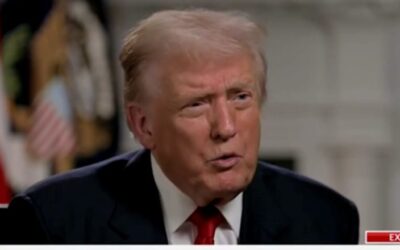
As for Donald Trump, he hasn’t slammed the door on the idea. The president—who once moved in the same elite social circles as Epstein—has left the possibility of a pardon hanging in the air. And that’s where things get messy.
On one side, there’s the argument that the Epstein saga still has unanswered questions—and maybe Maxwell is the key to unlocking them. On the other, there’s the uncomfortable reality of offering mercy to someone widely viewed as a central player in a grotesque criminal enterprise.
Call it a moral Rorschach test for Washington: is the pursuit of “truth” worth the price of letting a convicted trafficker walk?