The man accused of turning the White House Correspondents’ Dinner into a near-mass casualty event didn’t just snap. He branded himself, in his own words, the “Friendly Federal Assassin” — and then laid out, in chilling detail, why he believed violence was justified.
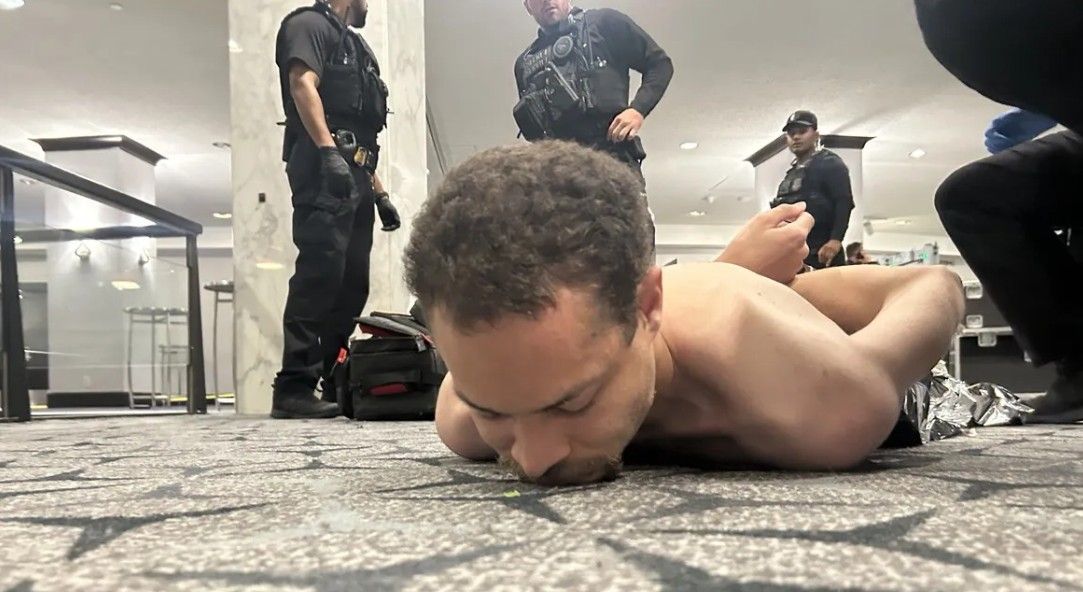
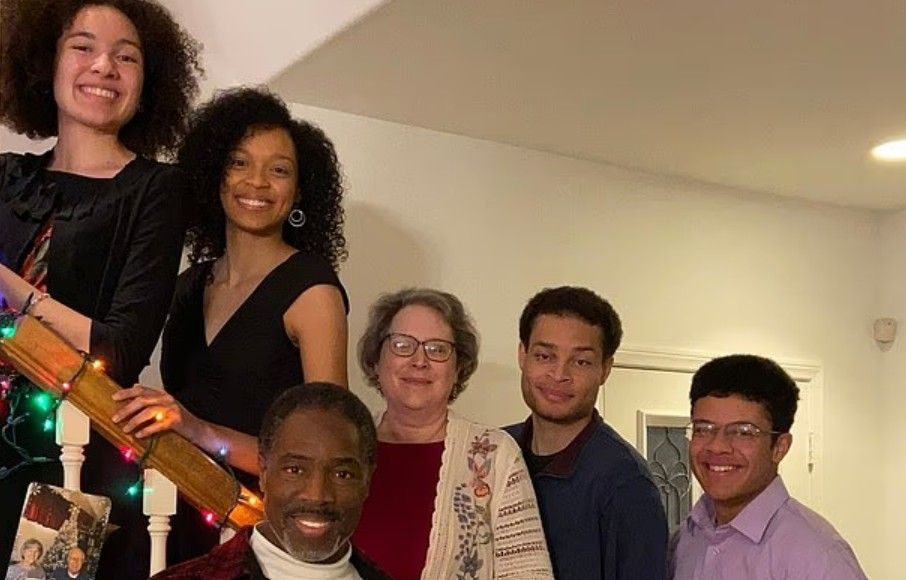
Meet Cole Allen, 31, a California man who allegedly stormed the Washington Hilton armed with a shotgun, handgun, and knives — not for chaos, but for a targeted political strike. His goal? Trump administration officials.
And if his manifesto is any indication, he thought he was the good guy.
Minutes before gunfire erupted, Allen reportedly sent family members a screed that reads less like a cry for help and more like a declaration of war. In it, he attempts to cloak his rage in moral righteousness:
“Turning the other cheek is for when you yourself are oppressed. I’m not the person raped in a detention camp. I’m not the fisherman executed without trial.”
He continues, drawing a grotesque moral line that justifies violence against others:
“Turning the other cheek when someone else is oppressed is not Christian behavior; it is complicity in the oppressor’s crimes.”
And Allen wasn’t shy about collateral damage either. While he claimed he wanted to “minimize casualties,” he made clear that restraint had limits:
“I would still go through most everyone here to get to the targets if it were absolutely necessary… but I really hope it doesn’t come to that.” Everyone in that ballroom was expendable.
His alleged targets? “Administration officials… prioritized from highest-ranking to lowest.” Not exactly subtle. And then came the most venomous line — a direct attack on President Donald Trump:
“I am no longer willing to permit a pedophile, rapist, and traitor to coat my hands with his crimes.”
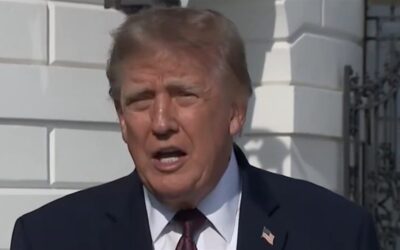
President Trump, reacting the next morning, didn’t mince words, calling the suspect someone who “had a lot of hatred in his heart” and describing the manifesto as “a religious thing” that was “strongly anti-Christian.”
The suspect’s writings twist morality, faith, and grievance into a toxic blend — one that frames violence as virtue.
People saw warning signs. Family members say Allen had been spiraling, making increasingly radical statements and talking about doing “something” to fix the world. He had weapons. He trained with them. He shared disturbing writings before the attack — alarming enough that a relative tipped off police.
Yet somehow, he still made it across the country, checked into the very hotel hosting one of Washington’s highest-profile events, and got close enough to open fire.
Surveillance footage shows Allen sprinting past security, dressed in black, weapon in hand, as stunned guards scrambled to respond. Inside, panic erupted. Guests were told to hit the floor. Glass shattered. Secret Service agents rushed officials — including top Republicans — to safety.
One agent was struck but saved by body armor. A close call that could have been far worse.
Add in Allen’s reported ties to activist groups like “The Wide Awakes” and attendance at anti-government protests, and you get a portrait of a man marinating in ideological extremism — then acting on it.
When society shrugs off extreme language as “venting,” it risks normalizing the mindset that makes violence seem justified.
Saturday night could have ended in catastrophe. Instead, it ended in a warning.