

Just when you thought Washington couldn’t get any more predictable, a Clinton-appointed judge has stepped in again—this time freezing a Trump administration effort to create what critics are already branding a “slush fund,” and supporters argue is a long-overdue pushback against political persecution claims.
U.S. District Judge Leonie Brinkema has temporarily blocked Donald Trump’s administration from moving ahead with the proposed “Anti-Weaponization Fund,” a $1.8 billion program designed to compensate individuals who say they were unfairly targeted during the Biden-era Justice Department.
In a sweeping order issued Friday, Brinkema didn’t just question the plan—she halted it outright. The ruling bars officials from establishing the fund, reviewing claims, or distributing a single cent while the legal fight unfolds.
The program itself traces back to a settlement linked to Trump’s separate legal battle with the United States Department of the Treasury over the leak of his 2019 tax return. From there, the idea expanded into a broader compensation mechanism aimed at people alleging political targeting by federal authorities during the prior administration.
Among those potentially included are individuals connected to the aftermath of the January 6 Capitol riot—including roughly 1,600 pardoned defendants. That detail alone has triggered predictable outrage from critics who insist the program crosses a political red line, while supporters argue it corrects what they view as selective prosecution and uneven justice.
Capitol Hill has been unusually unified in criticism of the concept, with lawmakers from both parties blasting the proposal as a taxpayer-funded reward system for politically charged behavior. The phrase “slush fund” has been thrown around frequently, signaling just how toxic the politics around the program have become.
The legal challenge that led to Friday’s ruling was filed only last week, with plaintiffs arguing the initiative violates federal law and exceeds executive authority. Brinkema—an 81-year-old jurist appointed in 1993 by then-President Bill Clinton—has scheduled a follow-up hearing for June 12, where she will consider whether to extend the freeze more permanently.
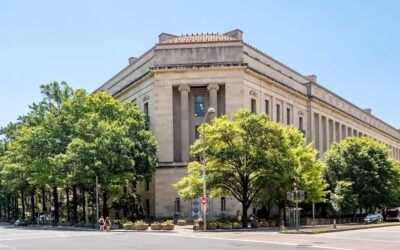
Meanwhile, the administration is already facing additional lawsuits targeting the same initiative, setting up yet another multi-front courtroom battle involving the United States Department of Justice.
For supporters of Trump’s broader “anti-weaponization” push, the ruling will feel like déjà vu: another Washington judge stepping in to block a policy framed as accountability for political targeting. Critics, meanwhile, are likely to see it as a necessary guardrail against executive overreach.




sounds about right, Trump tries to do something nice for people, and it gets screwed over by a Judge.