Nuclear mystery deepens as missing lab worker found dead in New Mexico forest
For nearly a year, the disappearance of a Los Alamos National Laboratory employee has lingered as one of the most unsettling entries in a growing list of vanished or deceased scientists, engineers, and researchers tied to sensitive government work. Now, one chapter has closed — but the bigger questions refuse to go away.
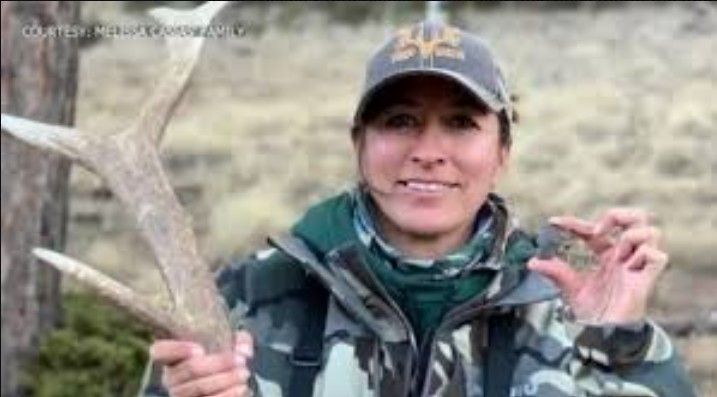
Authorities say the remains of Melissa Casias, a 54-year-old employee of Los Alamos National Laboratory, were discovered by a hiker in a remote section of northern New Mexico’s Carson National Forest. A handgun was reportedly found near her remains. What happened to Casias remains anyone’s guess for now. And that’s exactly the problem.
According to New Mexico State Police, the remains were located in the McGaffey Ridge area after a hiker alerted authorities. Investigators confirmed Casias’ identity through the Office of the Medical Investigator, which is continuing forensic examinations. “The cause and manner of death have not yet been determined,” police said.
That simple sentence leaves a mountain of unanswered questions. Casias disappeared on June 25, 2025, after failing to report to work. Family members became alarmed when they discovered she had left behind personal belongings, including her purse, identification, and cell phones. Those details immediately raised red flags for investigators and loved ones alike. The search that followed stretched for months.
What transformed the case from a tragic local disappearance into a national story was its connection to a broader federal review involving a string of scientists, engineers, defense specialists, and researchers whose deaths or disappearances have generated widespread concern.
Casias and fellow Los Alamos employee Anthony Chavez were among the names flagged during inquiries by federal investigators and lawmakers examining reports involving individuals connected to nuclear research, missile technology, and other highly sensitive fields.
That review gained traction after President Donald Trump directed attention toward the cases and congressional investigators began seeking answers from federal agencies.
In a letter sent to FBI Director Kash Patel earlier this year, House Oversight Committee leaders cited what they called “recent unconfirmed public reporting” involving individuals connected to American nuclear programs and rocket technology. The lawmakers wrote that “public reports raise questions about a possible sinister connection between a string of mysterious deaths and disappearances which began in 2023.”
To be clear, no federal agency has publicly established a connection between Casias and any of the other cases. Investigators have repeatedly cautioned that speculation is not evidence, and several officials have suggested the incidents may ultimately prove unrelated. Still, the list has attracted attention because of the backgrounds involved.
Among the cases reviewed by lawmakers were reports involving personnel connected to Los Alamos, researchers associated with NASA’s Jet Propulsion Laboratory, a scientist involved in nuclear fusion research, a pharmaceutical researcher, and a contractor linked to a facility that manufactures components used in America’s nuclear weapons infrastructure.
That’s enough to keep Washington talking — and enough to keep skeptics asking whether coincidence alone explains the pattern. For now, authorities insist the Casias investigation remains active. The discovery of her remains may have ended the search, but it has not delivered the answers her family has waited nearly a year to receive.
Police offered condolences to the Casias and Mondragon families, but sympathy is not closure. The central questions remain stubbornly unresolved: How did Melissa Casias die? Why was a handgun found beside her remains? How long had she been there? And will investigators uncover anything that explains why a respected employee of one of America’s most important nuclear research facilities vanished without a trace?