

For years, Scott Pelley was one of the untouchables of television news — the kind of legacy journalist who seemed to believe the rules applied to everyone except the people sitting behind the anchor desk.
This week, reality arrived.
Just one day after publicly torching CBS News leadership in a heated staff meeting, the longtime 60 Minutes correspondent found himself out of a job. The speed was remarkable. The outcome was not.
According to reports, Pelley used a meeting with newly installed executive producer Nick Bilton to air grievances about the network’s direction, question Bilton’s qualifications, and blast CBS News editor-in-chief Bari Weiss. Reports indicate Pelley accused Weiss of “murdering” 60 Minutes and challenged management in front of staff.
In other words, he turned a workplace meeting into a public rebellion.
Then came the inevitable. On a staff call following the firing, Weiss made it clear that CBS leadership viewed the issue not as a disagreement over journalism, but as a collapse of professional trust. “I know I speak for myself, and I hope I speak for everyone here when I say that I’m only interested in working in a newsroom that is built on trust and mutual respect. We cannot do our work without it. That foundation was broken on Monday, and despite our attempts to engage with Scott Pelley and to find a way back, unfortunately we weren’t able to do so, and so we had to part ways.
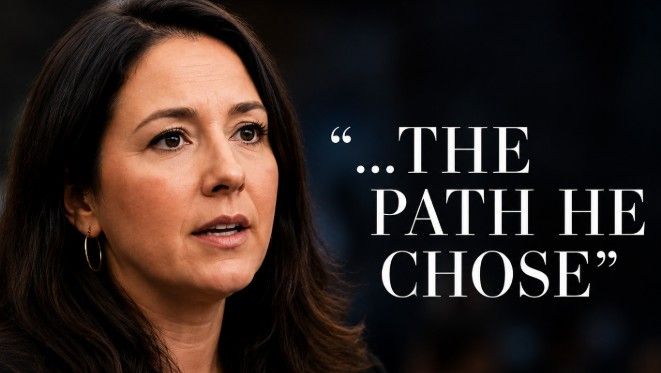
“We did not want that to happen, but that’s the path that he chose.”
The old media establishment loves to portray itself as fearless truth-tellers. Yet too often what they really mean is that they should be free to attack management, undermine leadership, and openly sabotage organizational change without consequences. Try that in virtually any other profession.
Bilton’s termination letter was equally direct. “Yesterday, you hijacked my first meeting with staff to disparage me, my qualifications, and my intentions with remarkable incivility and contempt.
“Yesterday’s performative display of hostility enacted in front of the staff instead of in a civil, private conversation demonstrated that you have no interest in contributing to the future success of the show, or approaching my new tenure with a mind open to collaboration and progress.”
Pelley left swinging.
In a farewell statement, the veteran correspondent portrayed himself as the last defender of journalistic virtue, claiming he was pressured to insert “falsehoods and bias” into a politically sensitive story and arguing that competence had vanished from CBS leadership.
Pelley wrote: “I depart after 37 years at CBS with one emotion — a heart brimming with gratitude for the men and women of CBS News who encouraged and enriched my work, very often at the risk of their own lives. I pray for a day when those people and their ideals are honored again—a day when sanity, competence, and courage return.”
It’s a dramatic exit line worthy of a Hollywood political thriller. But here’s the uncomfortable reality for the old guard. The media landscape that elevated figures like Pelley is gone. For years, legacy news organizations suffered from collapsing public trust, ideological tunnel vision, shrinking audiences, and an inability to understand why millions of Americans no longer viewed them as neutral arbiters of truth. New leadership at CBS was brought in specifically to change that trajectory.
To her credit, Weiss avoided the temptation to erase Pelley’s legacy. During the staff call, she praised his decades of work and highlighted several of his recent reports as examples of the kind of journalism the program should continue producing.
This wasn’t management claiming Pelley was untalented. It was management deciding that talent doesn’t exempt someone from basic standards of conduct. For decades, media stars demanded accountability from everyone else in America — politicians, CEOs, police chiefs, presidents, and corporate executives.
This week, one of television’s biggest journalism stars encountered a little accountability of his own.












Good bye and good riddance.