Just days before the world’s biggest soccer tournament kicks into high gear in Los Angeles, a labor showdown is threatening to crash FIFA’s party.
Workers at SoFi Stadium — the gleaming Southern California venue set to host multiple World Cup matches this summer — have voted to authorize a strike, turning what should be a global sports celebration into yet another political battleground over immigration enforcement.
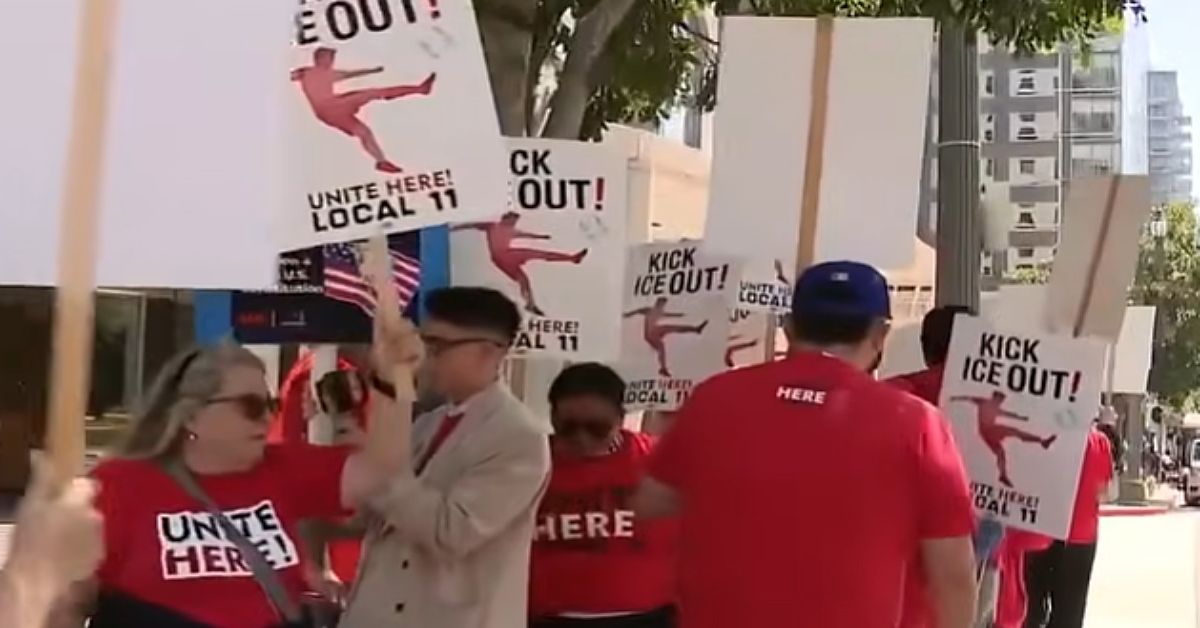
The dispute centers on contract negotiations between hospitality workers represented by UNITE HERE Local 11 and Legends Global, the company responsible for stadium hospitality operations. While pay and benefits remain sticking points, the union has made opposition to potential federal immigration enforcement activity a central issue in the negotiations.
The timing could hardly be worse for FIFA organizers hoping to showcase Los Angeles to billions of viewers around the globe.
Union leaders are demanding higher wages tied to Los Angeles’ notoriously expensive cost of living, premium compensation for World Cup and other major events, contributions to housing programs for hospitality workers, and workplace protections related to immigration enforcement.
Los Angeles County Sheriff Robert Luna recently said federal officials informed him that personnel from the Department of Homeland Security would be present during World Cup matches to assist with security operations, not civil immigration enforcement. “Any of that is subject to change, but I have trust that they’re giving me the appropriate information because if that starts occurring, we’re going to have a whole new host of problems,” Luna said.
Yet that reassurance hasn’t satisfied labor activists.
“What good is the World Cup for Los Angeles when workers don’t earn enough to pay the rent and must choose between showing up and being kidnapped by ICE?” union co-president Kurt Petersen said. “If we’re forced to strike, those $100,000 FIFA suites will have nothing but bottled water and Doritos.”
That rhetoric may excite activist circles, but critics note that ICE agents aren’t exactly lurking behind concession stands waiting to pounce on hot dog vendors. Federal officials have repeatedly emphasized that security operations surrounding major international sporting events are focused on public safety, crowd control, and preventing threats — not turning soccer matches into immigration raids.
Still, the union wants workers to have the ability to leave their jobs if federal immigration activity at the stadium creates what it describes as a reasonable fear for worker safety.
Similar demands have surfaced in host cities including Atlanta and Miami, where organizers and advocacy groups have expressed concern that immigration enforcement actions near stadiums or fan events could discourage attendance.
Meanwhile, Legends Global says it remains committed to reaching a deal and maintaining its longstanding relationship with the union.
The company has expressed confidence that negotiations will continue and says it remains focused on delivering a first-class hospitality experience for fans attending World Cup matches at SoFi Stadium.
The union has also filed a complaint with California’s attorney general, arguing that FIFA’s accreditation procedures could potentially expose workers to immigration scrutiny. Federal immigration authorities, however, have maintained that their role during the tournament will be centered on security responsibilities.
Adding fuel to the debate, acting ICE Director Todd Lyons previously indicated that the agency would play a significant role in overall tournament security — a point later echoed by local law enforcement officials.
For now, negotiations continue. But with the World Cup rapidly approaching, FIFA faces an uncomfortable reality: instead of headlines about soccer, packed stadiums and international competition, Los Angeles is once again generating headlines about labor unrest, immigration politics and activist demands.
Whether the two sides reach a deal or not, one thing is already clear: America’s biggest soccer event is arriving with plenty of extra drama before the first whistle is even blown.