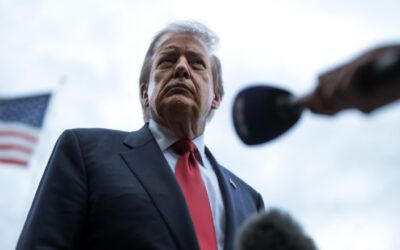
When President Trump finally stood up, ripped off the gloves and told NBC’s Kristen Welker he’d had enough, plenty of establishment media figures predictably clutched their pearls.
Megyn Kelly wasn’t one of them.
The former Fox News star and SiriusXM host says Trump’s dramatic exit from NBC’s Meet the Press wasn’t some shocking breach of decorum. In her view, it was the inevitable result of an interview that had devolved into an endless prosecutorial cross-examination masquerading as journalism.
“I don’t blame him. I gotta be honest, I don’t blame him,” Kelly said while dissecting the now-viral showdown. “There’s a way of challenging him without being so whiny and nasty…That’s why he got up and walked out, which you deserved.”
The clash erupted during a lengthy Wisconsin interview that had already been interrupted by heavy rain and technical problems. By the time viewers saw the final fireworks, tensions had reportedly been building for nearly an hour. Trump and Welker sparred over everything from election integrity and California vote-counting delays to a proposed compensation fund for Americans whom Trump says were targeted by political prosecutions during the Biden years.
Kelly argued that Welker fell into a trap many mainstream journalists fall into when interviewing Trump: trying to challenge every single assertion instead of having an actual conversation.
“When you are interviewing the president of the United States, especially Donald Trump, you’re going to have to give him a little,” Kelly said. “There’s a back-and-forth in an interview where you just keep battering him over the head at every turn.”
According to Kelly, Welker wasn’t interested in understanding why millions of Americans remain skeptical about election administration issues. Instead, she said, the NBC anchor seemed determined to perform for media insiders and network executives. “The problem for Kristen Welker is she made that moment about Kristen Welker,” Kelly argued.
The breaking point came when Trump once again raised concerns about election procedures and vote-counting delays. Welker pushed back and demanded evidence. Trump responded with a broadside aimed not just at her but at the entire corporate media establishment. “The elections are like a third world country. Your elections are crooked, and you’re crooked, and ‘Meet the Press’ is crooked, and so is ABC, CBS and CNN.”
As Welker attempted to continue, Trump unloaded further. “You’re one-sided crooked networks. Let’s call it quits.”
Then came the line that splashed the headlines: “I’ve had enough, thank you darling, have a good time.”
With that, the president stood and prepared to leave. Welker pleaded with him to stay. “Mr. President please, I traveled all the way to Wisconsin.”
Trump wasn’t impressed. “I’ve sat in the rain with you for an hour. On and off in the rain. I’ve given you enough time.”
Then he delivered what may have been the most memorable shot of the exchange: “You ought to straighten out your press. A country can never be great with a dishonest press.”
Kelly’s reaction was blunt. “‘I flew all the way to Wisconsin.’ Who gives a s***? Nobody cares,” she said, mocking Welker’s appeal for sympathy.
The veteran broadcaster suggested the NBC host ignored obvious signs that the interview was heading toward a blowup. Instead of diffusing the tension, Kelly argued, Welker repeatedly escalated it.
“He’s angry with you. Don’t take the bait,” Kelly said. “Maybe try to be playful. Maybe try to lighten the mood.”
Kelly also blasted what she sees as a broader credibility crisis inside legacy media. She pointed specifically to lingering public distrust surrounding election administration, arguing that journalists damage their own reputations when they refuse to acknowledge why voters have concerns. “Who do they think they’re kidding?” Kelly said. “It smells. We don’t believe it.”
The confrontation instantly became another chapter in Trump’s decades-long war with the national press corps. Critics accused the president of ducking tough questions. Supporters countered that the interview looked less like journalism and more like an attempted gotcha session. The debate exploded across television, podcasts and social media almost immediately after the footage aired.
Whether you loved it or hated it, one thing is certain: nobody can accuse that interview of being boring.