For decades, Washington has operated on a simple principle: the longer you stick around, the more power you collect.
Committee gavels. Leadership titles. Bigger influence. Better perks. A seat at every important table. Now one Republican lawmaker wants to throw a wrench into that system.
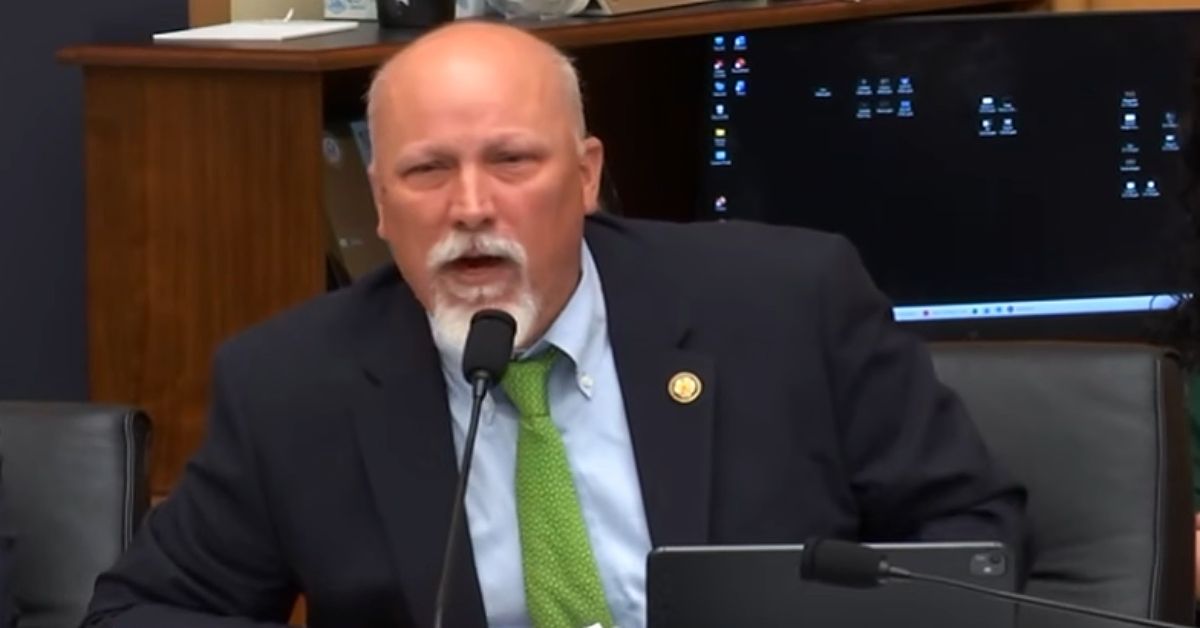
Rep. Chip Roy of Texas is advancing a proposal aimed squarely at Congress’ entrenched political class, arguing that lawmakers who spend more than a dozen years in the House or Senate should no longer enjoy taxpayer-funded salaries or dominate leadership positions.
The proposal stops short of imposing formal term limits, which would require a constitutional amendment. Instead, it takes aim at the incentives that keep lawmakers rooted in Washington long after many voters believe they should have gone home.
Under Roy’s plan, members who rack up 12 cumulative years in either chamber would lose eligibility for congressional pay. They would also be barred from serving in top leadership jobs, chairing committees, or acting as ranking members on key panels.
In other words, lawmakers could stay in office if voters continue electing them — but they would no longer enjoy the rewards that come with becoming part of Congress’ permanent governing class.
“For too long, Washington has rewarded longevity with greater power, higher pay, and deeper entrenchment,” Roy said in announcing the measure. “If members of Congress want to serve beyond 12 years absent a constitutional amendment limiting them, they should do so without taxpayer-funded salaries and without monopolizing committee chairs and leadership positions.”
Roy added that the legislation is intended to ensure that “public service remains exactly that: service to the people, not a lifelong career in politics.”
Public frustration with Congress remains stubbornly high and voter distrust of political institutions continues to simmer across the country. Calls for term limits routinely attract strong support in public polling, even though constitutional and political obstacles have repeatedly blocked such reforms.
Critics of Washington’s revolving-door culture argue that Congress has evolved into a professional political class disconnected from ordinary Americans. Many lawmakers spend decades in office, building fundraising machines, cultivating donor networks, and accumulating influence that challengers struggle to match.
Supporters of long-serving legislators counter that experience matters. They argue that Congress is a complicated institution where seniority helps lawmakers navigate legislative battles, oversee federal agencies, and negotiate major policy deals.
Roy’s proposal attempts to split the difference. It does not force anyone out of office. Instead, it seeks to make extended congressional service less attractive by stripping away many of the privileges associated with seniority.
The legislation would take effect beginning with the 121st Congress, which is scheduled to convene in 2029.
Whether the measure has any realistic path through a Congress populated by many lawmakers who would eventually be affected is another question entirely. After all, asking Washington insiders to voluntarily surrender power may be one of the toughest votes ever proposed on Capitol Hill.