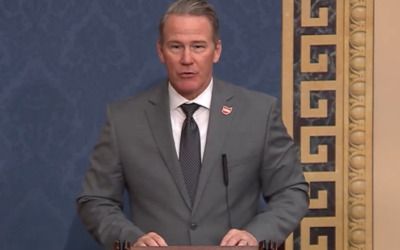
The latest Trump-world bombshell isn’t coming from a prosecutor, a congressional hearing, or a leaked FBI memo. It’s coming from a forthcoming New York Times reporters’ book — and if the authors are right, Vice President JD Vance was among the loudest voices in the room when the White House was scrambling to get ahead of yet another Jeffrey Epstein media firestorm.
According to excerpts published ahead of the book’s release, Vance walked into a high-level White House strategy session in the summer of 2025 with a blunt assessment: “This is a huge problem.”
No kidding.
For years, Epstein has functioned less like a criminal case and more like a political hand grenade. Every new document dump, rumor, or media report triggers another round of speculation, finger-pointing, and internet detective work. The issue has become especially combustible inside the MAGA movement, where many activists have long demanded maximum transparency from federal agencies.
The book’s authors portray Vance as deeply concerned that the Epstein controversy was becoming a serious political problem not because of any proven wrongdoing by Trump, but because the issue was threatening to fracture the conservative coalition from within.
And here’s where the story gets interesting. While some officials reportedly wanted to focus on damage control, Vance allegedly argued for something far more aggressive: release everything.
According to the account, the vice president repeatedly pushed for the public release of all Epstein-related material in the Justice Department’s possession. His argument was straightforward. If Congress was eventually going to force disclosure anyway, why wait?
That position will sound familiar to many conservatives who have spent years demanding transparency from federal agencies that often seem eager to classify, redact, delay, or withhold politically sensitive information.
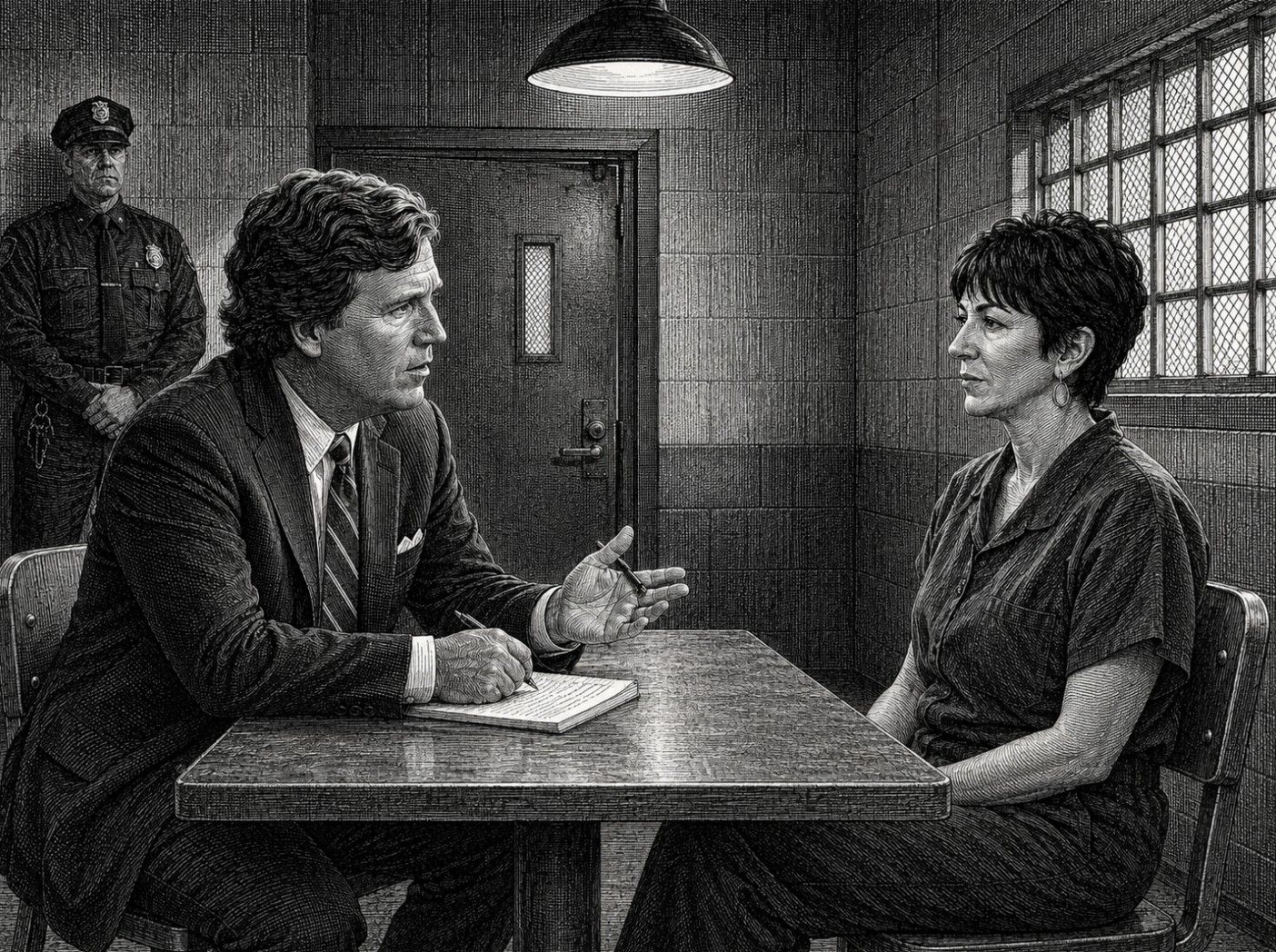
But the alleged proposal that grabbed headlines was something else entirely. The book claims Vance floated the idea of having Tucker Carlson conduct a prison interview with Ghislaine Maxwell, Epstein’s longtime associate who is serving a sentence for sex trafficking crimes.
The theory, according to the authors, was that if Maxwell publicly stated that Trump had no involvement in Epstein’s criminal conduct, it could help counter the narrative that critics and media outlets were building around the story.
Whether such an interview would have helped or hurt is another question entirely.
Carlson has built a career by asking questions establishment figures would rather avoid. A prison sit-down with one of the most notorious figures connected to the Epstein scandal would have generated massive attention, guaranteed wall-to-wall media coverage, and probably broken the internet for several days.
Predictably, the reported proposal also raised eyebrows among administration insiders. The book says some officials viewed Vance as intensely focused on the Epstein matter and worried that he was giving too much weight to theories circulating among activists and online commentators.
Years after Epstein’s death, the controversy continues to generate public distrust, conspiracy theories, demands for transparency, and political headaches for figures across the ideological spectrum. Every administration official who touches the issue risks angering one side or the other.
If the book’s reporting is accurate, Vance’s instinct was that sunlight—not secrecy—offered the safest political path forward.
In Washington, that’s a surprisingly rare position.