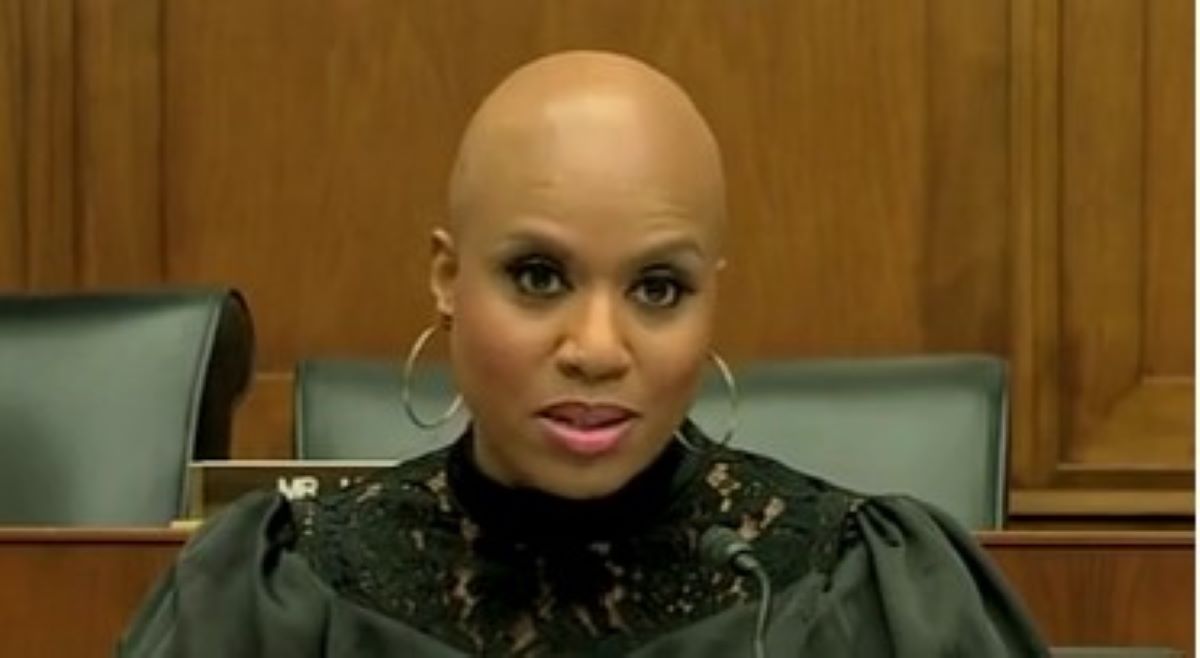
For a Democratic Party already struggling to convince voters it understands everyday economic pain, Rep. Ayanna Pressley has decided now is the perfect time to revive one of the most politically explosive ideas in American politics: reparations.
The Massachusetts congresswoman is once again arguing that the federal government should compensate Black Americans for the legacy of slavery, segregation, and generations of discrimination. Supporters frame the proposal as a long-overdue moral obligation. Critics see something else entirely: a massive transfer of wealth that would force millions of Americans to pay for historical injustices they neither committed nor benefited from.
And if Republicans were looking for a campaign issue heading into future elections, Pressley may have just gift-wrapped one.
Pressley has been one of Capitol Hill’s most vocal advocates for reparations for years, backing efforts to study and potentially implement compensation programs. The broader movement gained renewed attention after the racial unrest of 2020, but public support has remained deeply divided. Multiple national surveys over the past several years have found that a majority of Americans oppose direct cash reparations, while support is significantly higher among Black voters.
That political reality helps explain why many Democrats prefer to change the subject when reparations come up. The issue creates an uncomfortable dilemma for the party. Activists insist America has never fully reckoned with the economic consequences of slavery and Jim Crow. But swing-state Democrats know voters are already worried about inflation, housing costs, government spending, and a national debt that has soared past $40 trillion.
So when reparations enter the conversation, many Americans immediately ask the same question: Who pays? Critics argue that any federally funded reparations program would inevitably require taxpayers—including immigrants whose families arrived long after slavery ended, descendants of Union soldiers, and countless Americans with no connection to slave ownership—to foot the bill. That argument resonates strongly with voters who believe individuals should not be held financially responsible for the actions of people who died generations ago.
The political danger for Democrats is obvious. Reparations polls well in certain activist circles and progressive strongholds. It tends to fare far worse in competitive districts where elections are actually won and lost. Even some Democratic politicians appear reluctant to enthusiastically embrace the issue in public, often pivoting to broader discussions about economic opportunity, education, housing, or anti-poverty programs instead of direct cash payments.
Meanwhile, conservatives see an opening.
To them, the reparations debate perfectly encapsulates what they view as the modern Democratic Party’s biggest weakness: prioritizing symbolic ideological causes over kitchen-table concerns. At a time when Americans are worried about affordability, border security, crime, and government spending, Republicans believe proposals involving potentially enormous taxpayer-funded payouts are unlikely to win over undecided voters.
Supporters of reparations counter that critics intentionally ignore centuries of government policies that disadvantaged Black Americans long after slavery ended. They argue that wealth gaps did not emerge by accident and that addressing them requires more than generic economic programs.
But even if one accepts that argument, the practical questions remain daunting.
- Who qualifies?
- How much would be paid?
- Who funds it?
- How would eligibility be determined?
- And what happens when other groups demand compensation for historical grievances of their own?
Those questions have dogged reparations proposals for decades and remain largely unanswered. The result is a debate that generates plenty of headlines but little consensus.