In a stunning display of political dysfunction, Section 702 of the Foreign Intelligence Surveillance Act — the authority that allows U.S. intelligence agencies to collect communications from foreign targets overseas without obtaining individual warrants — officially expired at midnight after lawmakers failed to extend it.
Now the country finds itself in legal no-man’s-land.
With global tensions simmering, terror threats still very real, and massive events on the horizon including the 2026 FIFA World Cup and America’s 250th birthday celebrations, Congress decided this was the perfect moment for a game of political chicken.
The result? Nobody seems entirely sure what happens next.
“It’s unprecedented, uncharted territory. We’ve never been here before,” said Rep. Brian Fitzpatrick, a former FBI agent who has personally used the Section 702 database during his law enforcement career.
That uncertainty isn’t just a bureaucratic headache. It strikes at the heart of whether telecommunications providers, email companies and other communications firms will continue cooperating with new intelligence requests now that the statutory authority has lapsed.
For years, Section 702 has been one of the intelligence community’s crown jewels. Officials across Republican and Democratic administrations have argued the program has helped identify terrorists, foreign spies, cyber threats and hostile foreign actors targeting the United States.
Civil-liberties advocates have long criticized the program, arguing it sweeps up Americans’ communications incidentally and creates opportunities for government abuse. Those concerns fueled repeated reform battles on Capitol Hill over the past decade.
But even many critics acknowledge that letting the authority simply expire without a clear replacement creates serious uncertainty.
Some privacy activists argue the program may continue operating because the Foreign Intelligence Surveillance Court renewed certifications earlier this year. In theory, they say, that judicial approval could keep portions of the surveillance system alive even without fresh congressional authorization.
Supporters of the program aren’t so sure. “There is this theory out there, and it’s been out there for a long time, that the program can survive simply on certification. We’ve never tested that theory,” warned Rep. Jim Himes, the ranking Democrat on the House Intelligence Committee.
“They may rule to allow the program to continue, but we just don’t know that question. So, it’s not a matter of opinion, it’s a matter of let’s not be stupid. But now we may have no choice but to test that question of whether the program can survive the expiration of the statute.”
That’s where the real danger begins. Even if existing surveillance orders remain active, intelligence officials fear communications providers could decline new requests. Why? Because once Congress lets the law lapse, companies may lose legal protections shielding them from lawsuits.
As Senate Intelligence Committee member Sen. Mike Rounds put it bluntly: “Why would they do it on their own and then get their butt sued by trial attorneys?”
House Intelligence Committee Chairman Rick Crawford warned that the database itself may survive, but fresh intelligence could dry up. “It’s going to be hard to continue to grow that database under these constraints,” Crawford said. “It’s not going to give us an accurate real-time picture of what’s going on. It’s a look back, not a look ahead.”
That’s hardly comforting at a time when federal agencies continue monitoring threats from foreign terror networks, hostile nation-states and increasingly sophisticated cyber actors.
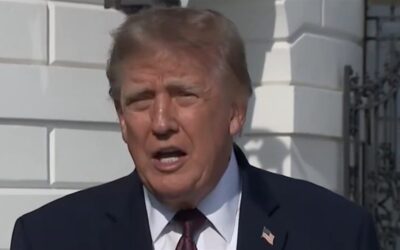
The collapse of the extension effort came after Democrats revolted over President Trump’s plan to install Bill Pulte in a senior intelligence role. Democratic lawmakers argued Pulte should not gain access to the nation’s most sensitive intelligence programs, citing controversies from his tenure leading the Federal Housing Finance Agency.
“The idea that somebody without a security clearance, who has not even been able to keep mortgage information confidential, is going to get keys to the whole intelligence community,” complained Sen. Mark Warner, the Senate Intelligence Committee’s top Democrat. Trump has since moved to nominate former U.S. Attorney Jay Clayton to lead the Office of the Director of National Intelligence, but the political damage was already done. The extension died. The clock ran out.
Now Trump is reportedly considering an executive order aimed at preserving some operational continuity. Whether that would survive legal scrutiny is another matter entirely.
Even many Republicans appear skeptical. “We’re going into uncharted water, so I’m not sure what can be done with an EO,” Crawford admitted.
The larger problem is that executive orders are no substitute for actual legislation. Telecom providers care less about political promises than they do about legal liability. If lawsuits start flying, corporate lawyers may decide cooperation simply isn’t worth the risk.
Meanwhile, Congress remains scattered.
The House is out until late June. The Senate is moving ahead with confirmation battles. And the same political disputes that killed renewal in the first place are still sitting there waiting when lawmakers return. The people responsible for fixing the problem have effectively hit the snooze button.
Not everyone is convinced the sky is falling. Sen. Josh Hawley has questioned how indispensable the current framework really is, noting that intelligence operations existed long before the modern FISA structure.
Still, the overwhelming consensus among intelligence officials, national security experts and lawmakers from both parties is that allowing a lapse was a gamble America didn’t need to take.
The truly maddening part is that none of this happened because of some unforeseen crisis. There were months of warnings. Multiple extension proposals. Plenty of opportunities to strike a deal.
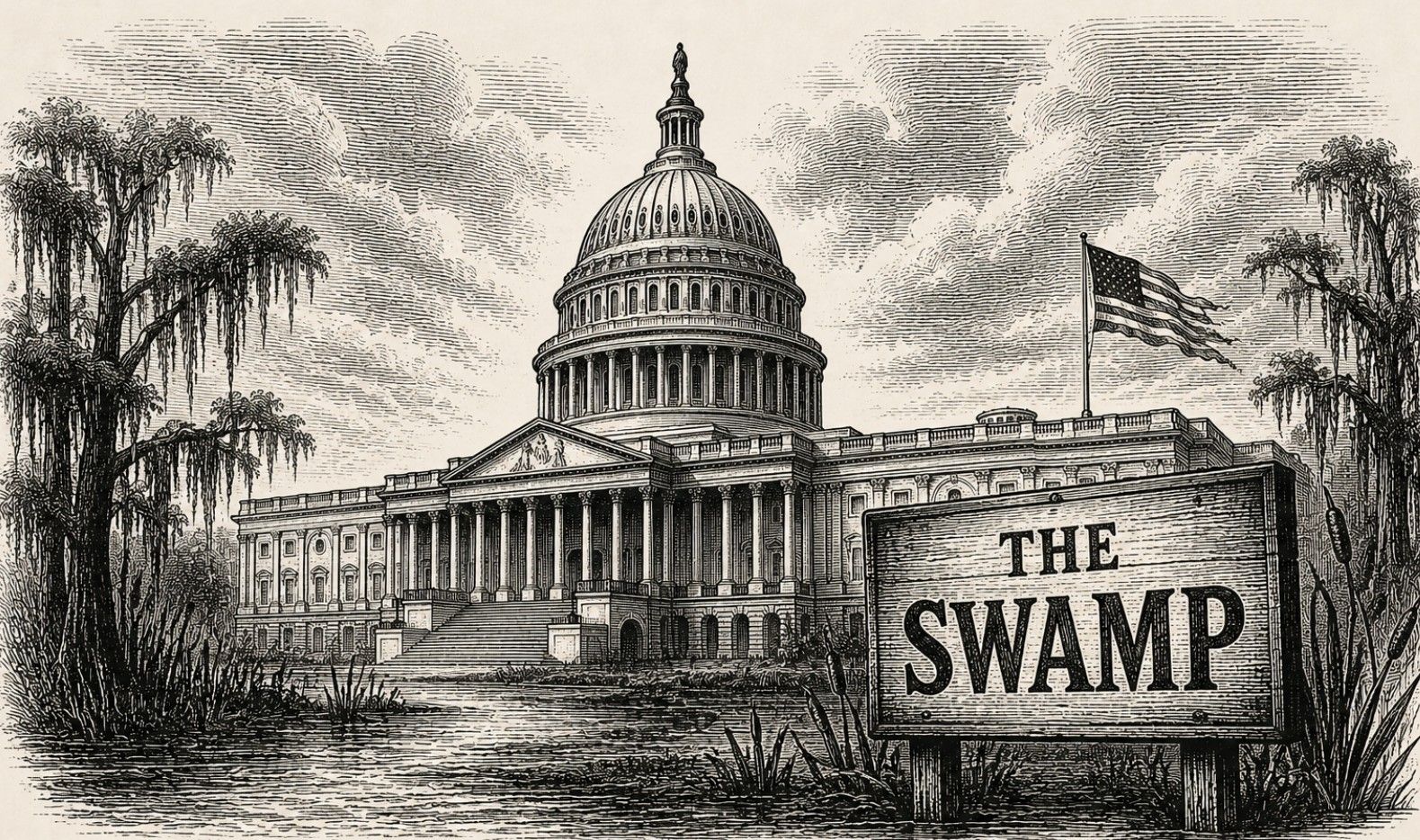
Instead, Washington delivered another master class in self-inflicted chaos.
America’s adversaries don’t take recesses. Terror plots don’t pause for congressional calendars. Foreign intelligence services certainly aren’t shutting down operations while lawmakers sort out their political grievances.
Yet somehow, at a moment when global threats are multiplying, Congress managed to put one of the government’s most powerful intelligence tools into legal limbo and call it a day.
Only in Washington.