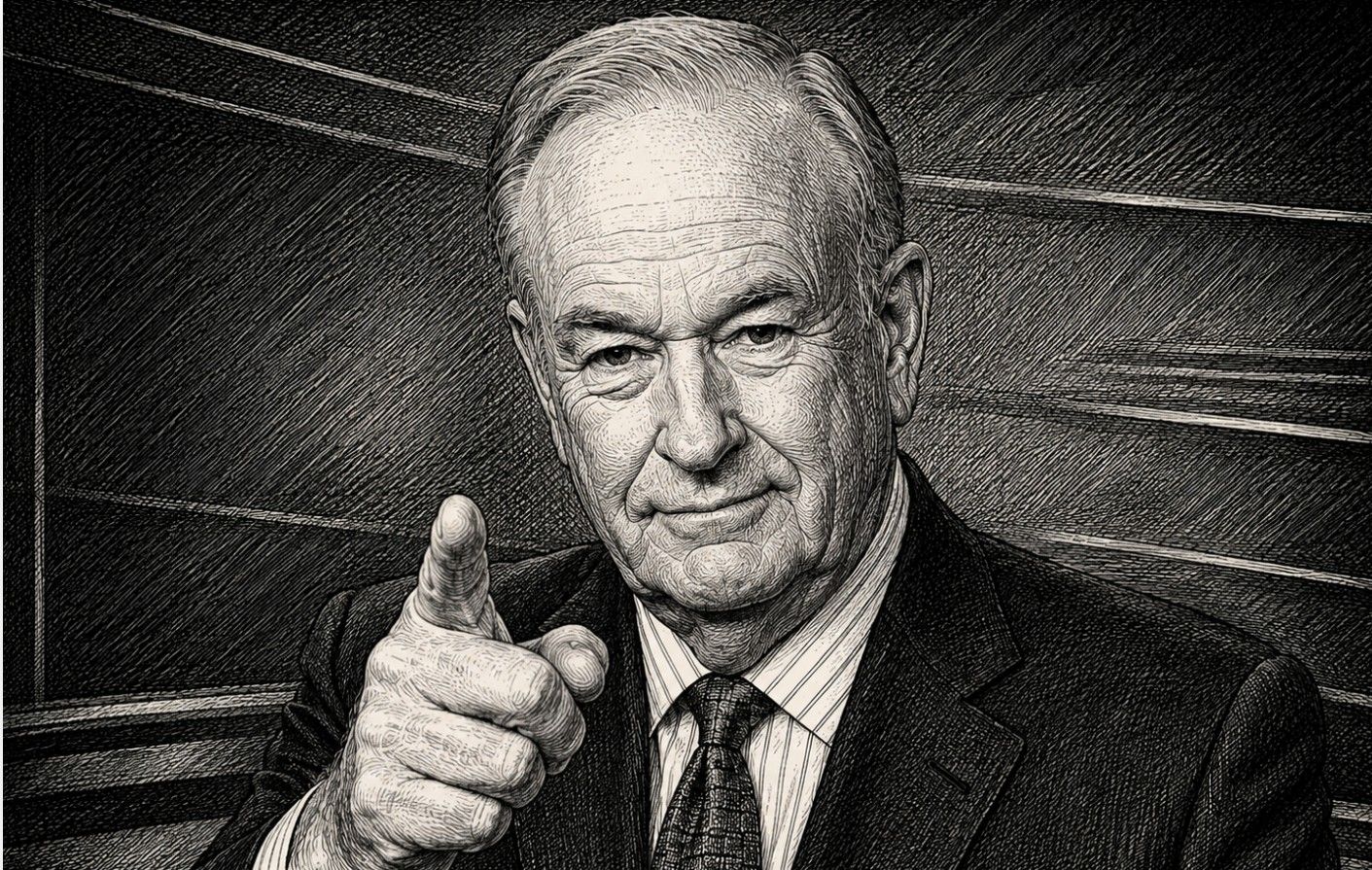
If there was any doubt that Israel is deeply skeptical of President Trump’s latest effort to cool tensions with Iran, conservative commentator Bill O’Reilly says the evidence is hiding in plain sight.
The veteran broadcaster argued that Jerusalem’s reaction to the newly announced U.S.-Iran agreement is more revealing than any diplomatic press release. In his view, Israel’s refusal to embrace the deal sends a clear message: it has no intention of surrendering its freedom to strike enemies that threaten its citizens.
Speaking during an appearance with NewsNation host Leland Vittert, O’Reilly pointed to Israel’s public resistance as the biggest clue about what comes next in the Middle East.
“Now, in Iran, the Israelis say openly, ‘We’re not going to be part of this. We’re not going to be a part of the deal, no matter what deal Trump makes.’ The Israelis are not going to sign it. They’re not going to be on board,” O’Reilly said.
“That’s a tell, a big tell, because the Israelis want the ability to strike back any time they want for any attack on them. And I don’t blame Israel.”
And why would they?
For decades, Israeli leaders have watched Tehran bankroll and arm proxy groups across the region while advancing missile programs and pursuing nuclear capabilities that have alarmed allies and adversaries alike. Critics inside Israel — from both the political right and left — have reportedly argued that the emerging framework does too little to address those broader security threats.
That skepticism has only intensified as details remain murky. While the agreement has been promoted as a path toward ending hostilities and reopening critical regional commerce routes, many Israeli officials appear unconvinced that Tehran’s behavior will fundamentally change.
The friction has also exposed a rare public disagreement between Trump and Israeli Prime Minister Benjamin Netanyahu.
Trump has reportedly grown frustrated that Israeli military actions against Hezbollah in Lebanon threatened to complicate delicate negotiations. Netanyahu, however, has signaled that Israel will not outsource its national security decisions to diplomats or international mediators.
The dispute boiled into public view during Trump’s appearance at the Group of Seven summit in France, where he delivered some of his sharpest remarks yet toward America’s closest Middle Eastern ally.
“Without the U.S., there would be no Israel. Without me, there would be no Israel because no other president was willing to do what I did. I have had a great relationship with Bibi. Now Bibi has to be more responsible with respect to Lebanon,” Trump said.
Supporters of the agreement argue that reducing military conflict and reopening crucial shipping lanes could stabilize global energy markets and create space for future negotiations over Iran’s nuclear ambitions. Opponents counter that paper agreements are no substitute for deterrence, especially when dealing with a regime they view as fundamentally hostile.
That’s why O’Reilly sees Israel’s stance as the biggest clue of all. While Washington celebrates diplomacy, Jerusalem appears determined to keep every military option on the table.
In other words, if the White House thinks this deal settles the Iran question, Israel’s response suggests the debate is just getting started.