The latest clash centers on a controversial $1.776 billion federal fund that opponents immediately branded a “Trump slush fund” and supporters viewed as an effort to combat what they see as years of government weaponization against conservatives.
Last week, U.S. District Judge Leonie Brinkema slammed the brakes on the program, issuing an order that effectively froze the fund indefinitely. But the real fireworks started afterward.
According to the judge, simply hearing administration officials publicly declare the fund dead wasn’t enough. Brinkema wanted something stronger: a formal declaration, signed under penalty of perjury, by top administration officials affirming that the program would not move forward.
In other words, she wanted receipts.
NEW: Judge Leonie Brinkema ordered DOJ on 6/12 to file a “status report” within 7 days to confirm “no payments have been made from the Anti-Weaponization Fund, and that no funding has been transferred to an account for [that] Fund, or if it has, that that transfer has been…
— Lisa Rubin (@lawofruby) June 20, 2026
The officials she reportedly sought signatures from included Acting Attorney General Todd Blanche, Treasury Secretary Scott Bessent, and Associate Attorney General Stanley Woodward — senior figures tied to the creation and administration of the fund.
What arrived instead wasn’t the sworn declaration the judge requested. The Department of Justice submitted a filing arguing that such a declaration was unnecessary and that compelling testimony or sworn statements from senior executive branch officials raised significant constitutional concerns.
The filing stated:
“The Acting Attorney General has testified before Congress that the Fund is ‘not going forward, period.'”
For the administration, that appears to settle the matter.
For the court, not so much.
NEW: Associate Attorney General @ASGWoodward tells judge presiding over Weaponization Fund lawsuit that Blanche’s testimony that the fund is not moving forward is sufficient, and should not require written notice.https://t.co/G9Abk9Tr60 pic.twitter.com/SdZlx7hS4s
— Kaelan Deese (@KaelanDC) June 19, 2026
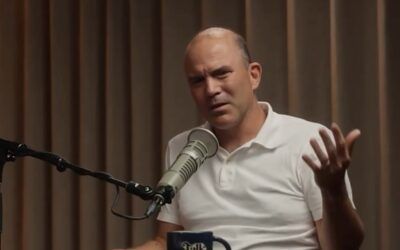
Critics of the DOJ response erupted almost immediately. Legal commentator Michael Popok argued the filing amounted to the administration effectively telling the court that its public statements should be sufficient and that no additional sworn testimony was required. That’s where this story becomes much bigger than one disputed fund.
At the center of the fight is a familiar Washington question: How much authority does a federal judge have to demand sworn assurances from executive branch officials, and how much can the executive branch push back before it becomes a constitutional showdown?
The administration’s argument leans heavily on separation-of-powers principles. Federal judges oversee court proceedings, but the executive branch has long resisted attempts to compel testimony from senior officials absent extraordinary circumstances.
The judge, meanwhile, appears to be taking a simpler view. This is a courtroom. Courtrooms operate on evidence. Public statements made to Congress, television cameras, or reporters are not the same thing as sworn declarations filed with a federal court. That’s a distinction judges have guarded for generations.
The result is a standoff that increasingly resembles two branches of government speaking entirely different languages.
One side says: “We already told you the fund is dead.”
The other says: “Then put it in writing.”
Whether Brinkema accepts the DOJ’s position or escalates the dispute could determine whether this case quietly fades away or becomes another major separation-of-powers battle in a city already overflowing with them.