One of Washington’s oldest traditions is making a dramatic confession after the statute of political limitations has expired.
For years, Americans watched Joe Biden struggle through speeches, lose trains of thought, wander off script, and deliver performances that left even supporters visibly uncomfortable.
The public asked a simple question: “Are we really supposed to pretend everything is normal?”
The answer from much of the political establishment was immediate. Nothing to see here. Trust the experts. Trust the insiders. Trust the people telling you not to trust your own eyes.
A former Democratic insider says many of those same people privately shared the concerns they publicly dismissed.
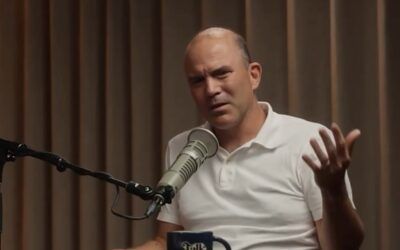
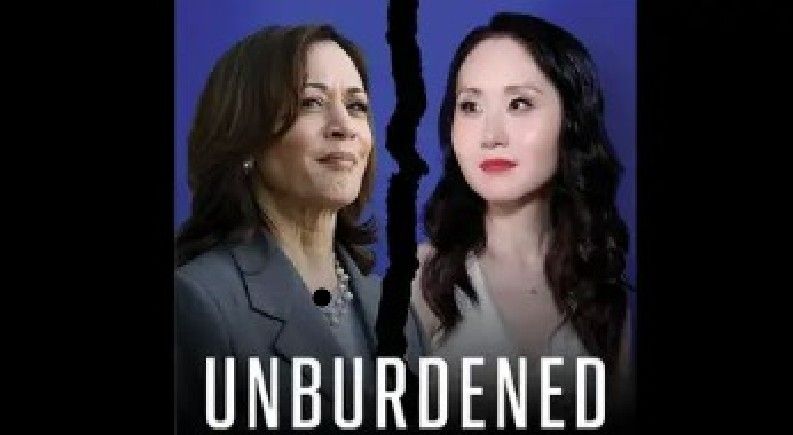
Lindy Li, a former Democratic fundraiser with deep ties inside the party’s donor network, says her upcoming book Unburdened will identify political figures who allegedly knew Biden’s condition was becoming a serious issue long before they admitted it publicly.
According to Li: “Whatever was out there, it wasn’t the truth. They wanted him to go, and also in my book, I will be telling people exactly who was aware of Biden’s cognitive decline but pretended otherwise.”
If that’s true, the story isn’t Biden. The story is everybody around him. Because millions of Americans had already reached their own conclusions by the time the disastrous 2024 debate forced Democrats into panic mode. The bigger question has always been whether party leaders, donors, consultants, elected officials, and friendly media figures were privately discussing one reality while presenting voters with another.
Li suggests that’s exactly what happened.
She claims prominent Democrats expressed concerns behind closed doors while continuing to defend Biden in public. Among those she references is Senator Adam Schiff.
“I remember getting a text from Schiff.”
Li says the details appear in her book and insists that while Schiff publicly supported Biden for much of the campaign, he privately wanted him replaced. A spokesperson for Schiff notes that the senator eventually called on Biden to step aside following the debate, arguing his concerns were made public at the time. But Li’s broader allegation extends well beyond Schiff.
She argues that many Democrats remained silent not because they lacked concerns, but because they feared the consequences of speaking honestly. “They didn’t want to get ostracized by the party.”
Then she delivered perhaps the most revealing explanation of all: “It’s like the axiom: you come at the king; you better not miss. Everyone would have missed.”
In other words, this wasn’t about loyalty to Biden. It was about survival.
According to Li, internal polling convinced many ambitious Democrats that challenging Biden would have been politically suicidal. Potential rivals looked at the numbers, looked at the power structure protecting him, and decided discretion was the better part of valor. “There are many candidates who polled themselves against Biden and then realized that they couldn’t beat him in a primary.”
And then came the line that may explain the entire saga: “It wasn’t a matter so much of anti-Trumpism. It was self-interest.”
That’s a brutal assessment.
Because if Li is right, many of the people now expressing concern weren’t courageously standing by Biden out of conviction. They were protecting careers, alliances, donor relationships, and future opportunities.
Li also claims unpublished polling showed Vice President Kamala Harris was viewed internally as a weak alternative long before Biden exited the race. “She was the weakest candidate in the field.”
If true, that would help explain why Democrats appeared trapped. They reportedly had concerns about Biden but little confidence in the available alternatives.
Yet Li insists there was another factor at work that can’t be measured in polling data. Joe Biden himself. Despite everything, she describes him as personally likable and deeply loyal to longtime allies. “There’s something about Joe Biden. He was incredibly kind.”
And perhaps that’s what makes this story more complicated than a simple political cover-up. Politics is ruthless. Relationships are personal. Many Democrats may have genuinely liked Biden while simultaneously worrying about his ability to continue.
The problem is that voters weren’t hearing those concerns. They were hearing assurances.
Now, with the election behind us and a flood of books, interviews, and insider accounts hitting the market, the questions that were once dismissed are suddenly being asked openly.
Who knew? When did they know it? And why did so many people spend years insisting everything was fine if so many insiders privately believed otherwise?
Lindy Li promises her book will provide answers. If she has the receipts, Washington may be about to experience one of its favorite traditions:
Everyone who said nothing suddenly explaining what they knew all along.