White House task force reportedly assembling intelligence records tied to 2020 election review
WASHINGTON — A White House task force is reportedly collecting thousands of documents from federal intelligence and law enforcement agencies as part of a broader effort to review information related to the 2020 presidential election and other matters involving government conduct.
According to a report by NBC News, the initiative involves records from multiple agencies, including the CIA, National Security Agency, Office of the Director of National Intelligence, FBI and Department of Justice.
The effort is said to be examining materials related to election administration, alleged ballot irregularities, voting systems and other issues that have remained the subject of political debate since the 2020 election.
NBC reported that lawyers and advisers associated with the project have spent months reviewing documents for possible declassification and public release.
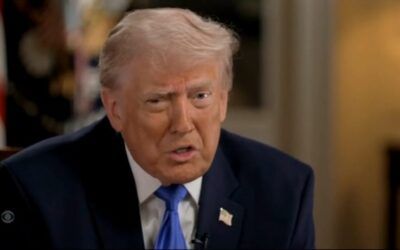
A White House official defended the effort, telling NBC News: “As the most transparent president in history, President Trump is totally committed to sharing as much information with the public as possible. The administration will continue delivering on the president’s promise of unprecedented transparency.”
The reported review comes alongside other investigations already underway within the Justice Department involving questions surrounding government actions, election-related matters and allegations of political weaponization.
Among those reportedly involved in the project is journalist John Solomon, who recently announced that he would temporarily step away from his role at Just the News to assist the administration in an unpaid capacity.
Solomon said his work would involve identifying records connected to government weaponization, election integrity concerns and other matters that could be released to the public.
BREAKING: @jsolomonReports to temporarily step aside in role as editor-in-chief to assist the government in identifying classified or withheld documents concerning weaponization and election integrity. @AmandaHead pic.twitter.com/Y8tqFQBeHO
— Just the News (@JustTheNews) June 18, 2026
According to NBC’s reporting, members of the task force have been encouraged to minimize redactions whenever possible, potentially allowing more names and details to remain visible in released documents.
Supporters of the initiative argue that additional transparency could help answer lingering questions about government actions and election administration.
Critics, meanwhile, contend that years of investigations, audits, recounts and court proceedings have not produced evidence of widespread fraud sufficient to alter the outcome of the 2020 presidential election.
President Donald Trump has continued to maintain that serious irregularities affected the election, a position he has held since the contest was certified following Joe Biden’s victory.
The White House has not publicly detailed what specific records may ultimately be released or when any declassification process could be completed.
For now, the reported effort appears focused on gathering, reviewing and evaluating large volumes of intelligence and law-enforcement records before determining what information can be made public.
One thing is undeniable: six years after the 2020 election, the story still refuses to die. Most political controversies fade with time. This one seems to generate new chapters every year.
The administration’s argument is straightforward. If government agencies possess records related to election security, intelligence assessments, investigations or internal deliberations, why shouldn’t the public see as much of that information as possible?
That’s a position many Americans instinctively support. Transparency is generally easier to sell than secrecy.
The challenge, of course, is what happens after the documents are released.
Supporters will search for evidence that validates long-held concerns. Critics will scrutinize the same records looking for proof that nothing significant was hidden.
In Washington, documents rarely settle arguments. More often, they create entirely new ones.
The question is whether those records contain genuinely new information or simply provide another round of ammunition in a political battle that has already lasted the better part of a decade.
If the administration ultimately declassifies large amounts of material, expect headlines, congressional hearings, television specials, social-media wars and enough competing interpretations to keep political commentators employed for years.
Washington’s favorite pastime — relitigating old fights — may be about to get a fresh stack of paperwork.
BS WIRE SOURCES:
- White House Task Force Gathering Thousands of Intelligence Documents to Boost Trump Election Fraud Claims: Report (Mediaite)
- White House task force gathering thousands of pages of intelligence documents to bolster Trump’s election claims (NBC News)
- Task Force Aims to Boost Trump’s Election Claims (Political Wire)
- Trump says his acting spy chief is free to declassify records, including on the 2020 election (Reuters)
- White House task force aims to boost Trump’s election claims (NBC News social post)