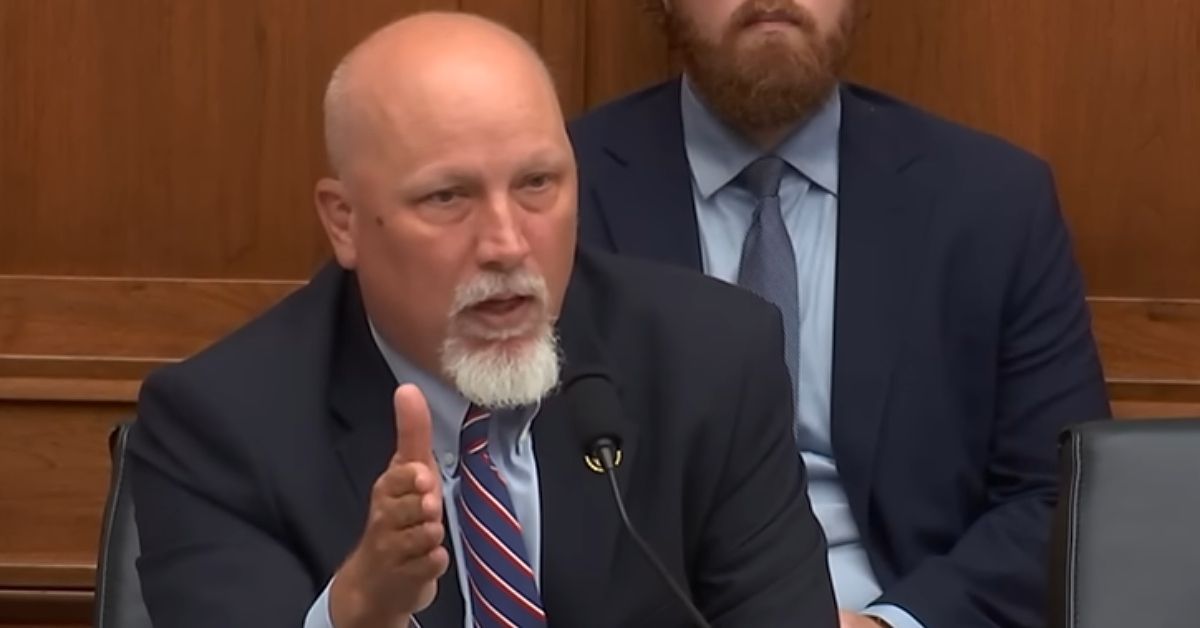

Rep. Chip Roy is once again pushing Congress to take direct action on immigration, arguing that lawmakers have spent too many years allowing loopholes, executive actions, and court battles to dictate policy while the border crisis continues to reshape the country.
The Texas Republican delivered a forceful message this week amid renewed debate over birthright citizenship, birth tourism, asylum abuse, and the federal government’s authority to control immigration.
Roy’s comments come as the Trump administration continues pursuing a tougher immigration agenda and after recent legal battles reignited national discussion about the meaning of citizenship under the 14th Amendment.
For years, Roy has argued that Congress—not activist courts, federal agencies, or future administrations—should establish clear statutory guardrails governing immigration enforcement and border security.
“We better fix this. This Congress better fix (birthright citizenship). I have no interest in funding the operations of a government that has been undermined by this United States Supreme Court.” https://t.co/CMf7DBQYx3
— Chip Roy (@chiproytx) July 1, 2026
His latest remarks focused on what conservatives view as longstanding abuses involving birth tourism, parole programs, catch-and-release policies, and asylum claims that often allow migrants to remain in the United States for years while cases work through overwhelmed immigration courts.
Conservatives have increasingly pointed to federal prosecutions involving organized birth tourism operations, particularly in California, where authorities have previously charged operators accused of helping foreign nationals enter the country to give birth and secure U.S. citizenship for their children.
Roy has repeatedly argued that the immigration debate extends beyond border crossings and encompasses broader questions of national sovereignty, citizenship, and congressional authority.
The congressman has also been among the most vocal advocates for making Trump-era enforcement policies permanent through legislation rather than relying on executive orders that can be reversed by future administrations.
The renewed debate follows several years of escalating political conflict over immigration, with Republicans pointing to border security, cartel activity, human trafficking, and illegal crossings as evidence that the system requires structural reform rather than temporary administrative fixes.
Roy’s core message remains unchanged: Congress should stop outsourcing immigration policy to the courts and start writing laws that can survive changes in administration.
Whether lawmakers have the votes to enact those changes remains an open question, but immigration continues to rank among the most important issues for Republican voters heading into the next phase of Trump’s second term.
As the legal battles continue, pressure is growing on Congress to decide whether it wants to remain a spectator—or become a participant—in one of the defining policy fights of the era.
Why is it so hard for Washington to enforce laws that already exist? That’s the frustration Chip Roy is channeling.
For years, politicians promised border security. Then came the carve-outs, the loopholes, the executive workarounds, the temporary programs that somehow became permanent, and the endless legal fights that left ordinary Americans wondering whether anyone was actually in charge.
Roy’s argument is that Congress has spent too much time passing the buck.
Immigration policy has increasingly become a tug-of-war between presidents, federal agencies, judges, and advocacy groups. Meanwhile, lawmakers often campaign on the issue but struggle to produce lasting legislative solutions.
The birthright citizenship debate is a perfect example. People can disagree about constitutional interpretation. They can disagree about the scope of the 14th Amendment. They can disagree about what reforms would survive judicial review. But pretending there aren’t legitimate concerns about birth tourism, border security, and abuse of immigration systems isn’t a serious answer either.
Most Americans are not immigration lawyers. They’re not policy wonks. They simply want a system that is orderly, predictable, and enforced consistently.