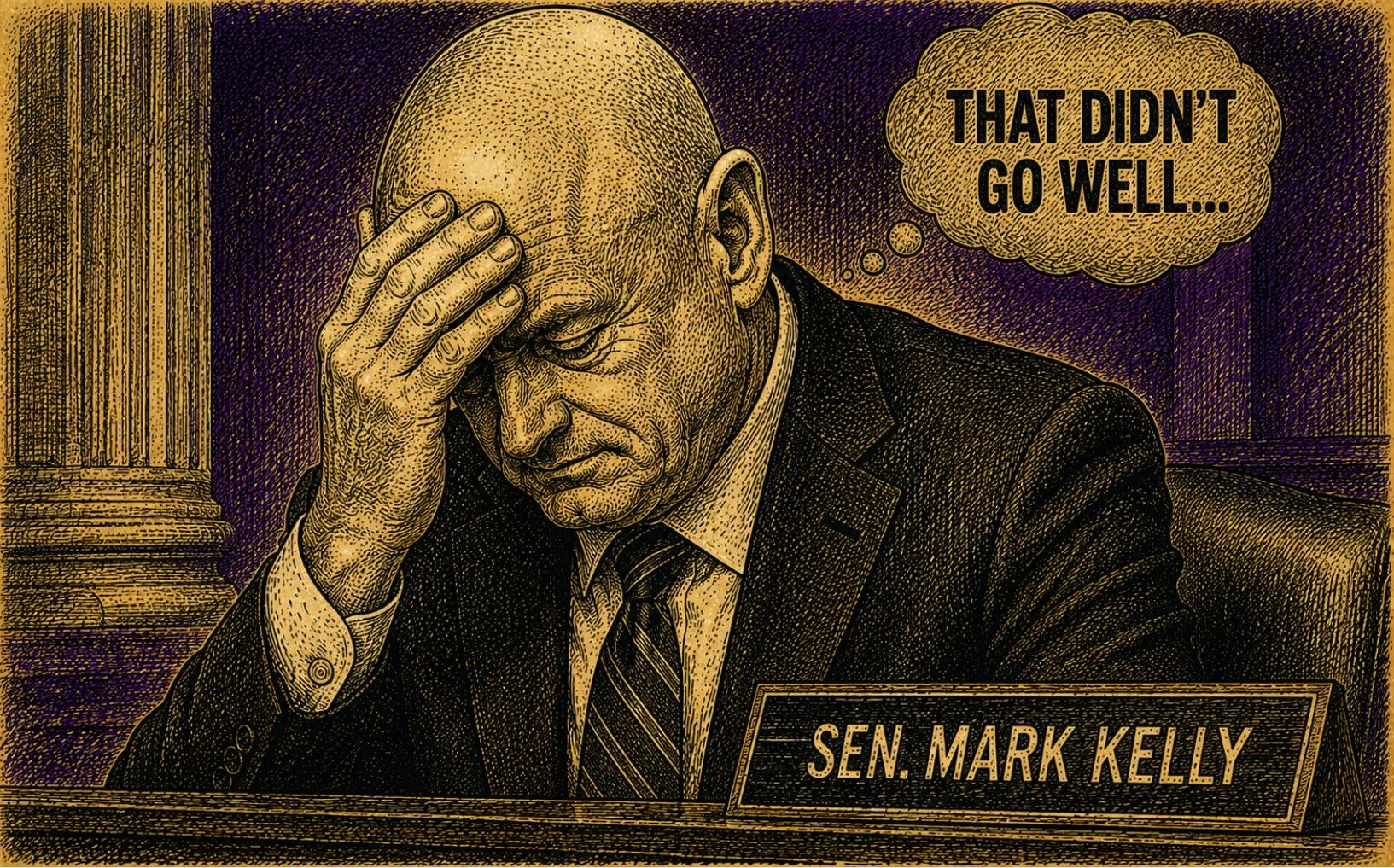
Sen. Mark Kelly thought he was sounding the alarm. Instead, he may have reignited one of the biggest political questions heading into the 2026 midterms.
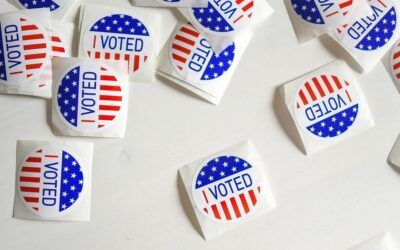
The Arizona Democrat is facing sharp criticism after warning that President Donald Trump could use federal personnel to “intimidate voters” at polling places, a claim Kelly says justifies new legislation restricting the deployment of military personnel and federal law enforcement near election sites.
“The idea that a president would send troops to polling places to intimidate voters is un-American and illegal,” Kelly wrote on social media. “I introduced legislation to make sure Trump can’t get around that.”
The comments refer to the Protect Our Polls Act, legislation introduced by Kelly and other Senate Democrats that would require congressional approval before military personnel or certain federal law enforcement resources could be deployed near polling locations.
The bill comes amid months of Democratic concern over speculation that Immigration and Customs Enforcement agents could be used near polling places during the 2026 midterms. Those fears intensified after comments from Trump allies earlier this year, though the White House has repeatedly stated there are no formal plans to deploy ICE at polling locations.
That’s where Kelly’s warning ran into trouble.
Conservatives immediately seized on his wording, arguing that lawfully registered American citizens should have no reason to fear immigration enforcement officers. “What voters are being intimidated?” became a recurring question across social media.
The debate quickly merged with another major election issue, the SAVE America Act, legislation designed to require proof of citizenship for federal voter registration. Republicans have argued that such measures are basic election integrity safeguards, while Democrats contend they could create obstacles for some eligible voters.
The political optics have become increasingly difficult for Democrats.
On one hand, many Democratic lawmakers are opposing stricter citizenship verification requirements while simultaneously warning about immigration enforcement near polling locations. On the other hand, Republicans are framing the issue as a straightforward question of election security and citizenship verification.
Several Democrat-led states have already pursued legislation aimed at restricting federal immigration enforcement near polling sites. California, Connecticut, New Mexico and other states have cited concerns about voter intimidation, while critics have accused those states of manufacturing hypothetical scenarios to justify new election laws.
Democrats are struggling to find a unified message on immigration, border security and election integrity—issues where polling has increasingly favored Republicans.
The result is a political argument that isn’t likely to disappear anytime soon.
Because every time Democrats warn about ICE being near polling locations, millions of Americans ask the same simple question; who exactly are they worried about?
Sometimes politicians accidentally tell you more than they intended. This may be one of those moments.
Mark Kelly says he’s worried about voters being intimidated by ICE. Fine. Let’s walk through that together. An American citizen gets up in the morning, drives to a polling place, presents identification where required, casts a legal ballot and goes home. Why would that person be afraid of ICE? Seriously. What exactly is the concern?
The average law-abiding American citizen isn’t worried that Immigration and Customs Enforcement is going to leap out from behind a shrubbery and demand proof that Grandma from Phoenix was born in Phoenix.
Yet every time this debate comes up, Democrats start speaking in oddly vague terms. They don’t say citizens. They don’t say legal voters. They say “voters.” Just voters. Very interesting.
Now, let’s be fair. Nobody wants armed personnel creating chaos at polling places. Elections should be orderly, transparent and free from intimidation. But let’s also remember something. The same political party currently warning us about hypothetical intimidation spent years telling Americans that requiring proof of citizenship to vote was somehow controversial. That’s where the public starts scratching its head. If only citizens can legally vote, then proving citizenship shouldn’t be treated like some radical attack on democracy.