BS BREIF:
- President Trump announced a “FULL Blockade” targeting ships tied to Iranian ports or Iranian cargo while declaring the Strait of Hormuz open to all other international shipping.
- Trump abandoned his proposed 20% Hormuz transit fee and replaced it with what he described as “MASSIVE” trade and investment agreements from Gulf allies into the United States.
- After another round of U.S. strikes inside Iran and Iranian retaliation against American facilities in the region, Trump warned Tehran that its path leads to “TOTAL DESTRUCTION” if aggression continues.
Trump throws down the gauntlet: Hormuz open for the world, closed for Iran
President Donald Trump escalated America’s pressure campaign against Iran on Tuesday night, announcing that the Strait of Hormuz—the world’s most critical oil shipping chokepoint—would remain open to global commerce while Iranian shipping faces what amounts to an economic quarantine.
In a lengthy Truth Social post, Trump declared victory in restoring freedom of navigation through the strategic waterway and unveiled a new policy aimed squarely at Tehran’s economic lifeline.
“We will therefore have a FULL Blockade, but only on Ships coming to and from Iranian ports, or carrying anything have to do with Iranian cargo,” Trump wrote.
The move follows days of escalating military action between the United States and Iran, including fresh American strikes on military targets across Iran and retaliatory attacks by Tehran against U.S. facilities and allied interests throughout the Gulf region. Iranian media reported casualties from the strikes while U.S. officials described operations targeting military infrastructure tied to Iran’s ability to threaten commercial shipping.
For months, the Strait of Hormuz has been at the center of a dangerous standoff. Roughly one-fifth of the world’s oil supply normally passes through the narrow waterway, making it one of the most strategically important locations on Earth. Shipping traffic has been disrupted repeatedly amid attacks, threats and competing claims of control.
Trump’s announcement also marks a dramatic reversal from a proposal he floated just 24 hours earlier.
The president had previously suggested a 20% “reimbursement fee” on cargo moving through the strait, arguing that the United States was bearing the burden of protecting international shipping lanes. Critics immediately questioned how such a fee could be enforced and whether it would violate established maritime law.
On Tuesday, Trump scrapped the idea. “Based on highly productive conversations with Middle East leadership, I have decided to replace the 20% United States Reimbursement Fee with Trade and Investment Deals that the various Gulf States will be making into the United States,” Trump wrote. He added that those investments would be “MASSIVE.”
The announcement reflects what appears to be a broader Trump administration strategy: isolate Iran economically while strengthening ties with Sunni Arab allies that have grown increasingly frustrated with Tehran’s regional aggression.
Trump’s rhetoric was vintage Trump—direct, unapologetic and impossible to misunderstand. “The days of Iran killing hundreds of thousands of people, including 52,000 protestors, are OVER,” the president declared.
“IRAN WILL NEVER HAVE A NUCLEAR WEAPON!”
Meanwhile, U.S. Central Command’s renewed blockade operations reportedly involve significant naval and air assets throughout the region. Military analysts say the objective is straightforward: allow global trade to move freely while preventing Iran from profiting from maritime commerce or threatening international shipping.
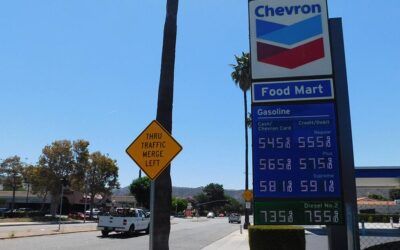
Iran, for its part, continues to threaten broader retaliation. Officials in Tehran have warned they could move to disrupt energy exports throughout the region if the blockade remains in place. Those threats have rattled energy markets and pushed oil prices higher as traders assess the risk of a wider conflict.
For now, the administration’s message appears simple, the world can trade, the world can ship, and the world can move oil through Hormuz—but Iran will not be allowed to hold the global economy hostage.