BS BRIEF:
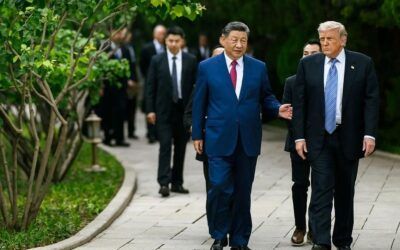
- President Trump used a primetime White House address Thursday night to accuse China of interfering in the 2020 election and announced the release of declassified intelligence documents related to election security concerns.
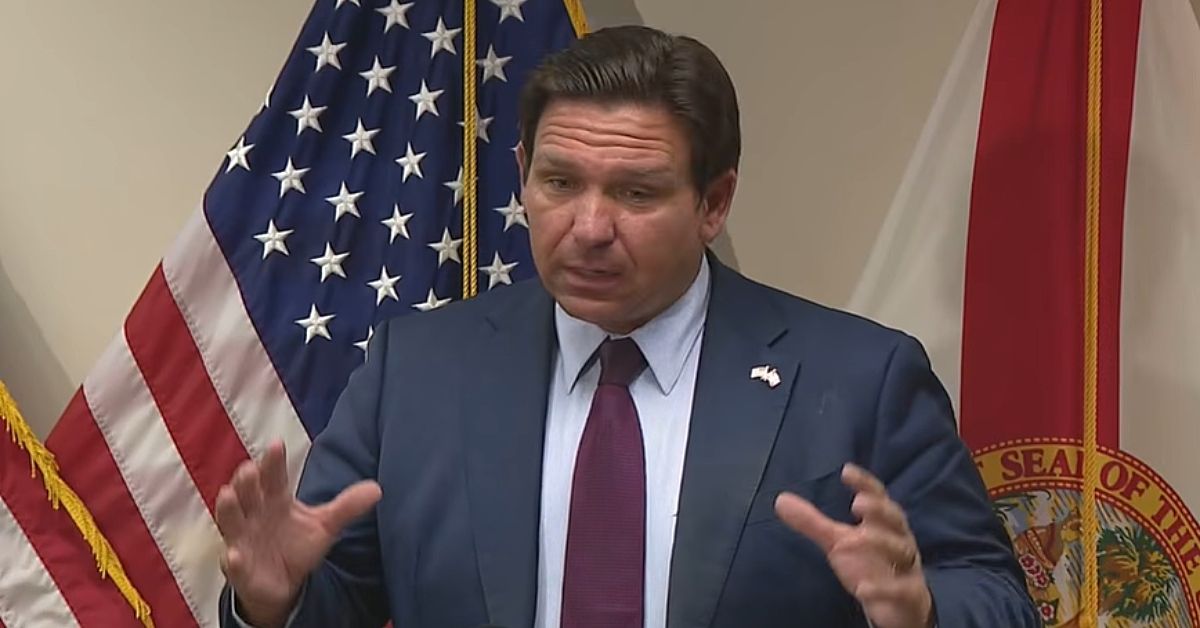
- Florida Gov. Ron DeSantis responded by renewing calls for a dramatic reduction in Chinese student visas, arguing that American universities have become vulnerable to Chinese Communist Party influence and espionage.
- The debate comes as the Trump administration continues broader efforts to tighten scrutiny of Chinese students and researchers working in sensitive academic and technological fields.
AFTER TRUMP’S CHINA BOMBSHELL, DESANTIS CALLS FOR END TO CCP STUDENT VISAS
President Donald Trump’s explosive primetime address on election security is already reshaping the political conversation, and Florida Gov. Ron DeSantis wasted little time offering what may be one of the most aggressive responses yet.
After Trump accused China of interfering in the 2020 election and alleged that Beijing obtained massive amounts of American voter data, DeSantis argued that Washington needs to stop treating Chinese access to American universities as business as usual.
The governor’s proposal was straightforward. Pull the plug on Chinese Communist Party access to America’s higher education system by revoking student visas connected to the CCP and dramatically tightening entry into sensitive academic programs.
Time to yank CCP student visas, which are hundreds of thousands a year. https://t.co/9E8JkkGxna
— Ron DeSantis (@RonDeSantis) July 17, 2026
The argument is hardly new in national security circles. For years, intelligence officials, lawmakers, and federal investigators have warned about Chinese efforts to obtain American research, intellectual property, military-adjacent technology, and strategic information through university partnerships and academic exchanges. Previous federal actions have already targeted students and researchers believed to have ties to China’s military establishment.
Trump’s Thursday night address poured gasoline on that debate. “Tonight, I’m announcing the immediate declassification and release of critical intelligence,” the president said while unveiling documents he argued reveal significant vulnerabilities in America’s election infrastructure. Trump further claimed that China gained access to voter registration data involving roughly 220 million Americans and alleged that critical information was withheld from public scrutiny.
China quickly rejected the allegations. Chinese Foreign Ministry spokesman Lin Jian called the accusations “entirely fabricated” and insisted Beijing has never interfered in American elections.
The dispute arrives amid growing tensions over China’s influence operations inside the United States.
Federal agencies have spent years warning universities about foreign recruitment programs, technology transfer risks, research theft, and espionage concerns. In 2020, the Trump administration revoked visas for more than 1,000 Chinese students and researchers believed to have connections to the People’s Liberation Army. More recently, Secretary of State Marco Rubio announced plans to aggressively scrutinize and revoke visas involving individuals linked to the CCP or sensitive research fields.
Supporters of DeSantis’ proposal argue that universities have been slow to recognize the scale of the problem.
Could not agree more @GovRonDeSantis https://t.co/jt5lUXBBkV
— Rep. Anna Paulina Luna (@RepLuna) July 17, 2026
DBS WIRE SOURCES:
- Twitchy — Trump Calls Out China’s 2020 Election Interference — DeSantis Drops Hammer: Yank All CCP Student Visas
- New York Post — Trump reveals China stole voter registration data from 220 million Americans in primetime speech
- Reuters — Trump puts election security at center of Republicans’ midterm fight
- Associated Press — China rejects Trump’s election interference claim as groundless accusations
- Higher Ed Dive — Trump administration to aggressively revoke Chinese student visas
- Reuters — Trump alleges China committed interference in 2020 election