BS BULLETIN
- 128 former state and federal judges filed a Florida Bar complaint against DHS General Counsel James Percival over his “Worst of the Worst” posts targeting judges who ruled against Trump immigration policies.
- Percival says he’s exposing a small group of repeat judicial activists, not attacking the judiciary as a whole.
- After the complaint landed, Percival didn’t retreat. He announced a proposed “Justice Peggy Quince Lifetime Achievement Award for Worst of the Worst Judging.”
Apparently the newest ethical hazard in Washington is criticizing federal judges with insufficient politeness.
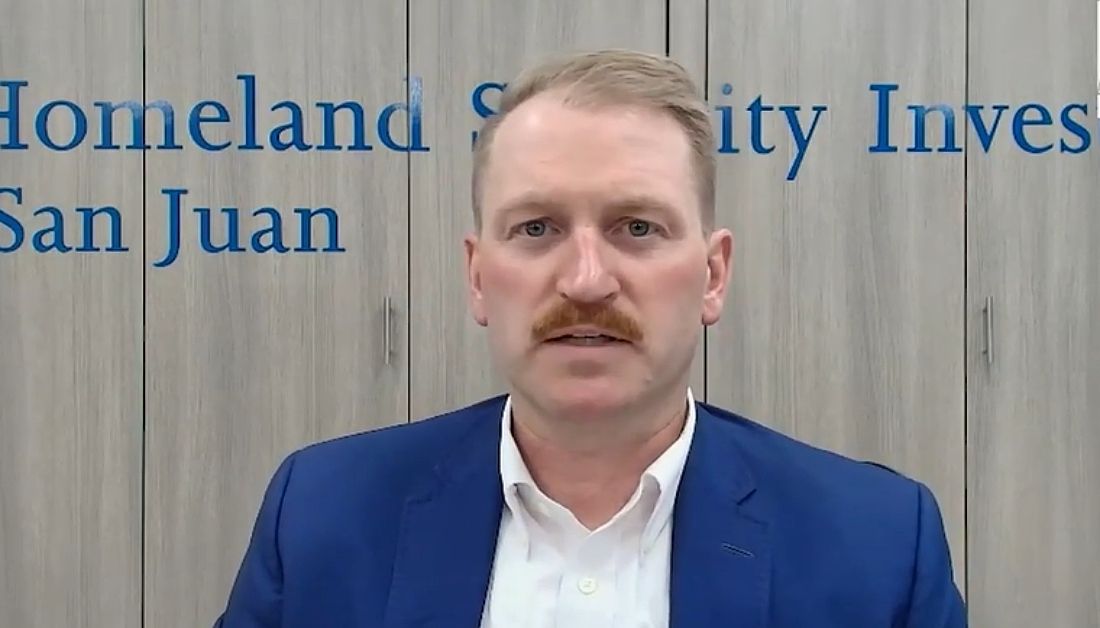
James Percival, general counsel of the Department of Homeland Security, is facing a complaint filed with the Florida Bar by 128 former state and federal judges, along with Democracy Defenders Fund and Lawyers Defending American Democracy.
His alleged offense? Percival has been publicly naming federal judges whose rulings he believes have obstructed the Trump administration’s immigration enforcement efforts — and he hasn’t exactly been using language borrowed from a Hallmark card. His social-media series is called: “Worst of the Worst, District Judge Edition.”
That title deliberately borrows from DHS’s “Worst of the Worst” campaign highlighting criminal illegal immigrants targeted for deportation. The former judges argue Percival crossed the ethical line from criticizing judicial decisions into attacking the integrity of the judges themselves.
Percival? He appears about as intimidated as a Labrador by a parking ticket. After the complaint was announced Wednesday, he posted:
“Notice the resources the Left is putting into silencing me.”
Notice the resources the Left is putting into silencing me. Why? Judicial activism is their golden goose, and they’re afraid if I keep talking about it then it will stop. https://t.co/nwADKG6z4k
— James Percival (@DHSGenCounsel) August 19, 2026
He argued that “judicial activism is their golden goose” and suggested his critics fear that continued public attention might make activist judging stop. Then he went after the complaint’s leading signatory, former Florida Supreme Court Justice Peggy Quince, announcing that he would create a new honor:
“The Justice Peggy Quince Lifetime Achievement Award for Worst of the Worst Judging.”
And yes, he’s accepting nominations. So negotiations appear to be progressing beautifully.
There is a serious legal-ethics question underneath all the political fireworks. Florida’s professional-conduct rules prohibit attorneys from making statements they know are false — or make with reckless disregard for their truth — concerning the qualifications or integrity of a judge.
The complaint argues that Percival violated that rule by accusing judges of things including “judicial sabotage,” “naked politics” and going “rogue.” It calls his posts attacks on sitting judges “based on mischaracterizations of the underlying cases” rather than legitimate criticism of their legal reasoning.
One major example involves U.S. District Judge Matthew Kennelly in Illinois. Percival attacked Kennelly over litigation involving Temporary Protected Status for Burmese immigrants. Percival’s characterization was unequivocal:
“This is judicial sabotage.”
He argued Kennelly had blocked the administration despite Supreme Court action on TPS and despite an earlier appellate reversal involving the same issue. Percival told Fox News that judges such as Kennelly are engaging in conduct that the American public needs to know about.
“There are particular judges who are a problem in case after case after case.”
He insists his campaign isn’t directed at the federal judiciary generally. Quite the opposite, he says.
Percival’s argument is that most federal judges follow the law, while a small number repeatedly interfere with executive authority and generate headlines that make it appear the entire judiciary is at war with the administration.
The former judges filing the complaint say Percival’s description of Kennelly’s actions leaves out critical legal context. They argue Kennelly used an ordinary administrative stay to maintain the status quo while lawyers briefed issues that remained unresolved after Supreme Court action. “There is simply no objective factual support,” they contend, for describing that as “judicial sabotage.”
They make a similar argument regarding U.S. District Judge Allison Burroughs in Massachusetts, whom Percival accused of using a “deliberately sluggish” schedule in another TPS dispute. The complaint says there’s no evidence Burroughs intentionally slowed the case to frustrate immigration enforcement.
Lawyers are unquestionably allowed to criticize judges. They can argue that a judge got the law wrong. They can argue an opinion should be reversed. The ethics question is whether Percival went further and made unsupported allegations about the integrity and motives of judges.
That’s what the Florida Bar will have to consider.
Percival has been defending his campaign for weeks.
Many people are reaching out demanding I stop tweeting about judicial activism. The tweets will continue until the activism stops. And the whining will only make me tweet harder!
— James Percival (@DHSGenCounsel) August 11, 2026
In an interview with Fox News Digital last month, he said Americans often hear that “the courts” are stopping Trump without realizing that many of the administration’s recurring problems come from a relatively small collection of district judges. He also blamed strategic forum shopping by progressive litigants.
“They do it to get the same judges over and over and over again.”
Percival cited U.S. District Judge Brian Murphy in Massachusetts as another example. Murphy had issued orders involving the administration’s attempts to remove migrants to third countries such as South Sudan. The Supreme Court subsequently allowed the administration to proceed, and Percival argues Murphy continued pushing against the high court’s direction.
Percival even invoked liberal Supreme Court Justice Elena Kagan to make his point, saying she agreed that a district judge couldn’t defy the Supreme Court merely because he disagreed with its ruling.
His broader argument is simple: These judges have enormous power. They’re unelected. They’re appointed for life. And therefore their decisions aren’t somehow exempt from aggressive public criticism simply because they wear robes.
The judges say there’s a difference between criticism and targeting. That’s where Percival’s critics draw the line.
Federal judges Esther Salas and Beth Bloom publicly criticized the campaign earlier this month. Salas has a particularly horrifying personal history with judicial violence: her 20-year-old son, Daniel Anderl, was murdered in 2020 when an attacker came to the family’s home posing as a delivery driver.
Her message was:
“Criticize us on the merits, appeal us, but stop villainizing and demonizing my colleagues please.”
Bloom called Percival’s posts an “intimidation tactic” and argued that publicly naming judges as the “Worst of the Worst” can have consequences beyond ordinary political debate.
That’s not an argument conservatives should dismiss casually. Threats against judges are real. Judges and their families shouldn’t face intimidation or violence because somebody doesn’t like a ruling. Period.
But judicial independence does not mean judicial immunity from criticism. Federal judges exercise extraordinary power over American public policy. Their decisions can stop presidents, block laws enacted by Congress and prevent executive agencies from carrying out policies.
That makes scrutiny of their decisions not merely permissible. It’s necessary. The dispute is over where legitimate scrutiny ends and unethical personal attack begins.
And Percival isn’t backing away an inch.
What’s particularly striking about Wednesday’s complaint is Percival’s reaction. There wasn’t one of those familiar Washington statements: I respect the process and look forward to resolving this matter.
Nope. Instead, he immediately portrayed the complaint as an attempt by the political left to shut him up. And then he proposed naming an award for terrible judging after the former Florida Supreme Court justice leading the complaint against him.
In honor of former Florida Supreme Court Justice Peggy Quince, who just filed a bar complaint against me for calling out judicial activism, I will be creating a new award. The award is called the Justice Peggy Quince Lifetime Achievement Award for Worst of the Worst Judging. I am…
— James Percival (@DHSGenCounsel) August 19, 2026
There are people who respond to incoming fire by ducking. James Percival apparently responds by ordering more ammunition.
MY QUICK TAKE
Fine.
Respect the judiciary.
But apparently “respect” now means don’t criticize the judge too enthusiastically or 128 retired judges may call the Bar Association.
Folks, judges are not woodland creatures. They’re federal officials wielding enormous government power. If a judge can tell the President of the United States what he cannot do, I think the American people are allowed to know the judge’s name and discuss whether the ruling makes any earthly sense.
Now, I wouldn’t have called the feature “Worst of the Worst.”
I would have called it: “YOUR HONOR, WHAT THE HELL?”
Much friendlier.
And I understand Judge Salas’s concern. What happened to her family was monstrous. Threatening judges is despicable, and no public official should knowingly encourage violence against anybody.
But criticizing a judge isn’t threatening a judge. Calling a ruling “crazy” isn’t violence. Calling something “judicial activism” isn’t intimidation. And criticizing the motivations behind judicial decisions is hardly an innovation invented by Donald Trump’s DHS.
Does anyone remember what was said about Clarence Thomas? Samuel Alito? Brett Kavanaugh? Amy Coney Barrett?
We had protesters outside Supreme Court justices’ homes, for crying out loud. One man was arrested near Kavanaugh’s home with weapons after telling authorities he intended to kill the justice.
So forgive me if I don’t immediately faint onto the chaise longue because James Percival typed “Worst of the Worst” on X.
The Florida Bar can examine whether Percival made knowingly false factual claims about particular judges. That’s a legitimate ethics question. But if the complaint boils down to: He said mean things about judges! Then I have some terrible news for America’s legal establishment. The First Amendment does not come with a robe exemption.
And Percival’s response to the complaint tells me he’s probably not spending tonight composing an apology. He just created the Peggy Quince Lifetime Achievement Award for Worst of the Worst Judging. Somewhere in Florida, a Bar investigator just sighed and opened a much larger file.
(Video: Fox News Digital)
- The Hill — Top DHS lawyer faces bar complaint over ‘worst of the worst’ list for judges
- Fox News — ‘Worst of the Worst’ judges are sabotaging Trump’s immigration agenda, top DHS official says
- New York Post — DHS eviscerates media for ‘absolute absurdity’ over concern about ‘worst of the worst’ activist judges list
- Democracy Defenders Fund — DDF, LDAD, and 128 former judges call for investigation into DHS general counsel