

BS BULLETIN
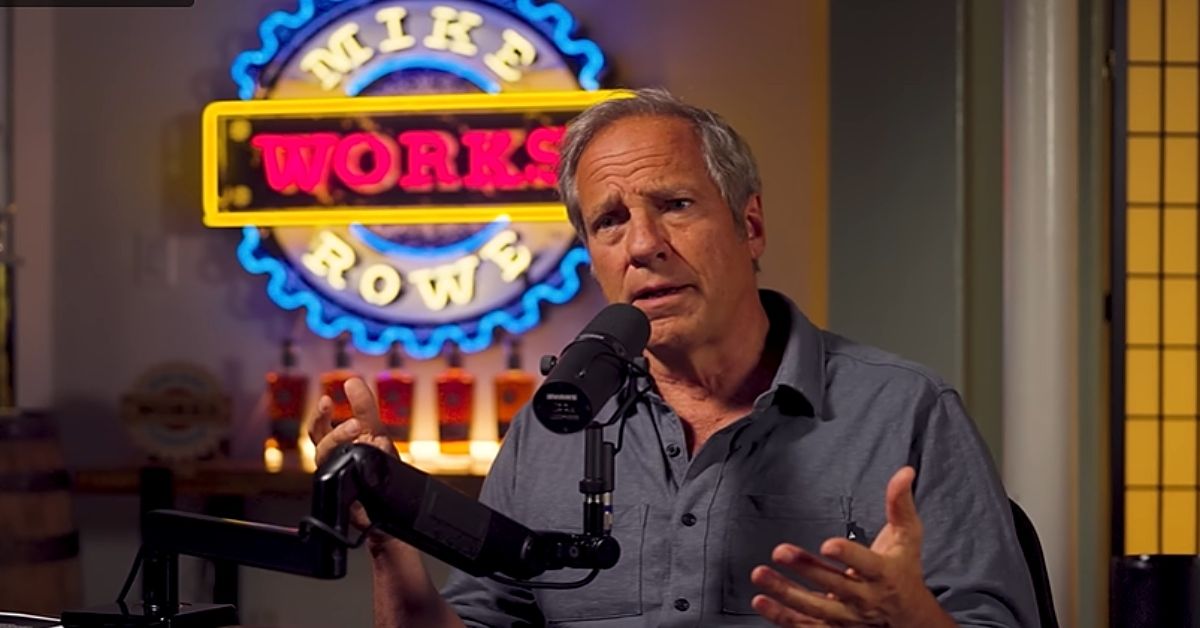
- Mike Rowe says CEOs are struggling to recruit skilled workers and companies are competing for the same talent.
- He described three electricians under 30 earning more than $240,000 each—an exceptional example, not typical pay.
- Employers are funding training while an industry report warns the pipeline is falling short.
Apparently, you cannot build America’s future entirely out of college brochures and inspirational speeches about innovation. Somebody still has to wire the building.
Mike Rowe says business leaders are “freaking out” over recruiting barriers. In remarks reported Monday by FOX Business, the mikeroweWORKS Foundation chief described fierce competition for skilled workers—and an encounter at a Plano data center that ought to get parents’ attention.
“Met three electricians, all under 30, all making over $240,000 a year, all poached three times in the preceding 18 months from other projects,” Rowe said.
Three young electricians. Serious money. Employers chasing them. That is a rather different picture from the idea that working with your hands means you somehow failed to find a respectable career.
Mike Rowe says he visited a Texas data center and met three “debt-free” electricians under 30 making “north of $240,000/year.”
All three have been “poached” three times in the last 18 months because the demand for electricians is crazy high.
ROWE: “I was in Plano, Texas… got a tour of a data center.”
“I ran into three electricians, all under 30, all making north of 240 grand a year, all debt-free.”
“Now here’s the craziest part. All three had been poached three times in the prior 18 months.”
“The shortages are so acute that the companies don’t have time to train. They have to poach.”
“Great news for an electrician. But it’s a little weird for the economy overall.”
— The Vigilant Fox 🦊 (@VigilantFox) July 8, 2026
Rowe cautioned that the example was not representative of everyone. Pay depends on the worker, employer and location. The national median annual wage for electricians was $63,190 in May 2025, according to the Bureau of Labor Statistics.
The point is that a valuable skill can create opportunity and bargaining power. A six-figure anecdote is interesting; a career with durable demand is more important.
BLS projects electrician employment will grow 9% from 2025 to 2035, compared with 3% across all occupations, with about 72,700 openings annually. Many openings will involve replacing workers who retire or move into other occupations. The agency also identifies AI-driven electricity demand and data-center construction as sources of opportunity.
There is a lovely irony here. The technology everybody describes as replacing workers still needs workers to build the infrastructure that makes it possible.
Employers are responding with more than expressions of concern.
Meta announced America’s Workforce Academy in June, backed by an initial $115 million first-year investment. The company says the program provides free training and guarantees jobs for graduates, with pilot locations in Louisiana, Ohio, Indiana and Texas.
“Workers are actually paid to learn,” Rowe said in Meta’s announcement.
Paid training and a job at the other end. That deserves a place in the career conversation alongside the four-year college pitch.
The wider industry is sounding the alarm, too. A September 30 report from the Alliance for America’s Skilled Trades estimated 1.7 million skilled-trades openings annually through 2035, while training programs produce 55 workers for every 100 needed.
Those are the alliance’s estimates—not 1.7 million jobs currently sitting vacant. But they describe a substantial workforce challenge.
“These careers deserve respect,” Ford CEO Jim Farley said in the report’s announcement.
They also deserve a clear route in. The alliance identified practical barriers such as transportation, childcare and the need to earn a paycheck while training. Recruiting somebody is only part of the job; helping that person finish matters.
Rowe has been making this argument for years. In a September post, he welcomed business leaders’ growing attention to the shortage and called for urgency.
“We need all the big brains on this issue, and we need them working together – yesterday.”
The workers who build, repair and maintain the country have always mattered. The encouraging development is that more employers are putting money behind that recognition.
MY QUICK TAKE
I am all for education. I am also all for asking whether the education somebody is selling you leads anywhere worth going.
The college-or-bust mentality has done young people a disservice. We should celebrate an apprentice mastering a trade with the same enthusiasm we bring to a university acceptance letter.
Conservatives talk about rebuilding American manufacturing, strengthening national defense and producing more energy. Good. Those ambitions require trained people who can actually do the work.
You cannot issue a press release and expect a power plant to assemble itself.
Give young Americans honest choices, practical training and respect for useful work. A diploma can open doors. So can knowing how to build the doors—and the building around them.
DBS WIRE SOURCES
- FOX Business — Rowe’s latest remarks and the Plano electricians example. foxbusiness.com
- Bureau of Labor Statistics — electrician wages, projected growth and annual openings. bls.gov
- Meta — America’s Workforce Academy investment, training and job guarantee. about.fb.com
- Alliance for America’s Skilled Trades via Business Wire/AOL — report, Farley’s response and training barriers. AOL
- Mike Rowe — September post on business leaders and the skills gap.











Machinists are in great demand today. It would appear that young people today eschew working in the field even though earning a six figure income is by no means uncommon.
So
Why are there NO…. Repeat NO electrician jobs in MA …. Around the cape Plymouth,etc
Help Mike !!!
Two things about skilled workers:
Can’t be Off-Shored
Can’t be replaced by AI (SI if not in Commiefornia.)