THE DAILY BS: HOW MUCH CAN YOU HANDLE?
SPARE ME THE BS (I’ve got things to do)
- Rubio says Trump’s Iran war was necessary, even if unpopular.
- Vance blames the war for Republicans’ election disaster.
- Trump backs his decision while admitting Vance had a point about the political cost.
LAY IT ON ME (I’ve got time)
The Republican Party is still counting the political wreckage from last week’s elections, and now two of President Trump’s most prominent lieutenants are offering noticeably different explanations for one of the administration’s biggest decisions.
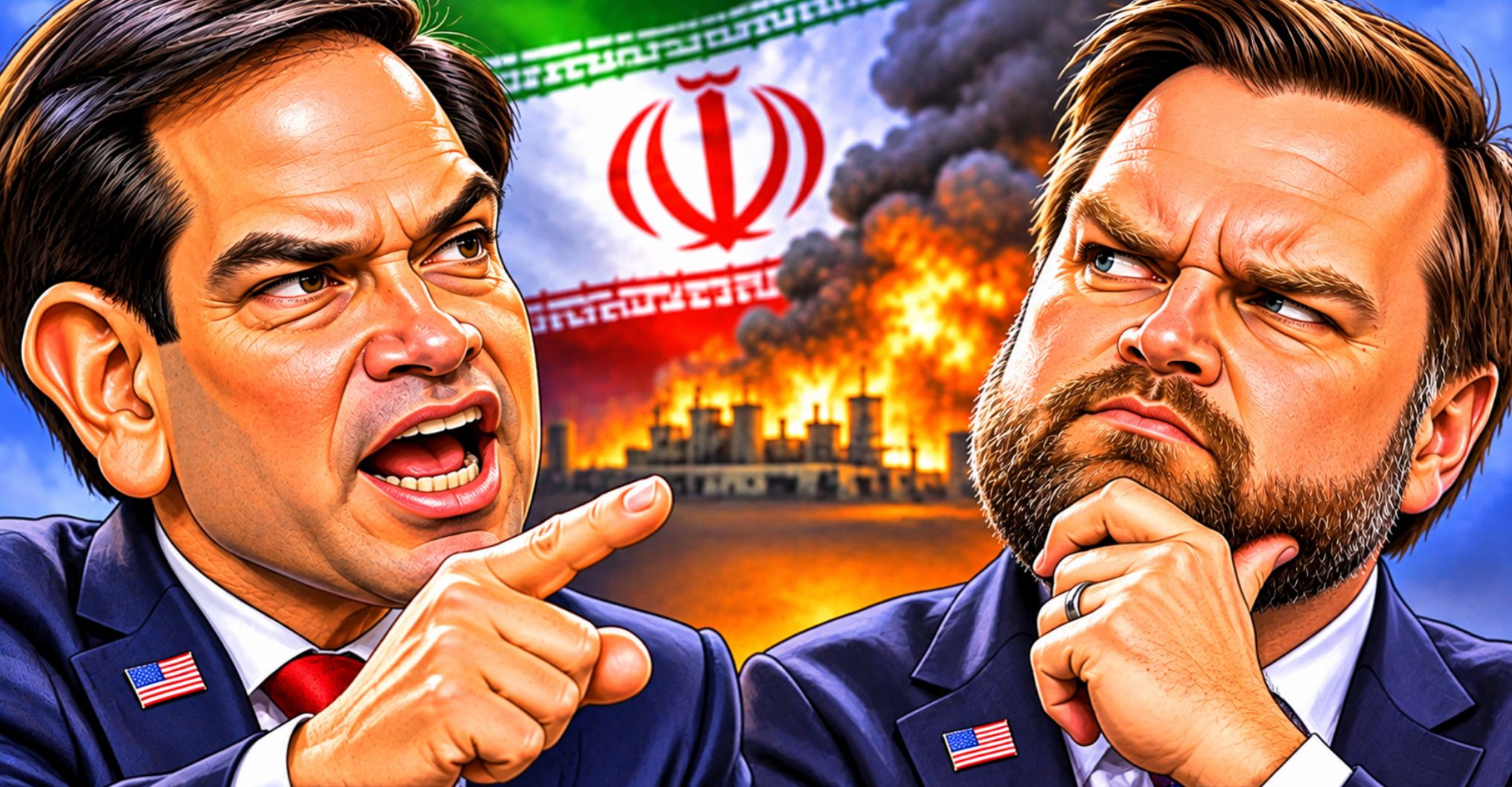
Vice President JD Vance says the Iran war cost Republicans the election. Secretary of State Marco Rubio says the war was necessary, whether voters liked it or not.
And Trump? He believes history will vindicate him.
There is nothing quite like losing both houses of Congress to encourage an administration to discover that everybody has been reading from a slightly different script.
Speaking to reporters Sunday at Homestead Air Reserve Base in Florida before departing for a G7 foreign ministers’ meeting in Paris, Rubio delivered a vigorous defense of Trump’s decision to attack Iran.
Asked about Vance’s criticism of the war’s political consequences, Rubio argued that the president had confronted a genuine national-security threat rather than made a calculation about the next election.
Trump, Rubio said, “identified a very real threat” in Iran.
“He addressed it even though oftentimes the right thing to do for the country — confronting difficult challenges for the security of our country — doing it isn’t necessarily popular, but necessary.”
That’s quite a contrast with what Vance told Republicans after Tuesday’s electoral catastrophe.
“The reason we lost is the war,” Vance wrote on X last Wednesday.
And the vice president didn’t stop there.
“If you’d like to argue it was worth it, that losing the Senate for the next 6 years was worth it, then do so.”
In other words, Vance wasn’t merely complaining about Republican messaging, the campaign’s ground operation or some unfortunate television advertisements. He was pointing directly at the administration’s military intervention in Iran and the enormous domestic price he believes Republicans paid for it.
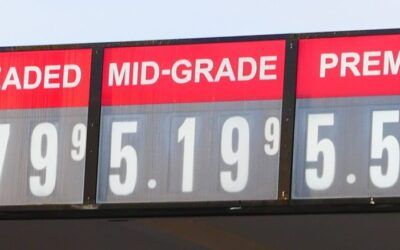
The conflict has lasted more than eight months, disrupted energy shipments through the Strait of Hormuz and contributed to higher gasoline prices. For families already unhappy with the cost of living, those developments created political problems Republicans struggled to overcome.
But Rubio has a different emphasis.
The secretary of state believes the administration faced an unacceptable risk from Iran’s nuclear ambitions and had to act regardless of the political consequences.
That places the two men in a fascinating position, especially because both are regularly discussed as potential contenders for the Republican presidential nomination in 2028.
Vance is emphasizing the cost of another major American military intervention. Rubio is defending the national-security decision behind it.
Neither man has formally launched a presidential campaign, and Rubio avoided directly evaluating the Republican election defeat on Sunday.
Still, it’s not every day that a vice president publicly questions whether a war was worth the political price while the secretary of state explains why the president had to fight it.
Trump, meanwhile, doesn’t sound particularly interested in apologizing.
Asked Sunday about Vance’s assessment, the president acknowledged that his vice president was right about the war’s political consequences but said Vance should also have emphasized that going to war had been the correct decision.
Trump then offered an unmistakable defense of his own judgment.
“I can tell you if I had it to do again,” Trump said, the decision would rank among the best things his administration had done.
His reasoning was characteristically stark: Iran must never obtain a nuclear weapon.
But there’s another uncomfortable development here. Eight months into the conflict, the administration still doesn’t have a diplomatic breakthrough to announce.
Rubio told reporters that negotiations with Iran were not close to success.
“I wouldn’t say we’re at the verge of a breakthrough,” he said.
The secretary of state described Iranian demands as unacceptable and unrealistic, including proposals involving sanctions relief, frozen assets and the American naval blockade.
Iran, for its part, has maintained that its nuclear program is peaceful and has demanded major American concessions before reaching a broader agreement.
Trump told CNN on Sunday that renewed large-scale military strikes would be unlikely if negotiations produced meaningful progress and a strong agreement. But he also warned that the United States had identified infrastructure targets, including 38 bridges, should the fighting escalate again.
American forces have continued limited operations, and the blockade of Iranian ports remains a point of confrontation.
So Republicans now face two separate problems: a military conflict that remains unresolved and a political argument about whether entering it was the right decision.
There is also a fundamental difference between acknowledging the war’s electoral impact and agreeing that the war itself was a mistake. Vance’s remarks have raised that question, while Rubio is firmly defending the original decision.
For Trump, the distinction may become increasingly important as Democrats prepare to control Congress and investigate the administration’s conduct of the conflict.
Rubio’s Sunday statement makes clear that at least one senior administration official is prepared to defend the war without regard to its electoral popularity.
Whether Republicans can agree on that position is another matter. The divide between Rubio’s defense and Vance’s warnings is now part of the party’s debate over its future.
DBS WIRE SOURCES (I have all day)
- Associated Press — Rubio defends Iran war despite political cost, November 8
- Reuters — Vance questions Iran war after Republican election losses
- Local 10 — Rubio’s full Sunday remarks and Iran diplomacy update
- CBS News — Trump’s November 8 interview transcript