THE DAILY BS: HOW MUCH CAN YOU HANDLE?
SPARE ME THE BS (I’ve got things to do)
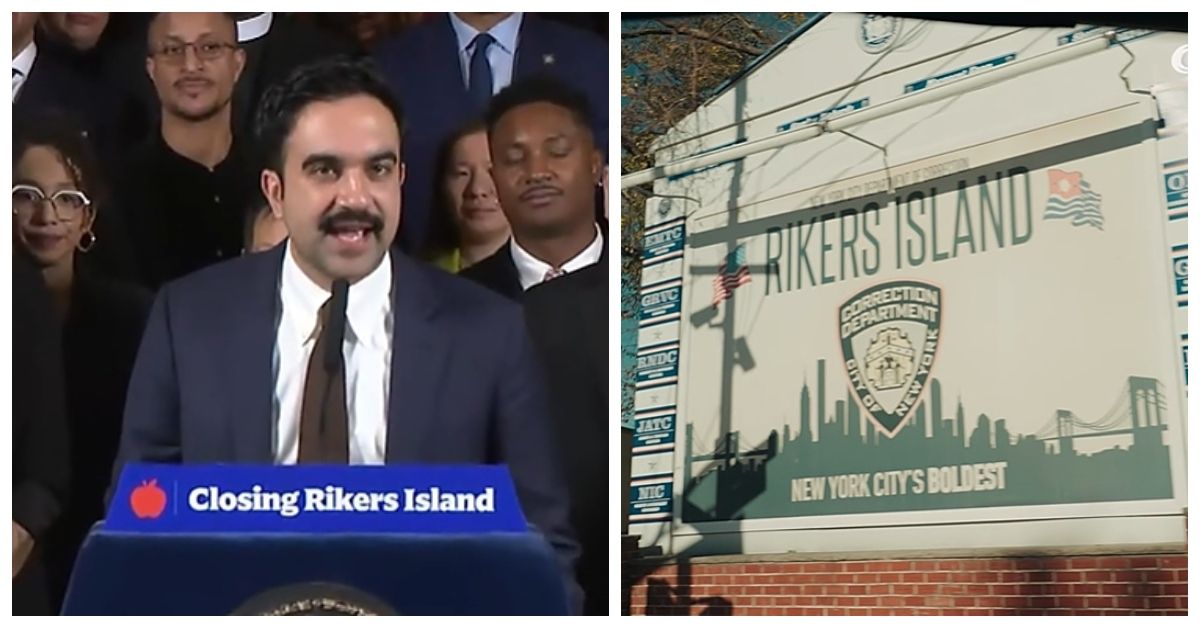
- New York City Mayor Zohran Mamdani unveiled a plan Friday to close Rikers Island by December 2032, more than five years after the legally required August 2027 deadline.
- The mayor wants to reduce the city’s jail population from approximately 6,600–6,700 to about 4,100, using faster court processing, supervised release, treatment programs and other measures.
- His proposal includes $146 million in new investments and four replacement jails, with the first opening in Brooklyn in 2029. The City Council must approve the delayed deadline.
LAY IT ON ME (I’ve got time)
New York City’s most notorious jail has a closing date. Again.
Mayor Zohran Mamdani announced Friday that he’s finally going to shut down Rikers Island, the sprawling correctional complex that New York politicians have been promising to close for years.
There’s just one small scheduling adjustment. The city was legally required to close Rikers by August 2027. Mamdani now wants until December 2032.
🚨 IT’S OFFICIAL: Ugandan Mayor Mamdani just walked out and said he’s ENDING Rikers Island jail — opting instead for new jails that are more comfortable, pleasing and “hubs for community”
“Our nation has a very real mass incarceration problem.”
Mamdani wants to SLASH the OVERALL jail population
This guy is ruining NYC.
He really thinks they have crime problems because jails are too mean…
NEW YORK CITY IS COOKED!
— Eric Daugherty (@EricLDaugh) November 20, 2026
That’s more than five additional years. In government time, apparently, that’s what passes for an expedited project. But the new deadline isn’t the most consequential part of the announcement.
Mamdani’s plan depends on reducing the number of people in city custody from roughly 6,600–6,700 to approximately 4,100. That’s about 2,500 fewer detainees, a reduction approaching 40%.
And that raises an obvious question for New Yorkers worried about crime: How exactly does City Hall intend to get there?
Saddam Mamdani isn’t “replacing” Rikers. He’s cutting inmate capacity by 30%.
Because he wants more criminals roaming the streets.
— Spencer Pratt (@spencerpratt) November 20, 2026
The administration says it will use a combination of faster court proceedings, expanded supervised release, mental health treatment, alternatives to detention, and programs intended to keep people from returning to jail.
Mamdani says the changes will improve public safety while addressing conditions that have plagued Rikers for decades.
“We know that detaining more New Yorkers does not make us safer,” the mayor told reporters Friday.
His administration also released a video promising to close Rikers while changing how the city approaches people accused of crimes. The mayor said the goal is to build a system that considers what people need, not simply what they’ve been accused of doing.
Mamdani disbanded the strategic response group and is now shutting down rikers island
He’s turning NYC into a lawless hellhole
Communists love chaos and unrest
He will have private security though of course
Only the citizens will suffer. https://t.co/Nk2LC6A7Dt
— Libs of TikTok (@libsoftiktok) November 20, 2026
That’s an ambitious philosophy. It’s also the sort of statement that invites serious questions about where rehabilitation ends and protecting the public begins.
Under the proposal, four smaller jails would replace the Rikers complex, with facilities in Brooklyn, the Bronx, Queens and Manhattan. The first is scheduled to open in Brooklyn in 2029. The remaining facilities would open through 2032.
The administration says placing jails closer to courthouses, public transportation and inmates’ families would make it easier to attend hearings, meet attorneys and maintain connections that could help prevent repeat offenses.
Correction Commissioner Stanley Richards, who has spoken about his own experience being incarcerated at Rikers, supports the approach.
The city also intends to create additional hospital-based therapeutic beds for detainees with serious mental illnesses and complicated medical needs.
Another centerpiece is $146 million in planned investments next fiscal year, including mental health services, substance-abuse treatment, education, job training and additional support for crime victims.
Mamdani says these measures will help reduce the jail population without sacrificing public safety.
But there’s a practical problem: New York can’t simply close thousands of jail beds while assuming the people who would otherwise occupy them will disappear. The city must either lower the number of people held in custody or provide enough replacement capacity elsewhere.
Roughly 65% of the over 6000 inmates held at Rikers Island are charged with violent crimes, including m*rder, assault, and r*pe.
Zohran Mamdani is shutting down it down with plans to slash jail populations.
Democrats are going to flood our streets with criminals.
— Libs of TikTok (@libsoftiktok) November 20, 2026
And New York’s criminal justice system already has a complicated history with bail reform.
Existing state laws restrict when judges can require bail, particularly for defendants accused of less serious offenses. Critics have warned that further reductions in detention could lead to more defendants being released while awaiting trial.
Supporters respond that many people remain jailed before conviction because their cases move too slowly or they cannot afford bail, and that reducing unnecessary detention can improve outcomes.
The Rikers closure effort also predates Mamdani. In 2019, the City Council approved legislation requiring the jail complex to close by 2027. Construction delays, costs, and difficulty reducing the jail population have repeatedly pushed the project off schedule.
Meanwhile, conditions inside Rikers have remained so troubling that a federal judge appointed an outside manager to oversee reforms.
Mamdani argues that the latest proposal provides the detailed roadmap previous administrations failed to deliver.
“It is time to finally close Rikers Island,” he declared.
City Council Speaker Julie Menin acknowledged that the original deadline was no longer realistic and expressed support for moving forward with a responsible transition.
The administration will now work with council members to change the law establishing the 2027 deadline. The new schedule calls for the last person held at Rikers to be relocated by December 31, 2032.
DBS WIRE SOURCES
- Fox News — Mamdani announces delayed plan to close Rikers Island, November 20, 2026
- NYC Mayor’s Office — Official Rikers Island closure plan, November 20, 2026
- Associated Press — Mamdani sets plan to close Rikers Island by 2032
- City & State New York — Mamdani seeks 2032 Rikers closure deadline
- [ABC7 New York — Five-year extension