Hey folks—I know not everyone gets a chance to catch Rush Hour live, so I’m going to start including a link to each episode right here in the blast. That way, if you missed the show or just want to hear it again, it’s only a click away – or check out my thoughts below.
VIEW HERE:
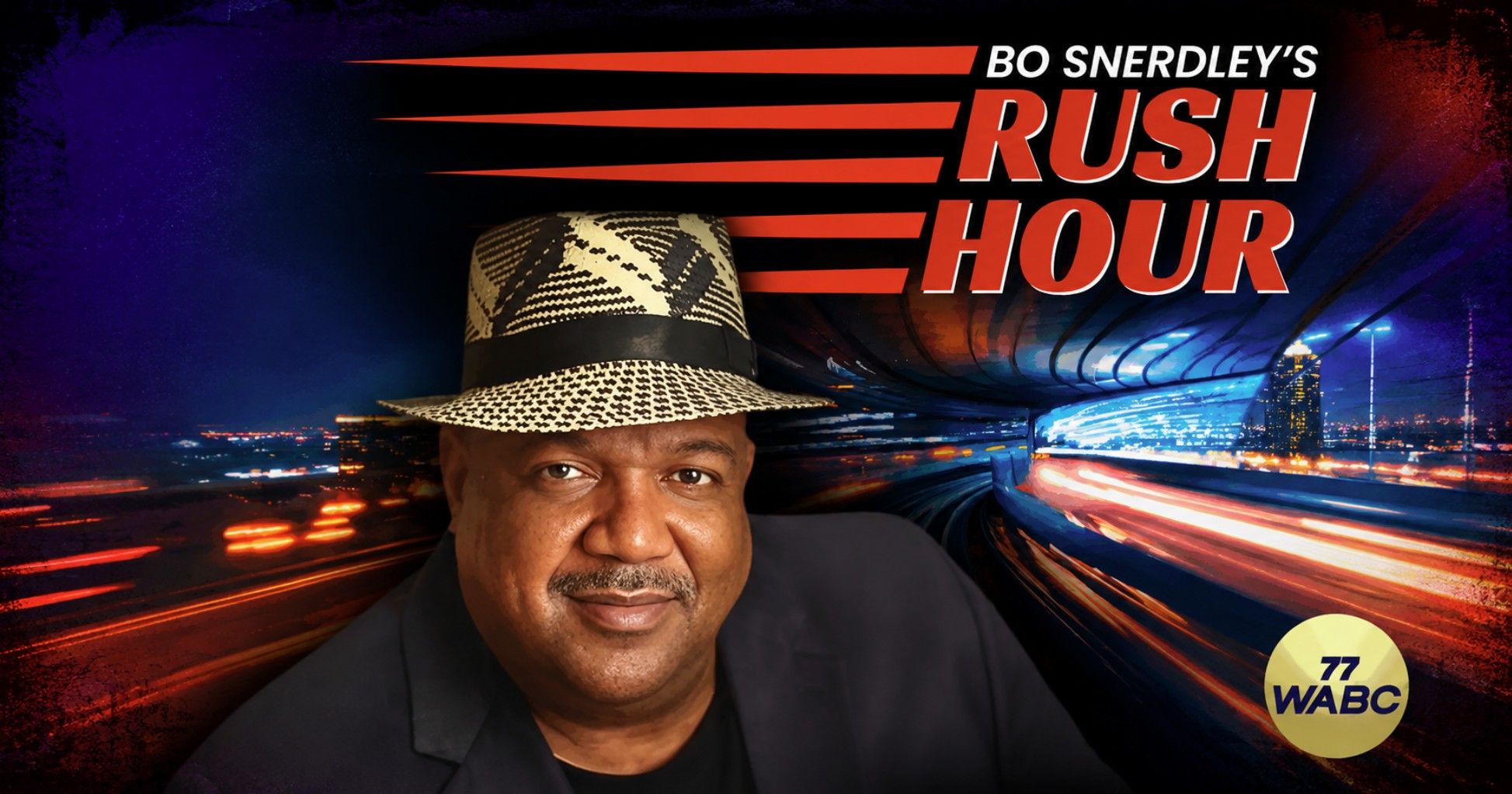
Look out for the Rush Hour link Tuesday – Saturday in your Daily BS email blast.
Rush’s Thanksgiving lesson wasn’t about turkey. It was about freedom.
Thanksgiving has always meant something special to me. And yesterday, as I sat behind the microphone with my old friend Dean Karayanis, I found myself thinking about another dear friend who made this holiday special for millions of Americans.
Rush Limbaugh.
For years, Rush had a Thanksgiving tradition that became almost as familiar to his listeners as the holiday itself.
He would tell the story of the Pilgrims. But not simply the version most of us learned in school, with the funny hats, the Thanksgiving dinner and everybody sitting around a table having a wonderful time.
Rush wanted us to understand what those people endured, what they learned and why their experience still matters.
On yesterday’s Thanksgiving edition of Rush Hour, Dean, who worked with Rush for many years, helped me revisit that remarkable story.
It was a wonderful reminder of something Rush understood better than almost anybody.
History is not just a collection of dates and names. It is a record of human experience, filled with lessons that people ignore at their own peril.
Consider the Pilgrims.
These were people who crossed an ocean seeking the freedom to worship God according to their beliefs. They arrived in an unfamiliar land, faced extraordinary hardships and suffered terrible losses.
Nearly half of the Mayflower passengers died during their first winter.
Think about that sacrifice.
They didn’t come looking for comfort. They came seeking something they considered more important.
Freedom.
The Wampanoag people played a vital role in helping the surviving settlers, and the harvest gathering of 1621 became part of the Thanksgiving story Americans remember today.
But as Rush reminded his audience, the story didn’t end there.
The colony struggled with an economic arrangement in which much of what people produced went into a common store.
In 1623, Governor William Bradford changed the way farming was organized, assigning families individual plots to cultivate.
The land wasn’t simply handed over as permanent private property. But families now had greater responsibility for their own production.
Bradford recorded that the change encouraged greater effort and resulted in considerably more corn being planted.
Rush loved that lesson.
He believed it demonstrated something fundamental about human nature: people respond to responsibility, opportunity and the knowledge that their work can improve their own circumstances.
And he wasn’t shy about drawing comparisons to the grand promises of socialism.
You can imagine how much fun he had with that!
Now, the Pilgrims’ experience wasn’t a modern political experiment, and their first Thanksgiving occurred before those farming changes. But Bradford’s account of the colony’s difficulties and adjustments is an important part of American history.
And Rush thought Americans deserved to know it.
That was one of the things I admired most about him.
He didn’t simply want people to agree with him. He wanted them to question what they’d been told, examine the evidence and think for themselves.
Dean reminded me that when Rush published See, I Told You So in 1993, challenging conventional accounts of history wasn’t necessarily a popular thing to do.
Rush did it anyway.
He had an extraordinary curiosity about this country and the people who built it. He loved discovering some neglected historical detail and sharing it with an audience that might never otherwise encounter it.
And I can tell you from personal experience, his enthusiasm was contagious.
As we talked yesterday, I realized how much I miss those Thanksgiving broadcasts. Not simply the stories themselves, but the pleasure Rush took in telling them.
I miss his voice, his laughter, his ability to turn a historical lesson into something people would remember long after the radio was turned off.
And I am grateful that people like Dean are helping keep those lessons alive.
There is something fitting about remembering all of this as we begin another holiday season.
Thanksgiving asks us to recognize our blessings. But it should also encourage us to remember the sacrifices, struggles and individual efforts that made those blessings possible.
The Pilgrims understood the value of religious freedom because they had lived without it.
They understood hardship because they had endured it.
And they learned that building a successful community required both cooperation and personal responsibility.
More than four centuries later, those are still lessons worth discussing.
Rush would have enjoyed that conversation.
In fact, I can almost hear him now, settling in behind his microphone, ready to tell America the Thanksgiving story one more time.
And I would give just about anything to hear it.
— Bo
Rush Hour airs Monday through Friday and moves quickly through the day’s hottest political stories, breaking developments and media absurdities. It is the fastest hour in American media because there is always more happening than the legacy media has time—or desire—to explain.
And if you want my daily stack of news and commentary delivered directly to you, sign up for The Daily BS here. It is free, arrives daily and, unlike a New York Democratic event, questions are not removed for exceeding ideological capacity.