THE DAILY BS: HOW MUCH CAN YOU HANDLE?

SPARE ME THE BS: (I’ve got things to do)
- President Trump used his Thanksgiving message to criticize welfare dependency among Somalis, claiming that just 2% work without receiving government assistance.
- Trump called for the removal of the remainder, arguing that Minnesota’s future was at stake. His post did not announce a new deportation policy.
- Research from the Center for Immigration Studies documents substantial public assistance use among Minnesota’s Somali immigrant households, although Trump’s specific percentage remains unsubstantiated.
LAY IT ON ME: (I’ve got time)
Some presidents spend Thanksgiving issuing a few carefully scripted sentences about national unity, family gatherings and the blessings of American citizenship.
Donald Trump apparently had a few additional items on the menu.
In a lengthy Thanksgiving message posted to Truth Social on Thursday morning, the president addressed everything from federal economic statistics to the White House’s deteriorating windows, criminal deportations and Minnesota’s Somali community.
That’s quite a conversation to have before somebody asks you to pass the mashed potatoes.
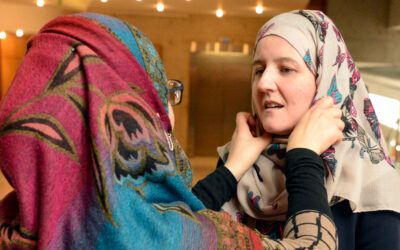
Trump singled out Somalis who work without receiving government assistance, claiming they represent just 2% of the Somali population.
He expressed appreciation for those individuals and said they should be permitted to remain in America.
As for everyone else?
“The others should be thrown out, immediately,” Trump wrote.
The president argued that removing them would help Minnesota, where federal investigations into fraud involving government-funded social services have generated considerable national attention.
His remarks came just days after another social media post in which he claimed that nearly 95% of Minnesota’s Somali population receives some form of welfare.
While Trump did not identify the source of either percentage, researchers have documented substantial reliance on public assistance among Somali immigrant households in Minnesota.
The Center for Immigration Studies, which advocates for lower immigration levels, published an analysis last December using Census Bureau data. Its researchers estimated that 81% of Minnesota households headed by Somali immigrants participated in at least one of several major assistance programs, including Medicaid, food stamps and cash assistance.
Among such households with children, the percentage rose to 89%.
Those figures measure household participation, rather than the percentage of individual Somalis receiving benefits. They also include households where adults are employed.
Indeed, Census estimates for 2024 put labor force participation among Minnesota residents of Somali descent aged 16 and older at approximately 72%, meaning they were either employed or actively seeking employment.
The figures illustrate the distinction between unemployment and welfare dependency. A household can have working adults and still qualify for government assistance, particularly when incomes are low and there are several children.
The policy questions raised by those numbers are worth examining: how effectively refugee resettlement programs promote economic independence, how public benefits are administered and what safeguards exist to prevent fraud.
There is also a considerable legal distinction between deporting someone who is unlawfully present and removing an American citizen who receives public assistance. Receiving lawful government benefits does not, by itself, make a citizen subject to deportation.
Meanwhile, the criminal investigations in Minnesota involve specific defendants accused of exploiting programs established to assist vulnerable people, including children and individuals with disabilities. Those cases continue through the federal justice system.
Trump’s Thanksgiving message also offered a rather unconventional expression of gratitude to criminals who had entered the country illegally and subsequently been deported.
“We miss you dearly,” the president wrote sarcastically, adding that they would not be returning.
Secretary of State Marco Rubio took a more traditional approach to Thanksgiving, releasing a video emphasizing the extraordinary opportunities afforded to Americans and the significance of American citizenship.
Later Thursday, Trump and first lady Melania Trump participated in another presidential Thanksgiving tradition from Mar-a-Lago: speaking with American servicemembers spending the holiday away from their families.
DBS WIRE SOURCES
- Fox News via AOL — Trump’s Thanksgiving remarks on Somali welfare dependency and immigration
- Mediaite — Trump’s lengthy Thanksgiving message
- New York Post — Background on Minnesota’s fraud investigations and demographic figures
- FactCheck.org — Census figures and Center for Immigration Studies research on public assistance
- Bring Me The News — Local Minnesota coverage of Trump’s Thanksgiving remarks