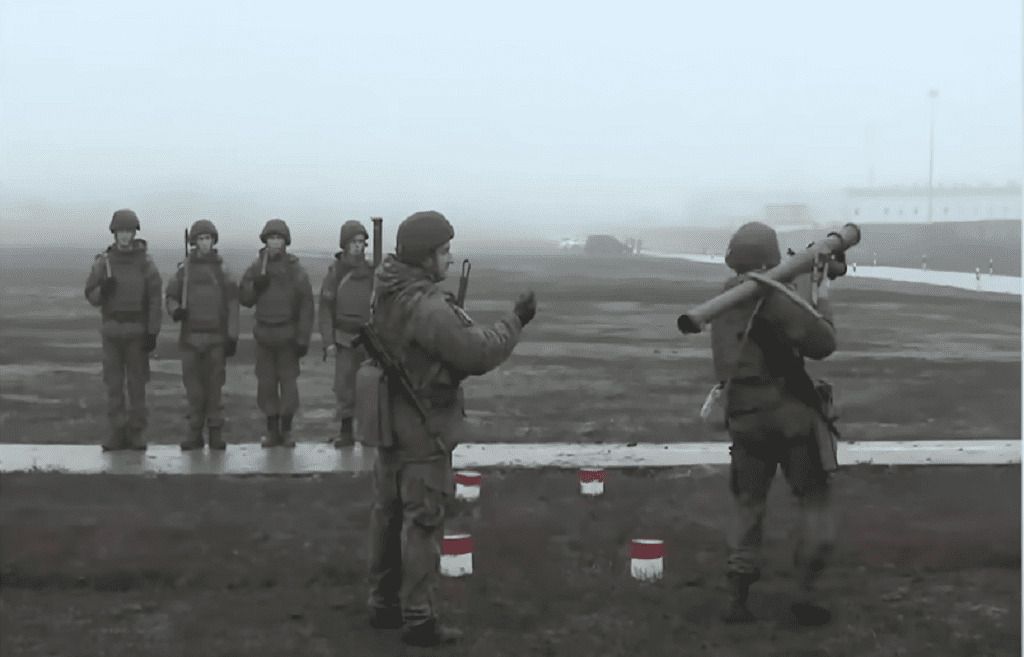
 On November 4, when the country was breathlessly anticipating the outcome of the midterm elections a few days later, the Pentagon announced yet another $400 million package of weapons to Ukraine. These announcements had become so routine – amounting to over $65 billion since the war started – that most people yawned.
The war, then in its ninth month, had already lost much of its news value. But in the recent announcement was a plan that should have set off alarm bells globally. The Defense Department was staffing a new command, called the Security Assistance Group-Ukraine, or SAG-U, based in Germany and within the Pentagon’s European Command structure. The single purpose? To help train and equip Ukraine’s military. The Pentagon spokesperson said that the $400 million also funded a project to refurbish 45 tanks from the Czech Republic, which will start arriving in Ukraine by the end of December.
Back in early September, declassified intelligence reports said Russia is purchasing millions of rockets and artillery shells from North Korea to re-energize its offensive in Ukraine. This development was just days after the New York Times reported that Iran delivered to Russia the first batch of two types of military drones as part of a larger order totaling hundreds of aerial war machines. A month later, OPEC+ nations, led by Saudi Arabia, agreed to cut production to keep oil prices high, pleasing Russia and so angering the United States that the Biden administration placed U.S.-Saudi relations under review.
The Kiel Institute for the World Economy tracks military, financial and humanitarian aid to Ukraine. As of October 3, the database tracked nearly 40 countries, specifically the E.U. member states, other members of the G7, Australia, South Korea, Turkey, Norway, New Zealand, Switzerland, China, Taiwan, and India, that had contributed funds to Ukraine.
On the other side, Belarus remains Russia’s most prominent supporter by allowing troops to enter Ukraine from its territory. Cuba, Nicaragua, Venezuela, and Kyrgyzstan have all made public declarations of solidarity with Russia. By buying discounted Russian oil, China and India have continued to fill Russian coffers and keep the Rouble’s value 40% higher than before the war. In contrast, every major international currency has fallen to 30-year lows.
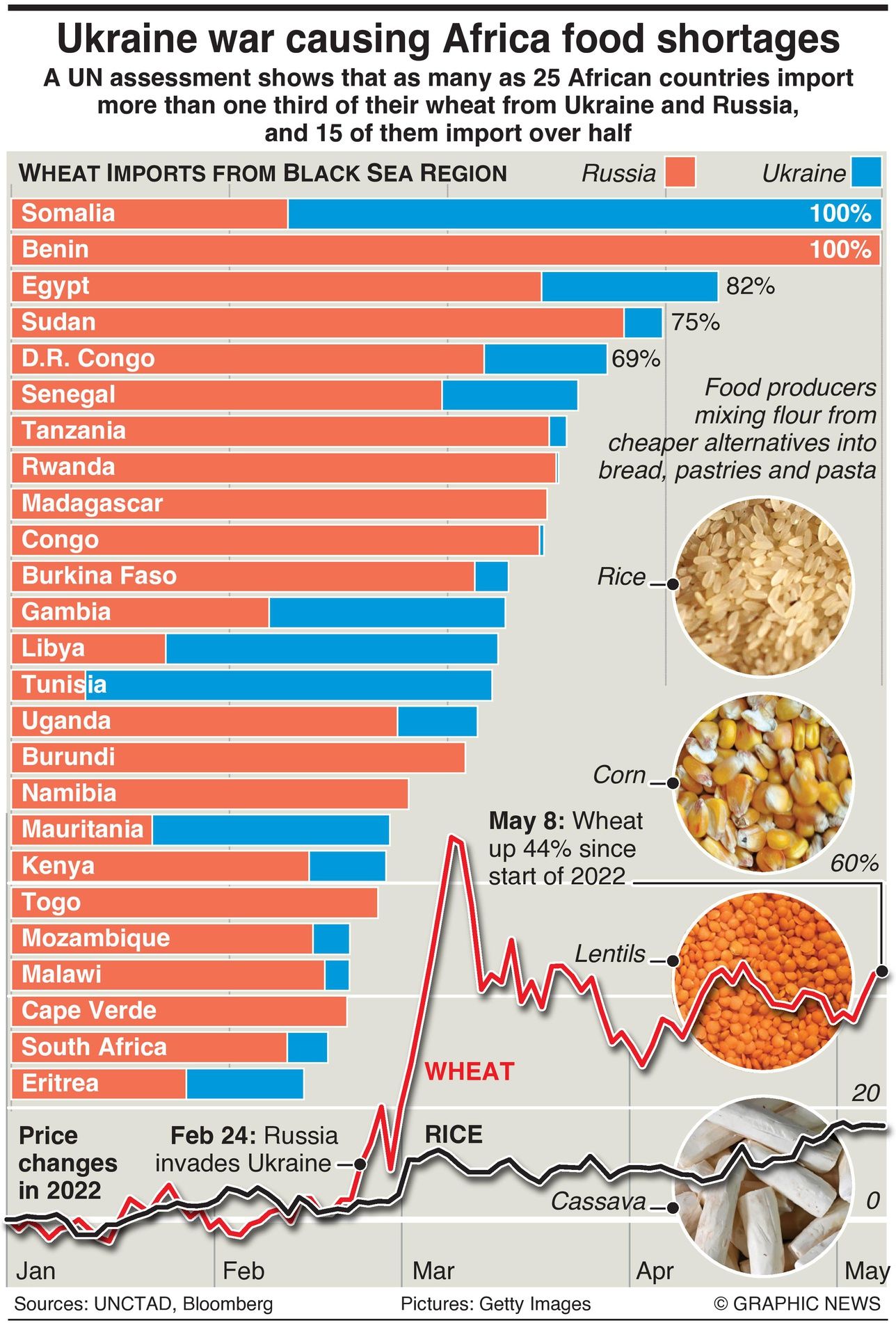
Many countries with nothing to do with the war are in its sights anyway. In June, the A.P. reported that the chairman of the African Union, Senegal’s President Macy Sall, told Russian President Vladimir Putin that the fighting in Ukraine and Western sanctions had worsened food shortages and appealed to other countries to ensure grain and fertilizer exports aren’t blocked. A U.N.-brokered deal has allowed Ukrainian and Russian grain to flow to 43 countries suffering from supply shortages.
Meanwhile, energy shortfalls, mainly due to Western sanctions, have pushed national economies to the brink. An IMF report in October pointed out that inflation was higher than in several decades. “Global growth is forecast to slow from 6.0 percent in 2021 to 3.2 percent in 2022 and 2.7 percent in 2023. This is the weakest growth profile since 2001, except for the global financial crisis and the acute phase of the COVID-19 pandemic.”
Yet the corporate media continues to willingly tow the administration’s line as the war enters its tenth month. The media has been grossly negligent in pushing through only one narrative. Russia was wrong to invade Ukraine and must be punished. We agree, but at costs on the global scale we listed above? Definitely not.
The GOP taking back the House indicates that the American people do not want to reward Congress for encouraging an inept foreign policy. A foreign policy so disastrous, that it seems to have inadvertently dragged much of the world into the conflict.
The new GOP leadership should prioritize applying intense pressure on the administration, including withholding funds from the war effort to stop further escalations. Yet, on the Sunday morning news shows, incoming GOP chairmen meekly repeated the administration’s demand that funding for the war would continue intact. We are shocked that even with 221 seats no incoming GOP committee leader recognizes the facts we list above.
Without prompt action, which has fallen on the Republican members to spearhead, we fear the Russia-Ukraine war could morph into WW3.
Related Infographics
TIPP Takes
Geopolitics And Geoeconomics
#1. NATO Pledges To Provide More Weapons And Fix Power Grid – BBC
NATO has pledged to give more weapons to Ukraine and help fix critical energy infrastructure badly damaged by massive Russian missile and drone strikes.
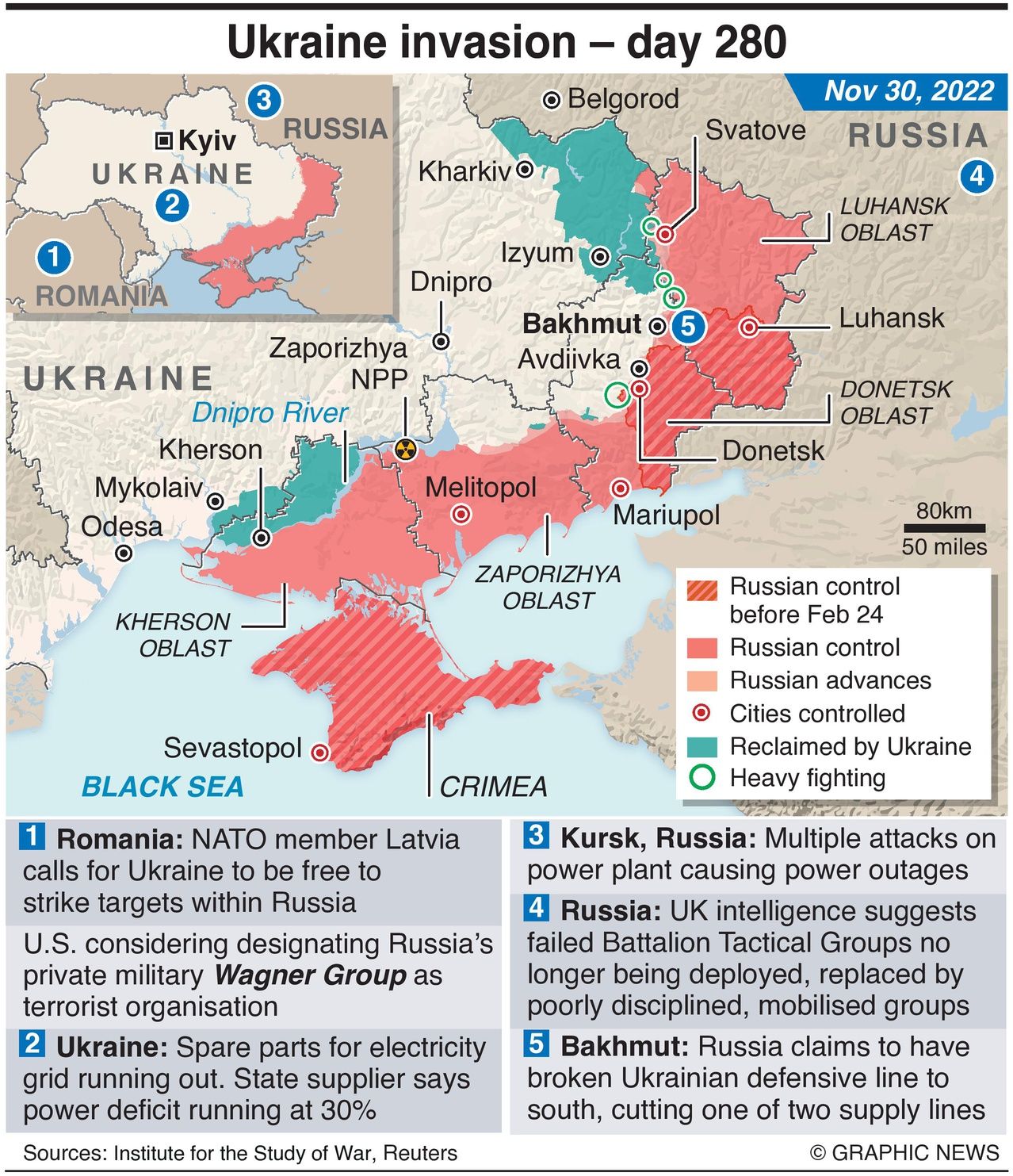
At a summit in Bucharest, the secretary general of the military alliance, Jens Stoltenberg, accused Moscow of “trying to use winter as a weapon of war.”
The Russian strikes have left millions of Ukrainians without electricity and running water in freezing temperatures.
Ukraine has for months been asking NATO for more advanced air defense systems.
Under the Geneva conventions, attacks on civilians, or the infrastructure vital to their survival, could be interpreted as a war crime.
#2. India Asked By Sanctions-Hit Russia For Parts For Key Sectors – Sources – Reuters
Moscow has sent India a list of more than 500 products for potential delivery, including parts for cars, aircraft, and trains, as sanctions squeeze Russia’s ability to keep vital industries running.
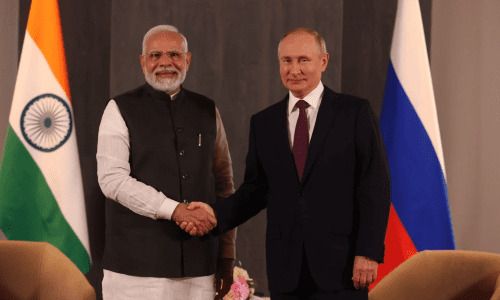
The list, a version seen by Reuters in New Delhi, is provisional. It is unclear how many items will eventually be exported and in what quantity, but an Indian government source said the request was unusual in its scope.
India is keen to boost trade in this way, said the source, as it tries to narrow a ballooning trade deficit with Russia. However, some companies have expressed concern about potentially falling foul of Western sanctions.
#3. Putin Proposes Creation Of ‘Natural Gas Union’ With Kazakhstan And Uzbekistan – RFE/RL
President Putin has proposed creating a “gas union” with Kazakhstan and Uzbekistan to establish a mechanism to ship natural gas between the three countries and to other nations, including China.
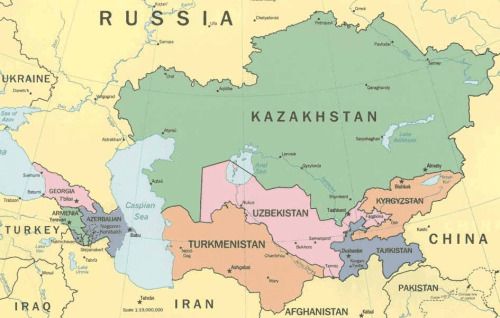
A day after Kazakh President Qasym-Zhomart Toqaev said he had talks with Putin in Moscow, Russian Kremlin spokesman Dmitry Peskov confirmed that the proposal was being discussed between the three countries. He said there was a “need for synchronization” since they all sell natural gas.
The first stage of Putin’s proposal envisages “the creation of a coordination mechanism” for the plan, Peskov said.
Russia is known as a major natural gas exporter, while the amount of natural gas produced by Kazakhstan and Uzbekistan is barely enough for their own consumption. The two major economies of the Central Asian region share a gas pipeline to Russia and a pipeline transporting natural gas from Turkmenistan to China.
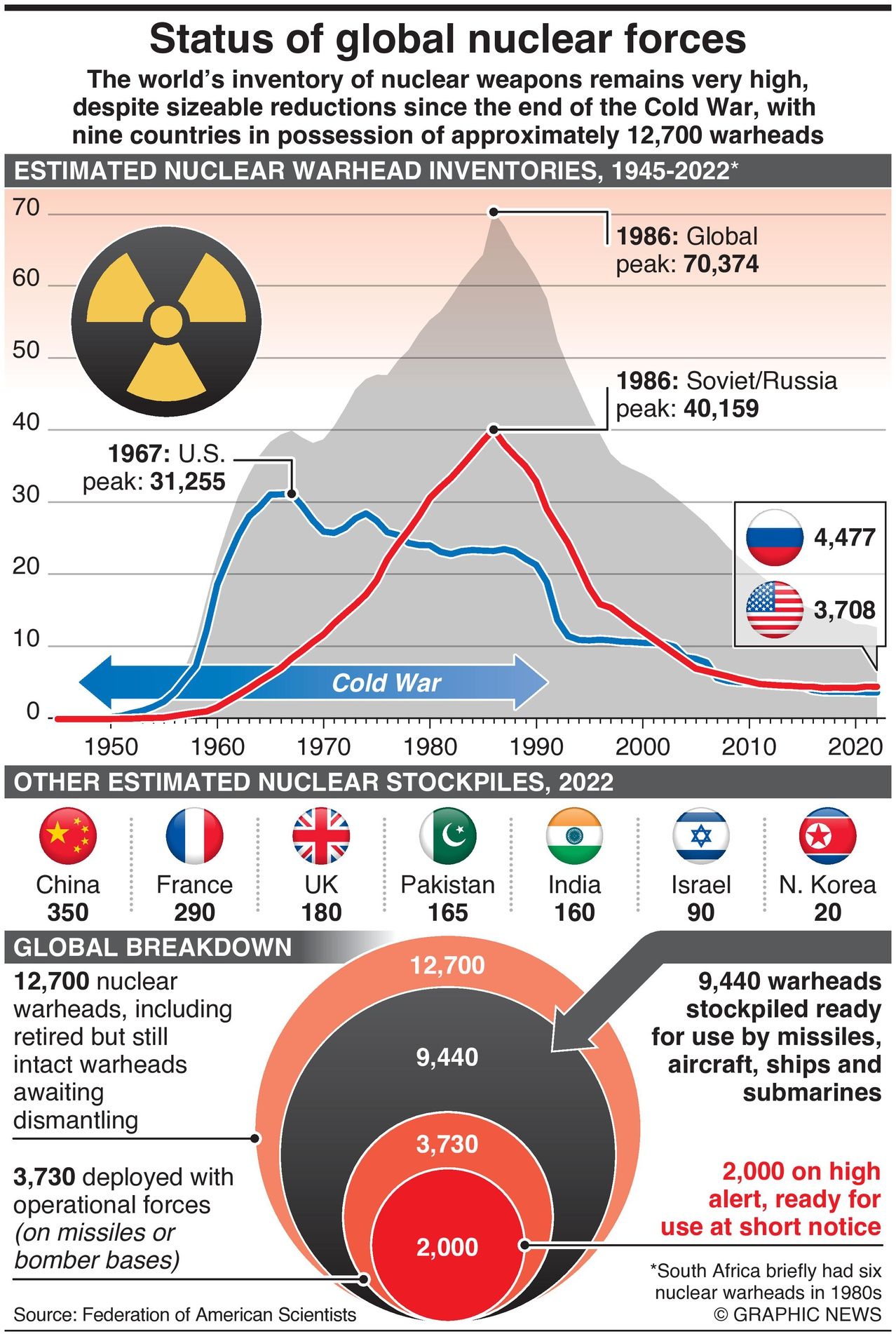
#4. Russia Blames U.S.’ Toxicity And Animosity’ For Cancellation Of Key Nuclear Talks – WION
Russia on Tuesday held the U.S.’ “toxicity and animosity” responsible for Moscow pulling out of key nuclear arms talks with Washington in Cairo this week.
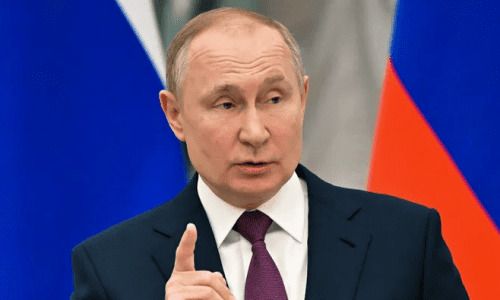
Just a day earlier, the nation announced that the talks scheduled between November 29 and December 6 would now be held “a later date.”
Russian Foreign Ministry spokesperson Maria Zakharova “in strongly worded comments,” accused Washington of trying to manipulate the New START treaty to its advantage. She, however, claimed that her country remains committed to it.
The New START (Strategic Arms Reduction Treaty) treaty is the last agreement of its kind between the world’s two main nuclear powers.
#5. China to possess 1,500 nuclear warheads by 2035: Pentagon report – Nikkei Asia
China’s nuclear arsenal will grow to 1,500 warheads by 2035, triple its current estimated stockpile, the Pentagon said in its annual report on Beijing’s military developments.
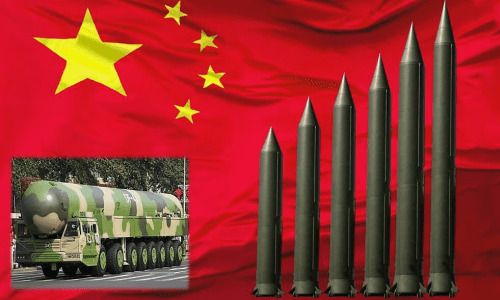
The document, called Military and Security Developments Involving the People’s Republic of China, said China already possessed more than 400 warheads. The U.S. Defense Department estimated that China held at least 200 warheads in the same report two years ago.
#6. U.K. Ousts China From New Nuclear Project Sizewell – AFP
Britain ousted China General Nuclear from constructing its new Sizewell C power station, further cutting controversial economic ties with the world’s second-biggest economy.
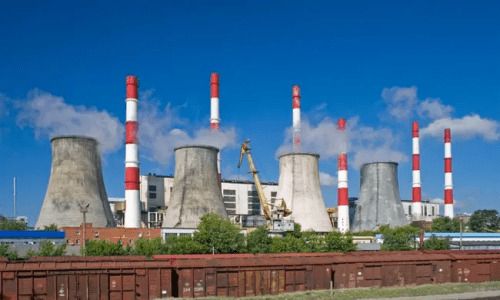
The CGN announcement came one day after Prime Minister Rishi Sunak warned that the “golden era” of U.K.-China relations was “over,” adding Beijing posed a “systemic challenge” to U.K. interests and values.
Mr. Sunak’s Conservative government is stripping CGN of its controversial 20% Sizewell stake under plans to form a joint venture with remaining French partner EDF. The U.K. will invest £700 million ($843 million) in the project, a figure that EDF matched.
Sizewell C, expected to start producing electricity from 2035 from the Suffolk coast in eastern England, will power the equivalent of about six million homes for over 50 years.
#7. South Korea Scrambles Jets As China, Russia Warplanes Enter Air Defense Zone – Reuters
South Korea’s military said it scrambled fighter jets as two Chinese and six Russian warplanes entered its air defense zone on Wednesday.
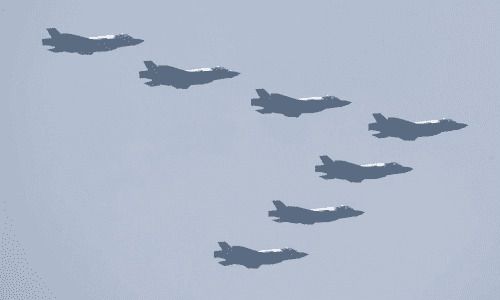
The Chinese H-6 bombers repeatedly entered and left the Korea Air Defence Identification Zone (KADIZ) off South Korea’s southern and northeast coasts starting at around 5:50 a.m. (2050 GMT Tuesday), Seoul’s Joint Chiefs of Staff (JCS) said.
They re-entered the zone hours later from the Sea of Japan, known in Korea as the East Sea, joined by the Russian warplanes, including TU-95 bombers and SU-35 fighter jets, the JCS said.
#8. Chinese Billionaire Jack Ma’ Living In Japan’ After Tech Crackdown: Report – The Hindu
Chinese billionaire and Alibaba founder Jack Ma has been living in Japan amid the Chinese government’s ongoing crackdown on technology companies.
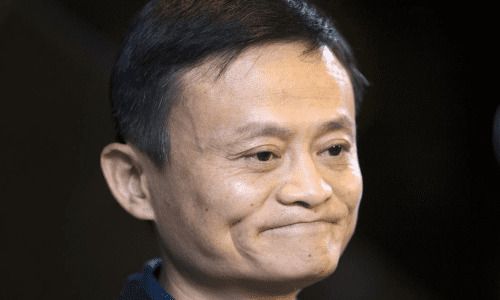
The usually high-profile Mr. Ma has stayed away from the public spotlight in China for more than two years. He has avoided public engagements, coinciding with regulatory probes targeting e-commerce giant Alibaba and its financial payments arm Alipay.
Many wealthy Chinese have left the country since 2020 to avoid the continuing “zero-COVID” pandemic restrictions that have disrupted life in China and made it difficult for Chinese to travel abroad.
#9. Qatar To Send Germany Millions Of Tons Of Natural Gas In First Major Deal – Middle East Eye
Qatar has announced its first major gas deal with Germany as western and central Europe countries attempt to move away from reliance on Russian gas.
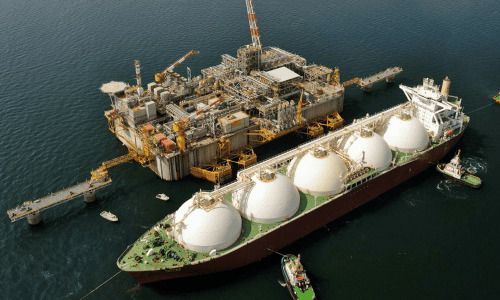
Qatari Energy Minister Saad Sherida al-Kaabi said that up to two million tons of Qatari liquefied natural gas per year would be transported to Germany beginning in 2026. The gas contract is set for 15 years, while QatarEnergy, a state-run company, is eyeing other gas deals with European countries.
The Germany-Qatar deal comes just days after Doha announced a 27-year agreement to supply China with four million tons of gas annually, the most extended contract in the industry.
#10. U.S. O.K.s $1B Arms Sale To Qatar During Key World Cup Match – A.P.
The Biden administration on Tuesday approved a $1 billion arms sale to Qatar in a transaction unveiled during halftime of the key World Cup 2022 match in Doha between Iran and the United States.
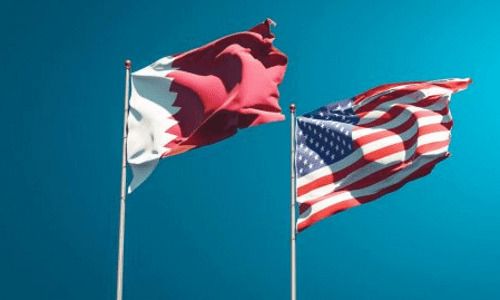
The State Department announced it had signed off on Qatar’s purchase of 10 defensive drone systems, 200 interceptors, and related equipment just as the second half of the US-Iran game began. Qatar, along with other Gulf Arab states, faces threats from Iranian-backed proxies in the region.
The department said in a statement the sale would “support the foreign policy and national security objectives of the United States by helping to improve the security of a friendly country that continues to be an important force for political stability and economic progress in the Middle East.”