The president of one of the most prestigious academic institutions in the world has resigned following an investigation into his research. Marc Tessier-Lavigne will resign as President of Stanford University at the end of August.
The move follows an external review of the prominent neuroscientist’s research work conducted by a panel of outside biologists and neuroscientists. According to the panel’s report, “At various times when concerns with Dr. Tessier-Lavigne’s papers emerged—in 2001, the early 2010s, 2015-2016, and March 2021—Dr. Tessier-Lavigne failed to decisively and forthrightly correct mistakes in the scientific record.”
Though the panel did not find that Dr. Tessier-Lavigne had personally manipulated data, the report pointed out that he failed to correct the scientific record (published papers) even when presented with multiple opportunities.
Dr. Tessier-Lavigne’s resignation letter stated, “I am gratified that the Panel concluded I did not engage in any fraud or falsification of scientific data.” He will now likely retract or issue ‘robust corrections’ to at least five papers, one on Alzheimer’s disease. Better late than never.
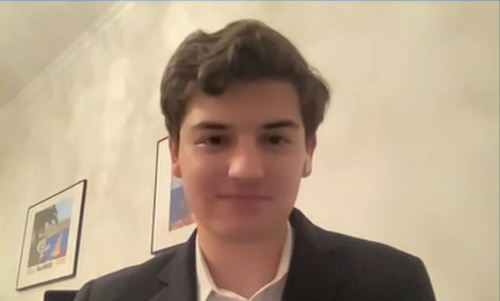
The 18-year-old Stanford Student Daily editor Theo Baker deserves credit for unraveling the scandal.
It is worth noting that billions are poured into labs and research facilities as funding and grants. The works of these scientists and researchers form the basis for other studies and innovations. Falsified data jeopardize further studies based on such research.
Data manipulation and falsification practices involve altering, omitting, or fabricating data (including images and other materials) to support desired conclusions, seriously eroding the reliability of research findings. While such incidents are atypical, there have been instances wherein well-known scientists were found to have engaged in unethical practices and been forced to retract their published works.
A couple of famous scandals come to mind. In 2014, a Japanese stem cell scientist, Dr. Haruko Obokata, groundbreaking paper on the creation of “Stap” cells (stimulus-triggered acquisition of pluripotency) was retracted by Nature after repeated attempts failed to reproduce her results.
Decades earlier, in 1998, British physician, Andrew Wakefield, published a (now-debunked) study claiming a link between the MMR (measles, mumps, and rubella) vaccine and autism. The paper gained popularity before being retracted due to data manipulation and ethical violations. Though the physician lost his medical license, the damage had already been done.
Ironically, Francesca Gino, a prominent Harvard Business School professor who studies honesty, was alleged to have falsified data in a study on honesty!
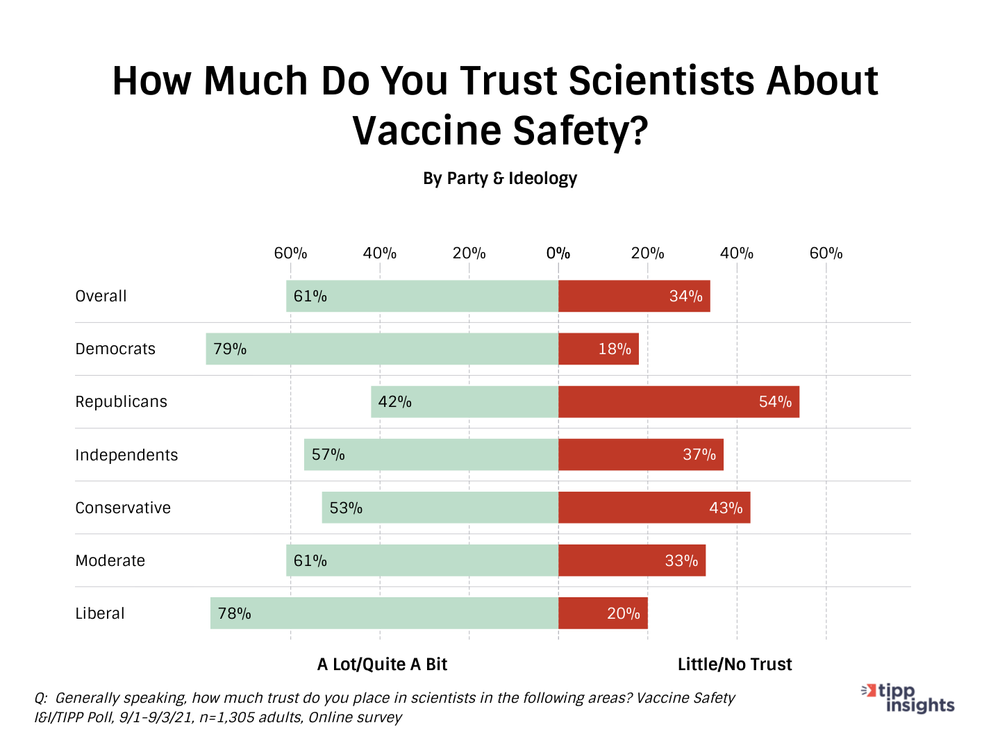
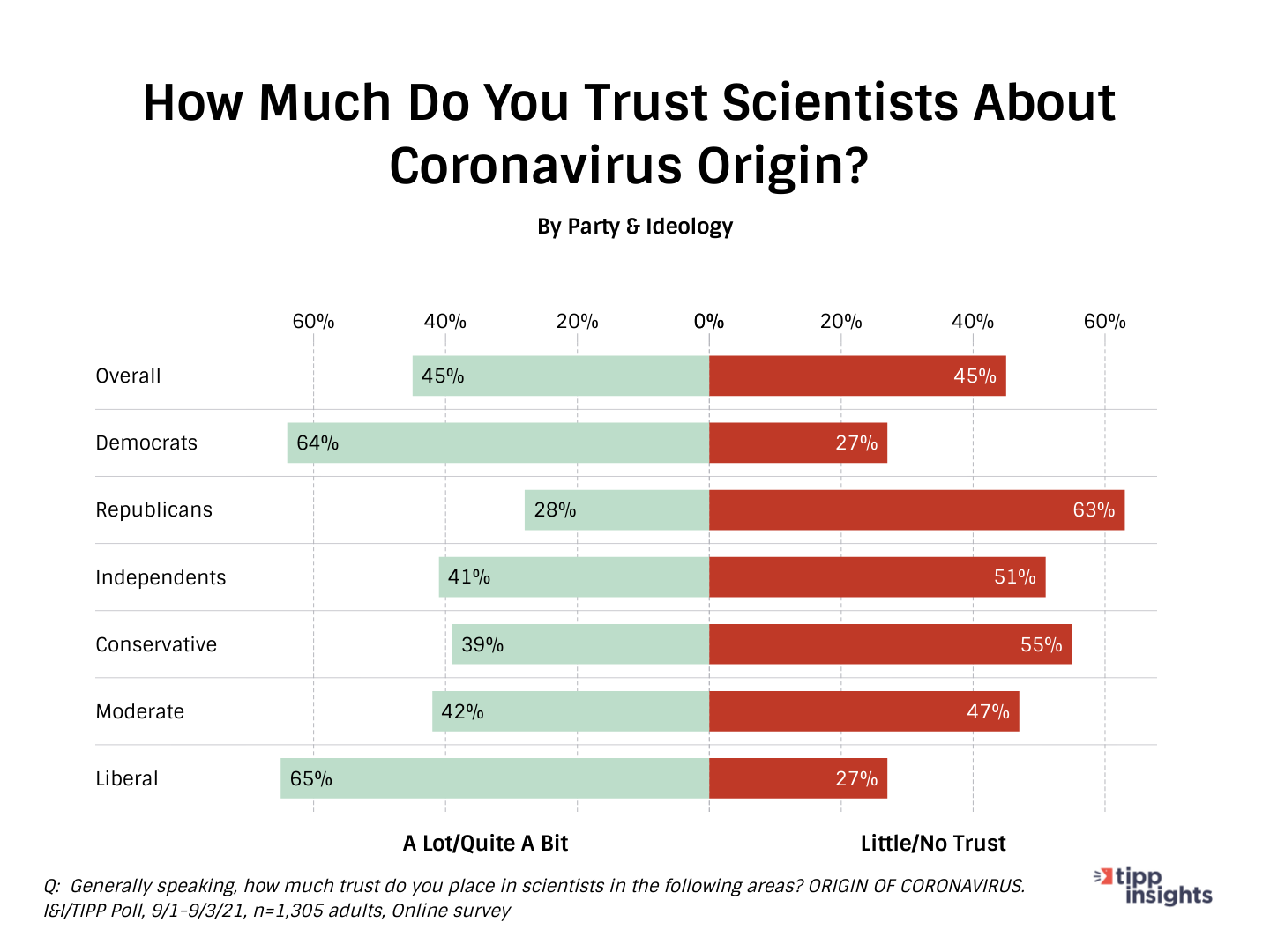
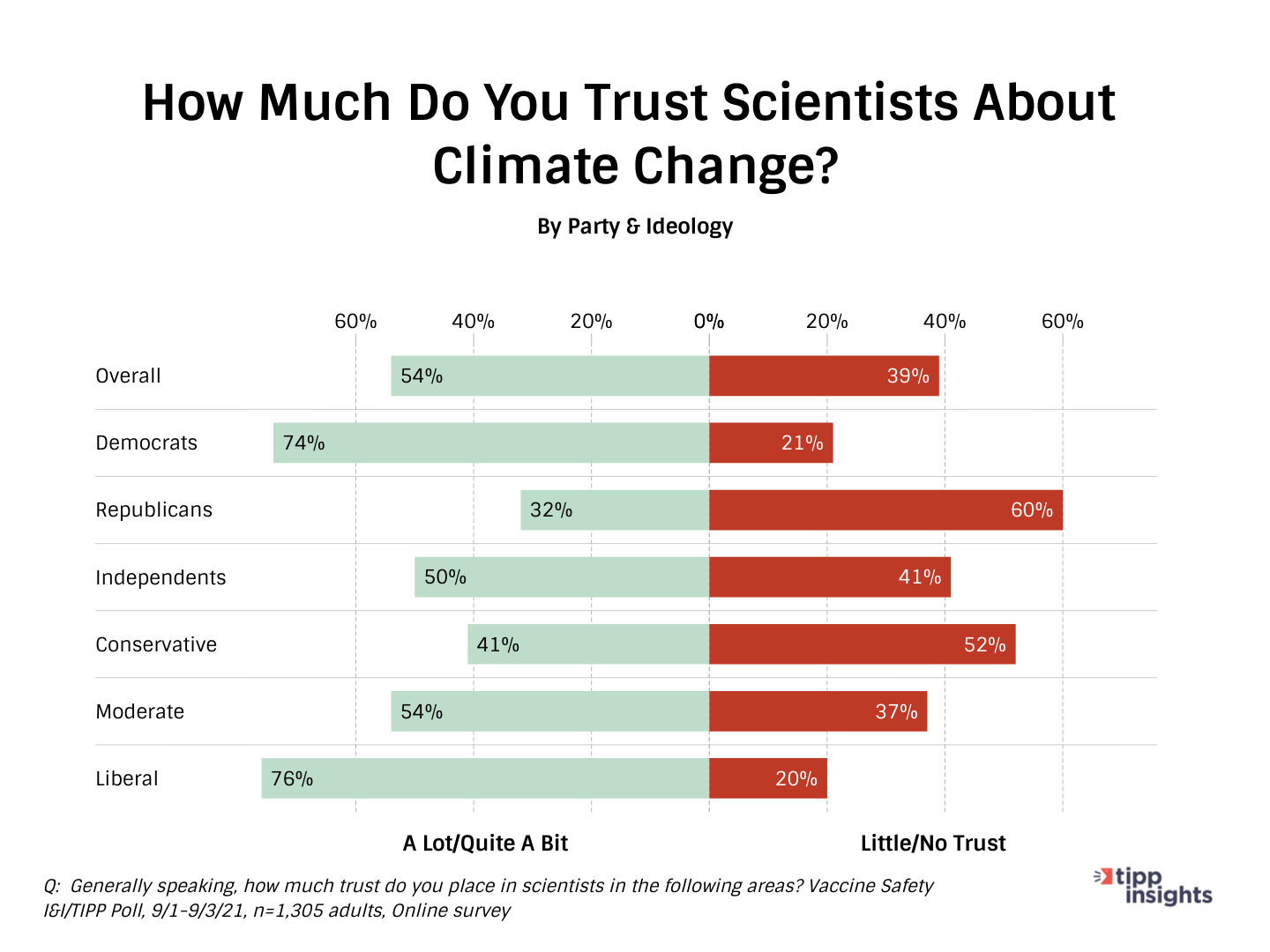
Such incidents, though rare, have eroded the public’s trust in the research community. Big Pharma interference in medical research has gained much attention and is well documented. The skepticism about vaccines, pandemic protocols, and climate change continues to divide the country.
While the allegations of “manipulation of research data” and less than honest conduct may shock many outside the academia, it is unlikely to cause a seismic shock in the research world. The hallowed halls of these prestigious institutions offer a measure of insulation. Many renowned scientists and researchers have enjoyed successful careers despite similar scandals.
The Stanford neuroscientist is unlikely to face any other consequences. He was not let go following the report; he resigned. He will continue to be a tenured faculty member in the Department of Biology at the Ivy League University. It is unlikely that his grants will be revoked.
There are even those willing to share the blame. Holden Thorp, editor-in-chief of the Science, which published two of the professor’s papers in 2001, stated that Dr. Tessier-Lavigne had sent corrections to the publication, but they failed to run it. “It’s certain to me that we’re the ones that dropped the ball,” Thorp said.
Beyond some short-lived embarrassment and notoriety, the incident is unlikely to significantly impact the scientific community or the research world. But, when such incidents come to light, the public is forced to wonder – whom to trust? What to believe?
Related Data
Like our insights? Show your support by becoming a paid subscriber!
TIPP Takes
Geopolitics And Geoeconomics
1. Cluster Bombs: Ukraine Using Munitions ‘Effectively,’ Says U.S. – BBC
The White House confirmed that Ukraine is using U.S. cluster bombs against Russian forces in the country.

National Security Spokesman John Kirby said initial feedback suggested they were being used “effectively” on Russian defensive positions and operations. Ukraine has promised the bombs will only be used to dislodge concentrations of Russian enemy soldiers.
2. EU Draws Up Plans For $22bn Ukraine Weapons Fund – Al Jazeera
Josep Borrell, the European Union’s foreign policy chief, outlined the four-year proposal to EU foreign ministers meeting in Brussels.

“We propose the creation of a dedicated section on the European peace facility to provide up to five billion euros a year for the next four years for the defense needs of Ukraine,” he said.
3. U.S. Unleashes Russia-Related Sanctions, Blacklisting 120 People And Firms – UPI
Sanctions were imposed by the Departments of State and Treasury against people and companies, freezing all property and interest in property held in their names.

They prohibited U.S. citizens from doing business with them. U.S. officials say the measures target Russia’s munitions factories and high-technology industries, degrading its access to the international financial system.
4. Wheat Prices Rocket Following Collapse Of Black Sea Grain Deal – Middle East Eye
Prices on the European stock exchange jumped 8.2 percent on Wednesday from the previous day, reaching $284 per tonne, while corn prices rose by 5.4 percent.

Russia officially notified Turkey, Ukraine, and the UN that it was against extending the Black Sea grain export deal. The move will likely have a deeply negative impact on the Middle East and North Africa, which relies heavily on Ukraine for wheat.
5. China Doesn’t Want U.S. Trade War But Will Hit Back Vs Curbs – Envoy – A.P.
China will retaliate against any further restriction on technology and trade, Beijing’s ambassador to Washington, Xie Feng, said.

“China does not shy away from competition, but the definition of competition by the U.S. side, I think, is not fair,” Xie said at the Aspen Security Forum, a security and foreign policy conference.
6. China Inc’s Profit Warnings Reveal Deflationary Pressures – Nikkei Asia
Signs of deflationary pressure in China are growing, as companies warn that weak demand is pushing down prices of key industrial products from petrochemicals and steel to paper and cement.

Listed companies, especially in industrial sectors, have issued profit warnings for the first half of the year, raising questions about the government’s optimistic depiction of the economy.
7. Chinese Groups Accused Of Hacking Top U.S. Government Officials, Military – Reuters
Chinese hackers have since May secretly accessed email accounts at around 25 organizations, including U.S. government agencies, Microsoft and U.S. officials have said.

China’s authorities have consistently denied any form of state-sponsored hacking, saying China itself is a frequent target of cyberattacks. Beijing has called the U.S. “the empire of hacking.”
8. China Hacks Into Email Of U.S. Envoy In Beijing Nicholas Burns – WION
U.S. government officials said the email account of U.S. Ambassador to China Nicholas Burns was recently breached by China-based hackers as part of a targeted intelligence-gathering campaign.

Assistant Secretary of State for East Asia Daniel Kritenbrink’s email account was also accessed by the hackers as part of the campaign. Kritenbrink had accompanied Secretary of State Antony Blinken on his trip to China.
9. Yellen Visits Vietnam To Strengthen U.S. Ties – A.P.
Washington considers building strong economic and security ties with Vietnam a priority, Treasury Secretary Janet Yellen said as she met with Vietnamese officials in a visit to fortify U.S. relations across Asia.

Her visit is part of continued U.S. efforts to counter China’s growing influence in the Indo-Pacific.
10. China Announces Steps To Boost Sales Of Cars, Electronics – Reuters
Chinese authorities also warned local governments from rolling out policies that would fuel vicious competition as they seek to shore up a slowing economy.

Regions will be encouraged to increase annual car purchase quotas, and efforts will be made to support sales of secondhand vehicles, said the statement on automobile consumption published by 13 government agencies, including state planner National Development and Reform Commission.
11. TSMC: Chip Giant Delays Arizona Production In Blow To Biden – BBC
Chipmaking giant Taiwan Semiconductor (TSMC) has delayed the start of production at its factory in Arizona, in a setback to President Biden’s technology ambitions.

The firm says chip manufacturing will no longer start next year due to a shortage of skilled workers. It comes as an ongoing trade row centered on technology intensifies between Washington and Beijing.
12. Pentagon Chief Orders More U.S. Military Assets Deployed To Middle East – Al Arabiya
Secretary of Defense Lloyd Austin ordered the deployment of new U.S. military assets to the Middle East in response to recent attempts by Iran to seize commercial tankers in the region.

CENTCOM chief Gen. Erik Kurilla said the U.S. was committed to defending the freedom of navigation in the Middle East.
13. Seoul Says N. Korean Nuclear Attack Would Mean ‘End’ Of Regime – AFP
Seoul told North Korea that using its nukes would mean the “end” of Kim Jong Un’s regime after Pyongyang threatened nuclear retaliation over growing U.S. military deployments on the peninsula.

Pyongyang’s defense minister warned Thursday that this week’s port visit of a U.S. nuclear-capable submarine to Busan could meet the legal threshold for the North to use its nuclear weapons.
14. Over 40 Countries Interested To Join BRICS Amid Plans To Expand Grouping – WION
South Africa’s envoy to the BRICS recently announced that more than 40 countries have expressed interest in joining the bloc, potentially bolstering the organization’s overall political influence.

The BRICS group was established in 2009, comprising Brazil, Russia, India, and China, with South Africa joining in 2010.
The growing interest from numerous nations signals the potential for increased collaboration and partnership within the bloc, potentially amplifying its significance in global affairs.
15. July May Be World’s Hottest Month In “Hundreds Of Years,” Says NASA Expert – AFP
July 2023 will probably be the world’s hottest month in “hundreds, if not thousands, of years,” top NASA climatologist Gavin Schmidt said.

“But we anticipate that 2024 will be an even warmer year because we’re going to be starting with that El Nino event that’s building now, and that will peak towards the end of this year.”
Schmidt’s warnings come as the world has been buffeted by fires and dire health warnings in the past week, in addition to broken temperature records.
Please email [email protected]
Republished with permission from TIPP Insights