

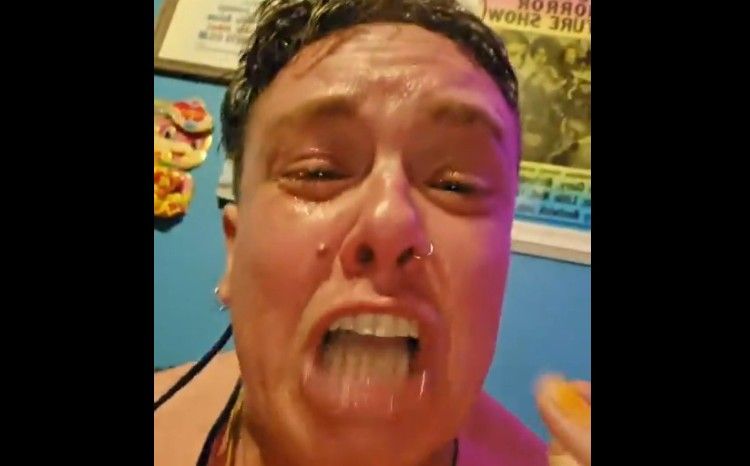
In the wake of the tragic death of Renee Nicole Good, shot and killed by an ICE agent in Minneapolis early this month, the emotional tone online rapidly skipped over mourning and debate to something far less productive — and far more unhinged. This is a lethal mix of grief, partisanship, and performative outrage that does nothing to clarify what happened or to help prevent future tragedies, but instead drives division deeper into the heart of our nation.
Actor James Woods shared a clip on X calling out such behavior with the simple — and sadly understated — observation: “These are really sad people.” In response, some wrote back that those who have taken to dramatic public displays online are not just saddened, but “emotionally unstable and dangerous.” That’s not an exaggeration — it’s a recognition that radicalizing a tragedy on the basis of identity politics and grievance weakens social trust and invites further conflict.
Let’s be clear: there is no evidence that this law enforcement encounter had anything to do with the victim’s sexual orientation. Claims that the ICE agent shot Ms. Good because she was queer are not just unfounded — they are absurd. This tragic incident has already fractured public opinion, with some defending the agent’s use of force as lawful and others condemning it as excessive. Adding unrelated identity-based narratives only muddles the discussion and feeds tribal conflict.
But that’s the point for some on the Left: when a narrative fits a grievance, it becomes untethered from facts and grows wings of its own.
This is not how serious political discourse works.
Protest and scrutiny are healthy in a functioning democracy. But when the same activists who are questioning the use of force suddenly pivot to claims like “this was because she was queer,” we step onto a slippery slope of grievance amplification.
Worse, this kind of rhetoric doesn’t just inflame emotions — it has real public safety implications. Elected officials on the Left have already used this shooting to stir their base against ICE and federal law enforcement in language that encourages defiance of legal authority. That’s reckless. Whether one believes the agent’s actions were justified or not, the question should be about evidence, accountability, and proper procedure.
The most dangerous rhetoric isn’t the occasional overblown viral post — it’s the everyday amplification of narratives that suggest this country is fundamentally irredeemably biased against one group or another. When that becomes the default assumption — and when every tragedy is reframed as another instance of group oppression — we lose our capacity to assess events on their merits.
This is precisely what drives people toward extremes, and in the worst scenarios, toward violence.
We should mourn loss of life. Emotional reactions have their place in personal grief. But public policy debates require facts, context, and a level head.
And until we return to that standard, we risk tearing this country apart — not through open warfare, but through perpetual grievance, misinformation, and cultural exhaustion.
We can do better than this. We must.
They really are sad people. pic.twitter.com/1rQZ4c1TRp
— James Woods (@RealJamesWoods) January 11, 2026












lkj