For nearly two years, Americans have been told not to believe what they watched with their own eyes during Joe Biden’s catastrophic 2024 debate performance. Now, in a twist that sounds less like political accountability and more like a damage-control book tour, former First Lady Jill Biden is offering a dramatically different account of what she supposedly thought that night.
The problem? Her former spokesman isn’t buying it.
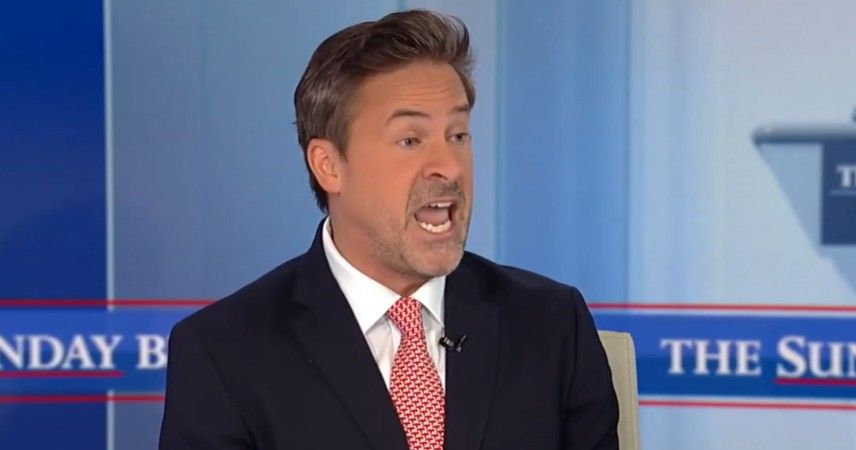
Michael LaRosa, who once served as Jill Biden’s chief spokesperson, says the former first lady appears to be trying to rewrite public memory about her role in the fallout from the debate that helped sink her husband’s reelection campaign.
According to LaRosa, the effort amounts to an attempt to “change the tape” — reshaping how Americans remember her reaction as concerns about the former president’s cognitive and physical condition continue to dominate discussion of his White House years.
The contrast is hard to miss.
Immediately after the debate, Americans watched Jill Biden enthusiastically praise her husband before a cheering crowd. “You did such a great job, you answered every question, you knew all the facts,” she told him as Democrats scrambled to contain the political damage. Fast forward to 2026, and the story sounds very different.
In a recent television interview promoting her memoir, Jill Biden recalled watching the debate and thinking: “Oh my God, he’s having a stroke.” She added that the performance “scared me to death.”
That admission sparked a fresh wave of criticism because it directly clashes with the reassuring public posture she displayed in the immediate aftermath of the debate. Critics argue that if she truly believed something medically alarming was unfolding before a national audience, her public response at the time looked nothing like genuine concern.
LaRosa suggested that Americans are now seeing an effort to align her retrospective account with what millions of viewers already concluded that night. He argued that had she publicly expressed fear and concern in real time, the response would have appeared far more authentic and relatable than the enthusiastic praise that followed the event.
For many conservatives, the debate was the moment the political establishment could no longer hide what voters had been noticing for years. While Democratic officials and much of the media initially insisted Biden merely had an off night, Republicans pointed to the performance as evidence of a deeper and longer-running decline.
Those questions have only intensified since Biden left office. Journalists and authors who have examined the final years of his presidency have reported that aides privately grappled with episodes that were difficult to predict and increasingly challenging to manage behind the scenes.
Axios reporter Alex Thompson, who co-authored reporting on Biden’s presidency and its internal struggles, recently noted that aides had described similar incidents occurring both before and after the debate. According to those accounts, the behavior viewers witnessed on stage was not necessarily an isolated event but part of a broader pattern that insiders had observed.
That is what makes the latest round of memoir revelations so politically explosive. The debate itself is old news. The real question is how much more key figures around Biden knew while insisting everything was under control.
Americans watched the debate live. They drew their own conclusions. No amount of memoir marketing, retrospective shock, or reputation management can erase what unfolded on national television that night.
🚨 BOMBSHELL from inside the Biden camp 🔥
Jill Biden’s **former press secretary** just unloaded:“Their instincts are always, always, always to protect and to hide.”
They spent a YEAR keeping Joe out of public view, making “accommodations,” and shielding him — then… pic.twitter.com/KpcwdadMan
— ✞🎀TrumpGirlOnFire 🔥 (@TrumpGirlOnFire) May 30, 2026
Jill Biden's memoir fuels controversy over Joe's debate performance | https://t.co/kJoG3NRCGC
— thedailybs w/ Snerdley (@thedailybs_Bo) June 1, 2026