THE DAILY BS: HOW MUCH CAN YOU HANDLE?
SPARE ME THE BS (I’ve got things to do).
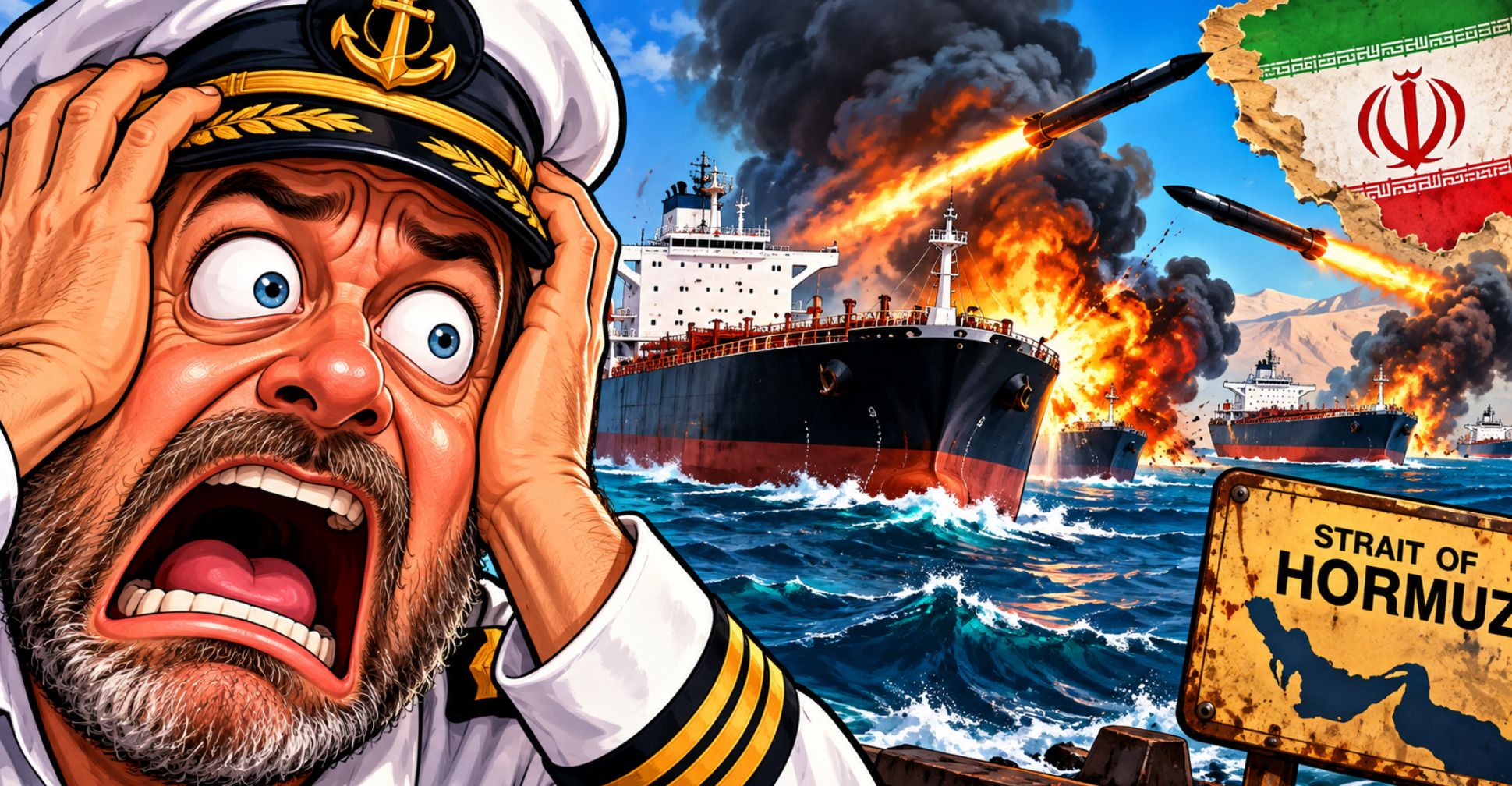
- Reports indicate approximately 24 commercial vessels have been attacked around the Strait of Hormuz over roughly two weeks.
- The International Maritime Organization says approximately 6,000 seafarers remain unable to depart safely.
- Iran has separately accused American forces of misusing an international maritime emergency radio channel.
LAY IT ON ME (I’ve got time).
There are about 6,000 sailors near the Strait of Hormuz who would undoubtedly love to be having the same argument Americans are having about the price of gasoline.
Unfortunately, they’ve got a more immediate concern: Getting out alive.
A new warning Sunday from the United Nations’ top maritime official underscored the deteriorating security situation around one of the world’s most important shipping routes.
International Maritime Organization Secretary-General Arsenio Dominguez discussed the dangers facing commercial vessels as reports indicated approximately 24 ships had been attacked over roughly two weeks.
That’s an extraordinary number of attacks on civilian shipping in such a short period.
The roughly 6,000 stranded seafarers are not a newly discovered population. The IMO had already reported that figure in August. What makes the latest development newsworthy is the mounting violence against ships and the continuing inability to secure safe passage.
Since the regional conflict began in February, maritime crews have endured months of disrupted routes, dangerous conditions and uncertainty about when they can leave.
These are ordinary merchant sailors, not combatants. Their vessels carry goods that help keep economies functioning, including fuel and industrial supplies.
And every attack increases the danger to crews while threatening trade and energy markets far beyond the Persian Gulf.
Sunday’s warning also followed a new dispute over the use of VHF Channel 16, the international emergency radio frequency used by ships.
Iran accused American forces of using the channel to intimidate civilian crews. U.S. Central Command defended its blockade enforcement procedures, saying its operations include warnings to noncompliant vessels.
The Iranian allegation has not been independently verified, but the broader maritime danger is real.
The IMO has repeatedly called for protection of civilian shipping and restoration of freedom of navigation through the strait.
Meanwhile, governments continue their strategic arguments while thousands of sailors remain caught in the middle.
It’s an arrangement that works wonderfully for the people issuing statements from comfortable offices. Considerably less so for the men and women on ships that cannot safely leave.
DBS WIRE SOURCES (I’ve got all day).
- Fox News — New attacks and IMO secretary-general’s warning
- International Maritime Organization — Official August statement on stranded crews
- New York Post — Escalating attacks and maritime-security dispute