For weeks, Democrats, immigration activists and anti-ICE protesters have painted Newark’s Delaney Hall detention facility as the latest symbol of alleged federal cruelty. Lawmakers toured the facility, activists staged demonstrations and headlines warned of a growing “hunger strike” among detainees.
There’s just one awkward problem with that narrative.
According to Department of Homeland Security figures, detainees who were supposedly refusing food were apparently keeping the commissary cash register plenty busy.
New data released by DHS shows that while Delaney Hall’s detainee population actually dropped during the period in question, spending at the facility’s commissary nearly tripled.
That’s right. The alleged hunger strike coincided with a shopping spree.
Regional media outlets began reporting around May 23 that detainees had launched both a hunger strike and a labor strike inside the Newark facility. The reports quickly became political ammunition for Democratic lawmakers who descended on the center warning of deteriorating conditions, poor food and mistreatment.
Sen. Andy Kim and several New Jersey Democrats echoed the claims after visiting the facility, while anti-ICE protesters repeatedly clashed with federal agents outside the complex. But DHS officials say the story being sold to the public simply doesn’t line up with the numbers. On May 26, Delaney Hall housed 724 detainees. During the preceding week, the facility’s commissary generated $11,498 in sales. By June 1, the detainee population had fallen to 621 — roughly a 14% decrease. Yet commissary sales had skyrocketed past $30,000.
In other words, fewer detainees were inside the facility, but far more money was being spent on snacks, drinks and personal items. That raised an obvious question: How widespread could a hunger strike really have been if commissary purchases were exploding?
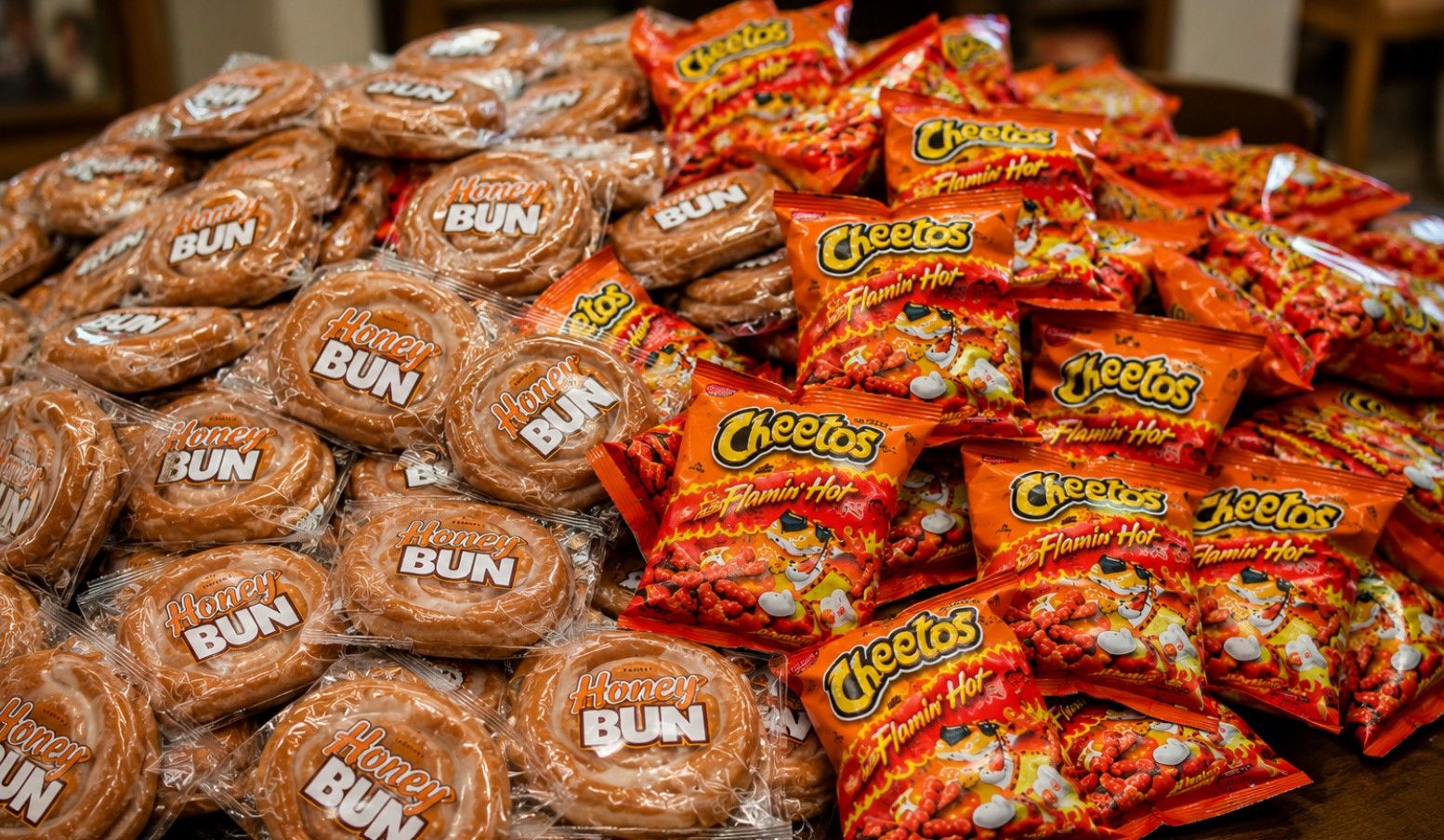
DHS Deputy Press Secretary Lauren Bis didn’t sugarcoat it, saying. “The hunger strike hoax was actually just Delaney Hall detainees trading nutritious meals for Honey Buns and Hot Cheetos.”
Bis also took aim at politicians who have made the facility a centerpiece of their attacks on federal immigration enforcement.
“It’s time for sanctuary politicians to drop the political theater and work with us to get criminal illegal aliens out of our communities.”
The agency has also pushed back aggressively against claims about food quality and facility conditions.
DHS officials note that detainees have access to a commissary menu featuring dozens of items, including snacks, beverages, hygiene products, stationery and other everyday goods. Available items reportedly include Cheetos, Hawaiian Punch, summer sausage, lotions and greeting cards.
Meanwhile, conflicting accounts from Democratic visitors have only added to the confusion.
Rep. Herb Conaway Jr. arrived at Delaney Hall declaring himself “horrified and outraged” by reports of inhumane conditions. Yet after touring portions of the facility, including the mess hall and infirmary, he acknowledged he did not personally observe “major concerns.”
Conaway nevertheless called for additional state inspections.
“I had the opportunity, along with Congressman Norcross, to meet with about 20 women. Some have been here for over a year. Others have been a certain several months. Many of them had concerns, a lot of concerns. Some regarding their health. Most had family members, children; loved ones outside of this facility and certainly they miss them very deeply and want to get back to their lives.”
He added:
“It’s critical that the appropriate state authorities get into this building and get into this right away, do their job, and then let the public understand what’s going on. I think that’ll be better for everybody if that’s done.”
Not every lawmaker offered such a measured assessment.
Rep. Jerrold Nadler emerged from a separate visit alleging that food was scarce and claiming detainees were being fed on an unusual schedule. He further asserted that detainees were “very often” eating food contaminated with maggots — an allegation DHS flatly rejects.
Questions have also been raised about medical care inside the facility. Activists have repeatedly claimed detainees face lengthy waits for treatment.
Yet observers noted ambulances from a nearby Newark hospital arriving regularly throughout the week, a reality DHS supporters argue undercuts accusations that medical needs are being ignored.
The broader political fight over Delaney Hall reflects a national battle over immigration enforcement, detention policy and border security. Since President Donald Trump returned to office, Democratic lawmakers and activist groups have intensified scrutiny of ICE facilities across the country, while administration officials argue critics routinely exaggerate conditions to score political points.
At Delaney Hall, the debate may ultimately come down to one stubborn fact.
If a hunger strike was sweeping the facility, somebody forgot to tell the commissary.
Because while politicians held press conferences and protesters shouted through megaphones outside the gates, inside the detention center the sales figures suggest plenty of Honey Buns and Hot Cheetos were still finding eager customers.