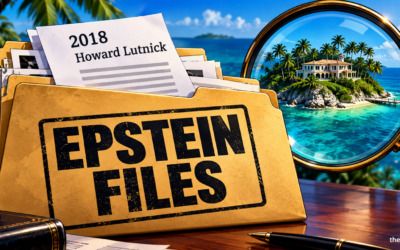
The Jeffrey Epstein story was supposed to be over.
The files were released ( kind of). The media declared the case closed (sort of). The political class breathed a sigh of relief (not really).
Not so fast.
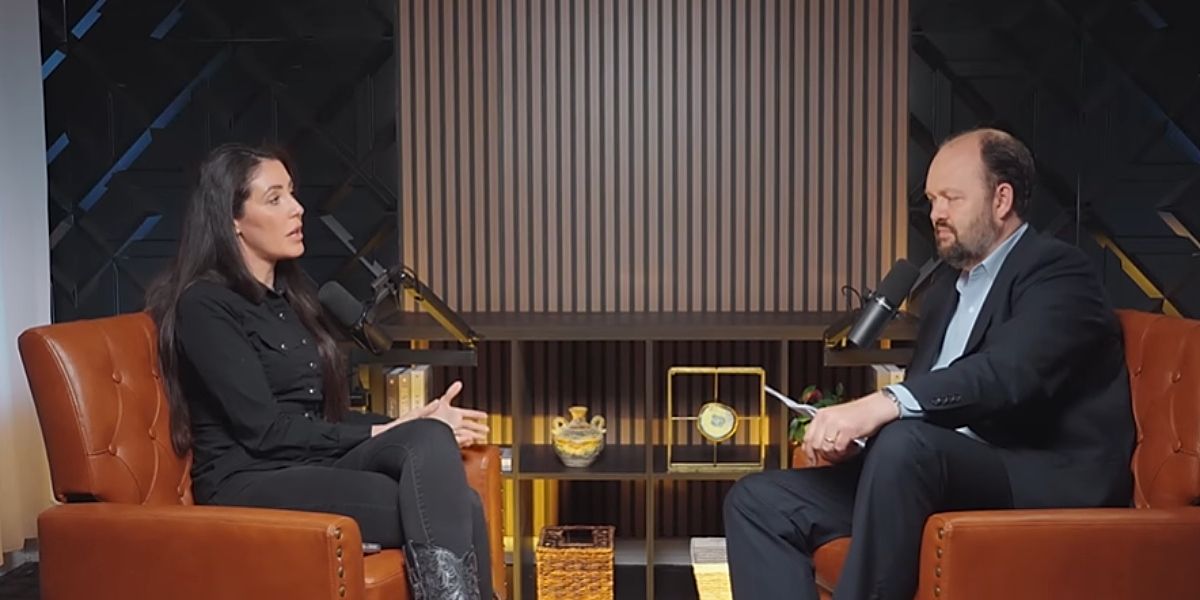
Rep. Anna Paulina Luna (R-Fla.), one of Congress’s most aggressive advocates for government transparency, isn’t buying the idea that Americans have seen the full picture. And during a lengthy interview with New York Times columnist Ross Douthat, Luna laid out why she believes there are still major unanswered questions surrounding Epstein’s operation, his connections, and what federal agencies may have known.
The discussion also touched on a favorite target of the corporate media: President Donald Trump’s handling of the Epstein files. Douthat repeatedly pressed Luna on why Trump appeared reluctant at times to push for public release of the documents.
Luna pushed back on the premise, arguing that she personally urged the administration to release the material and turn it over to congressional oversight. “I actually remember calling over and saying, ‘Hey, I think you guys should just release these. Give the files to oversight.’ And they said OK.”
According to Luna, a major obstacle involved the massive review process required to protect victims’ identities before documents could be released. “The problem is that the timeline and the second order of documents came out of a judge from New York,” she explained. “So you had the D.O.J. that allocated, I think it was 500 attorneys at once, trying to go through and redact victim information.”
Fair enough. But the bigger issue remains the same question millions of Americans have asked for years: Why did it take so long?
Douthat also pointed to Trump’s public frustration during the controversy, including comments dismissing accusations and media narratives surrounding the case. Luna defended the president, arguing that anyone falsely accused of horrific crimes would likely respond forcefully. “I think when he said ‘Democrat hoax,’ and I think that Karoline Leavitt clarified this, in that when you have someone that’s accusing you of trafficking people and saying that you are a rapist, that you are going to get upset and you’re going to call it — like, if I was being accused of that, I would probably say the same thing.”
More notably, Luna emphasized that her own interactions with Trump were productive rather than confrontational. “I want to be clear that my conversations with him were not personal and nasty, and I was the biggest proponent of releasing these things.”
But the most eye-opening moment came when the conversation turned to what Epstein may have really been. For years, speculation has swirled around whether the disgraced financier was merely a wealthy sexual predator with powerful friends—or something more.
Douthat argued that after reviewing released records, he found less evidence of a vast conspiracy than many expected. While he acknowledged the possibility of foreign intelligence connections, he said he did not see clear proof of an organized blackmail operation.
Luna wasn’t convinced. While reviewing previously unredacted Justice Department records, she said she discovered something that immediately raised red flags. “So I discovered a document in going through some of the records unredacted over at the D.O.J., and he did have an alias. It was a passport, and his address was located, I think, in Saudi Arabia. I believe it was an Austrian passport. And that was in his safe that he had with a bunch of other cash, diamonds, et cetera.”
That revelation struck Luna as highly unusual. “Most people don’t have a completely fake name in a safe with that type of information.”
Her conclusion? “That was my first kind of, all right, he definitely had intel connections. I think the guy dealt in intelligence and exchange of information.”
The claim echoes years of public speculation surrounding Epstein’s international contacts, private jet network, elite social circles, and the extraordinary protections he appeared to receive from influential figures over multiple decades.
Yet Luna says the biggest mysteries remain unresolved. “The thing that will always be a question for me, and I don’t think that we’re ever going to get the answer on this, is: What happened with the alleged evidence that was destroyed?”
That’s the question that continues to haunt the case. Not who attended a party. Not who posed for a photograph. But what evidence may have disappeared, who had access to it, and why.
Luna also raised another uncomfortable possibility that critics of the official narrative have highlighted for years. “This type of operation could not have existed without the intelligence agencies knowing about it, so what exactly was he doing?” That’s the multi-billion-dollar question.
Epstein is dead. Many records have been released. Endless headlines have come and gone.
Yet despite years of investigations, congressional inquiries, media exposés, lawsuits, and document dumps, the public is still left staring at the same troubling reality: a man with extraordinary access to the world’s rich and powerful somehow built an international sex-trafficking enterprise in plain sight.
Washington insists the story is largely finished. A number of Americans aren’t so sure.