Britain just took another stride into what critics are calling its fast-expanding “nanny state era,” after Prime Minister Keir Starmer announced plans to ban social media access for anyone under the age of 16.
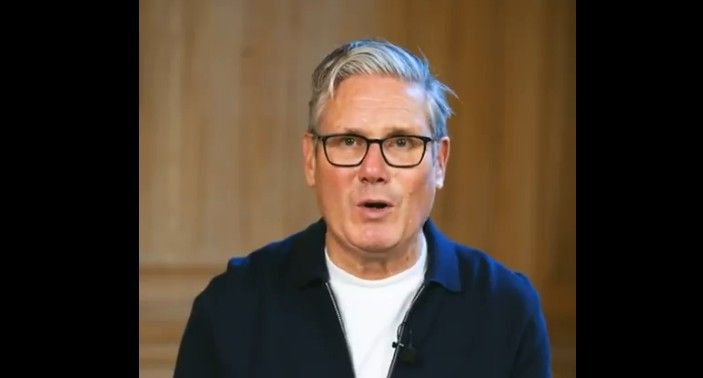
Framing it as a rescue mission for childhood itself, Starmer argued that platforms like TikTok and Instagram have become more of a digital hazard than a harmless pastime. In a video posted to social media, he declared:
“We are banning social media access for under 16s.”
He added:
“These days kids must find their feet in a world where technology intrudes into every area of their life. I just can’t let that go on anymore. So we’re giving children their childhoods back.”
And in a follow-up message, he doubled down on the justification:
“It’s a big step for our country. Social media is making our children unhappy and unsafe, and as a parent, as much as a Prime Minister, I just can’t let that go on anymore.”
The proposed restrictions would hit the usual digital giants—Facebook, Instagram, Snapchat, TikTok, YouTube, and X—platforms that have become central to teenage life, culture, and communication.
Supporters of the move argue it’s a long-overdue correction in an era of algorithm-driven addiction, cyberbullying, and mental health concerns. But critics see something very different: a sweeping expansion of state control over how young people access information online.
Opponents of the plan warn that enforcing a blanket under-16 ban would be far from simple. In practice, they argue, it would likely require universal age verification systems for all users—fueling concerns about digital identity checks becoming a de facto requirement for internet access.
That’s where the controversy intensifies. Detractors claim the policy could open the door to broader online ID frameworks, effectively turning age verification into a gateway for wider digital tracking—something Starmer has been politically linked to in broader tech regulation debates.
While the government insists the goal is child safety, skeptics hear echoes of a larger question looming over modern Britain: how much control is too much when the state starts setting the rules for who gets to access the digital public square?
To add to the controversy, critics are saying that the uber liberal platform Bluesky is exempt from the ban. There has been no evidence confirming that so far.
The UK government’s plan (as outlined in official guidance and reporting) targets “user-to-user” social platforms that enable public posting, algorithms, and social interaction. That category is deliberately broad and includes major platforms like TikTok, Instagram, X, Facebook, Snapchat, and YouTube.
Bluesky fits that definition because it is a social networking service with public posts, follows, replies, and algorithmic feeds, even though it runs on a decentralized system.
🇬🇧 UK announces ban on social media for under-16-year-olds
The ban covers 10 social media apps, including X, that they have labeled “high-risk.”
One app that didn’t make the cut? Bluesky, the platform drowning in woke leftist BS.
Soon to be ex-PM Keir Starmer can’t have young…
— Mario Nawfal (@MarioNawfal) June 15, 2026