

Washington’s latest legislative showdown is shaping up exactly the way it always does: high stakes intelligence policy, a pile of political baggage, and Republicans arguing with each other in broad daylight.
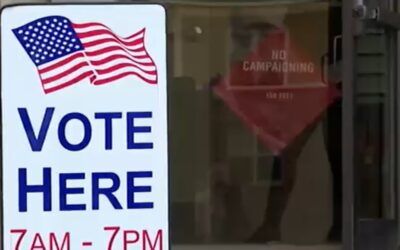
This time the fight centers on the renewal of Section 702 of the Foreign Intelligence Surveillance Act—Washington’s long-running warrantless surveillance authority—while President Donald Trump is demanding it be tied to passage of the SAVE America Act, his signature voter identification push heading into the midterm cycle.
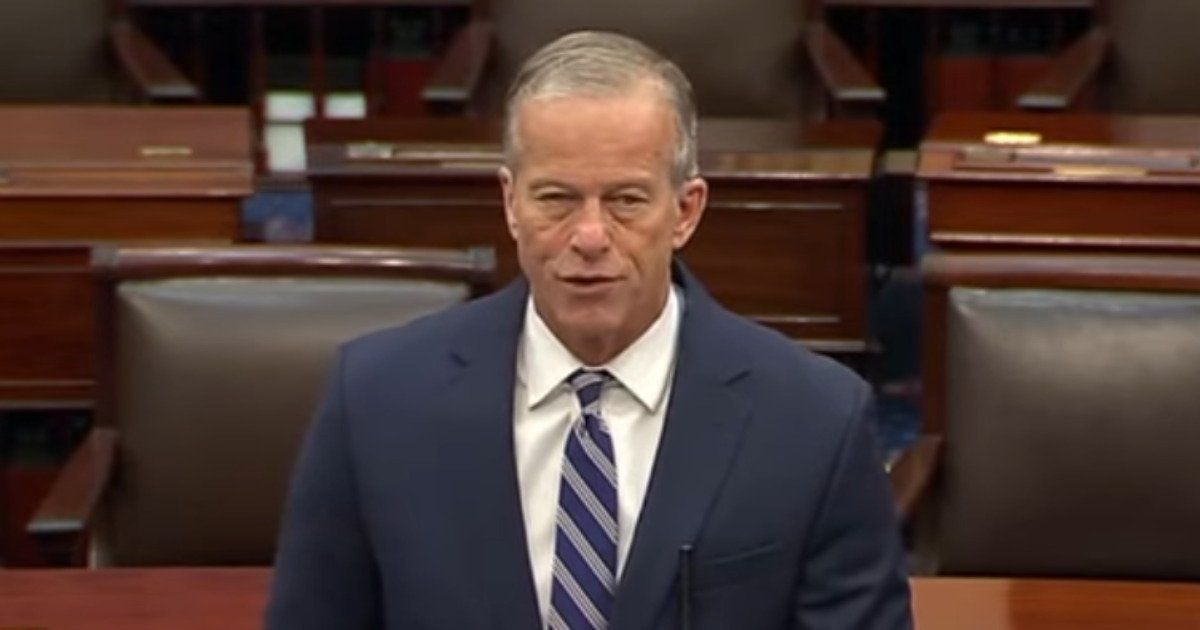
But Senate Republicans, under Majority Leader John Thune, are signaling that package deal isn’t happening. Thune made it clear on Capitol Hill that attaching the SAVE Act to the FISA renewal is “unrealistic,” a word that in Senate language usually translates to: don’t hold your breath.
Instead, Thune is focused on moving the surveillance reauthorization on its own timeline, telling reporters the Senate will proceed “as soon as we feel like we have the votes to do it”—a classic Washington phrase that leaves room for everything and commits to nothing.
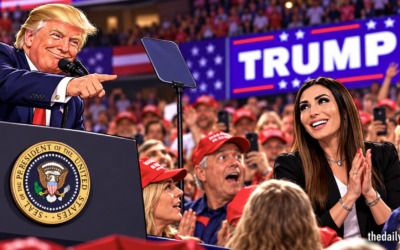
Trump, meanwhile, has been turning up the pressure publicly, blasting out a Truth Social post tying his support for FISA renewal directly to the SAVE Act and venting at both Democrats and Republicans he sees as dragging their feet. He wrote: “A few Dumocrats are against FISA, with or without Bill Pulte going to DNI, as Acting. What kind of a deal is that. Besides, I’m against FISA if it doesn’t come with The Save America Act (Full version!) firmly attached to it. MAKE AMERICA GREAT AGAIN!”
That demand has not exactly been warmly received in the Senate GOP. Behind closed doors, some Republican lawmakers are openly frustrated with the repeated attempts to attach the voter ID measure to unrelated must-pass legislation, with one senator dismissing the SAVE Act’s return as something like the “Night of the Living Dead.”
Thune has also pointed to possible movement on the intelligence front, suggesting that confirmation of Jay Clayton as director of national intelligence could ease Democratic resistance to extending Section 702, which some lawmakers have opposed in protest of personnel disputes involving acting intelligence leadership arrangements tied to Bill Pulte and the transition following Tulsi Gabbard stepping away due to personal family circumstances.
Still, the deeper tension is clearly political rather than procedural. Trump-aligned Republicans insist voter ID legislation is both popular and essential, arguing it should not be sidelined or watered down. Senator Mike Lee has been among the most vocal, pushing the idea that the Senate should stay in session as long as necessary—even through weekends—to force passage, rather than letting the issue stall.
House Republicans and conservative allies are echoing that sentiment, framing the SAVE Act as a straightforward election integrity measure with broad public backing, and accusing Senate leadership of avoiding politically difficult votes rather than confronting them.
For now, though, the math in the Senate is what it is. Leadership wants a clean FISA reauthorization. Trump wants a bundled legislative win. And neither side appears willing to give ground.






Thune is a gutless RINO. You need and ID to cash a check or get your welfare payment so why not to vote?