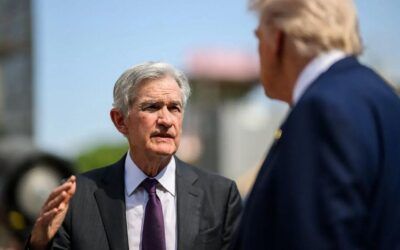
FBI Director Kash Patel stunned observers Tuesday when he publicly revealed that federal authorities had disrupted what officials described as a planned drone attack targeting the heavily publicized UFC event held on the White House South Lawn over the weekend.
Patel announced that the FBI, working alongside the Department of Justice and other law enforcement agencies, had arrested multiple suspects and prevented what he characterized as a potentially catastrophic attack before it could get off the ground.
According to details first reported by Fox News Digital and later confirmed by multiple outlets, investigators allegedly uncovered communications involving more than two dozen individuals discussing operational plans connected to the event. Authorities say the scheme centered on weaponized drones packed with explosives that would have targeted areas near the gathering, triggering panic and forcing crowds into predetermined escape routes.
Officials reportedly believe the resulting chaos would have funneled attendees toward locations where armed attackers were allegedly positioned. Investigators also examined claims that a second phase of the operation involved an attempt to breach White House security barriers amid the confusion.
Federal authorities have indicated that those arrested are American citizens from several states. Additional arrests may still be possible. But while the alleged attack plot itself is alarming, the bigger fight in Washington may now be over Patel’s decision to disclose details before investigators were ready.
NBC News correspondent Ken Dilanian reported that Secret Service officials were privately enraged by the announcement. Citing individuals familiar with the investigation, Dilanian reported that the criminal case remained under seal when Patel posted about it and that not all suspects had been apprehended.
According to that reporting, FBI and Secret Service personnel had been working jointly on the case and had been discussing a coordinated public announcement after investigators completed additional arrests and prosecutors moved to unseal court filings.
Instead, officials reportedly woke up to find Patel had already broken the news himself. “We all woke up this morning to see this on Twitter,” one administration official told NBC News. The complaint, according to the report, was not that the case became public but that it became public before investigators believed the operation was fully wrapped up.
That frustration appeared to spill into public view during a Tuesday press conference when Secret Service Deputy Director Matt Quinn delivered what many interpreted as a not-so-subtle jab at someone eager to celebrate. “I’ll tell you a phrase I learned early in my career in the New York field office and that’s ‘Don’t choke on your own smoke,’” Quinn said. He then emphasized, “The Secret Service led that investigation from the beginning. I’ll tell you that case is ongoing. In order to maintain the integrity of the investigation and the security plan, we chose not to leak it.”
To be fair, Patel’s supporters argue that Americans deserve to know when a serious threat against a major public event — particularly one held at the White House — has been neutralized. They also note that transparency about successful counterterrorism operations can reassure the public that law enforcement remains vigilant.
Critics counter that operational security matters more than social media applause and that prematurely disclosing details can complicate efforts to track down remaining suspects.
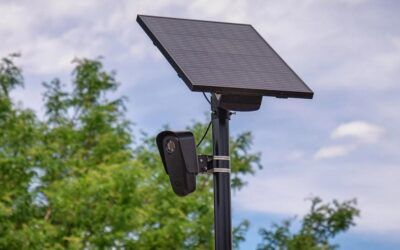
Either way, the alleged plot itself raises disturbing questions. The increasing availability of sophisticated drones has become a growing concern for security officials worldwide, and recent federal warnings have highlighted the challenge of defending high-profile events against low-cost aerial threats.