


SOURCE: MSN, Raw Story “US ally in ‘state of panic’ over Trump’s betrayal: ex-CIA official”
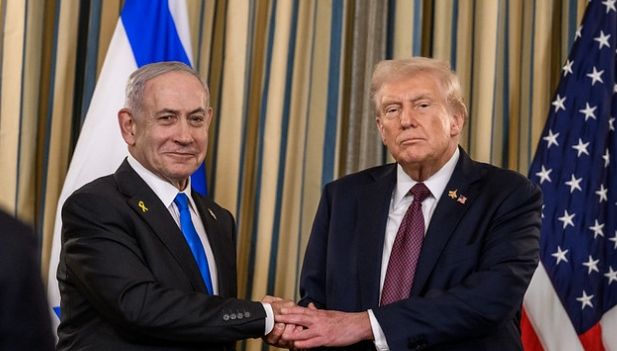
(Official White House Photo by Joyce N. Boghosian)
This is a classic case of a story being pushed through a liberal frame rather than presented as a straightforward analysis of events.
That doesn’t mean every fact in the piece is wrong. Israel may genuinely have concerns about any agreement involving Iran. Some Israeli officials and analysts may indeed be unhappy with the outcome. But the headline and overall presentation steer readers toward a predetermined conclusion: Donald Trump “betrayed” an ally.
The article leans heavily on a former CIA official making sweeping claims about what an entire country supposedly thinks while relying on anonymous conversations and colorful metaphors instead of hard evidence. The headline practically writes the verdict before readers reach the first paragraph.
If the goal was to inform readers about disagreements between Washington and Jerusalem, that’s a legitimate story. Instead, readers get another installment of the long-running cable-news drama: “This is finally the moment Trump loses everyone.”
We’ve seen that movie before.
The centerpiece of the article is the claim that Israelis are supposedly in a “state of panic.” One cited source allegedly said: “I can’t believe this is happening.”
Another analyst reportedly offered this colorful assessment: “Benjamin Netanyahu decided to ride the tiger — that’s Donald Trump. And the tiger just turned around and just bit him on the rear end.”
That’s certainly vivid imagery.
Statement by Prime Minister Benjamin Netanyahu at the press conference last night:
”Dear citizens of Israel,
For decades, I have been fighting against Iran’s efforts to arm itself with nuclear weapons. I can define it as my life’s mission. I have met this challenge to this… pic.twitter.com/U6vfY2svX9— Prime Minister of Israel (@IsraeliPM) June 16, 2026
Notice what’s missing. There’s no polling showing widespread panic. There’s no evidence that Israel’s government is collapsing into chaos. There’s no demonstration that America’s alliance with Israel has suddenly evaporated.
Instead, readers are handed a collection of dramatic quotes and invited to conclude that catastrophe is unfolding.
The article’s most revealing line may be this one: “Because Trump was no dedicated, you know, savior. He was not the messiah for Israel. He’s too transactional.”
Now we’re getting closer to the real story.
For years, critics attacked Trump as recklessly pro-Israel. They blasted decisions ranging from recognizing Jerusalem as Israel’s capital to brokering the Abraham Accords and taking a harder line against Iran than previous administrations.
Now, according to this narrative, Trump’s problem is that he isn’t enough of a “messiah.”
That’s quite a pivot.
The piece also tries to rehabilitate former President Biden’s standing with Israeli supporters by emphasizing military assistance: “Let’s not forget at the end of the Biden administration, if you calculate what President Biden did after October 7th, he gave the Israelis $18 billion in military aid. Yet somehow, he is seen as not a supporter of Israel. That was preposterous.”
Whether readers agree or disagree with that assessment, its inclusion reveals another layer of framing. What begins as a story about Trump’s supposed betrayal gradually transforms into a defense of Biden’s record.
The reality is that American presidents often balance competing interests in the Middle East. Israeli leaders don’t always get everything they want. Neither do Saudi leaders, European allies, or American voters.
Diplomacy frequently involves outcomes that disappoint somebody. But disappointment is not the same thing as betrayal. And disagreement is not the same thing as panic.
The article treats Trump’s transactional approach as a shocking revelation. In truth, supporters have viewed it as one of his defining characteristics for years. Trump has consistently framed foreign policy through the lens of leverage, negotiation, and national interests rather than ideological crusades.
Critics hate that approach. Supporters elected him because of it.
In the end, this story feels less like a sober examination of geopolitical tensions and more like another attempt to squeeze a familiar narrative into the headlines: Trump let people down, Trump isn’t who supporters thought he was, and this time everyone is finally realizing it.
Maybe some Israeli officials are frustrated. Maybe some analysts are worried. Those are fair topics for reporting.
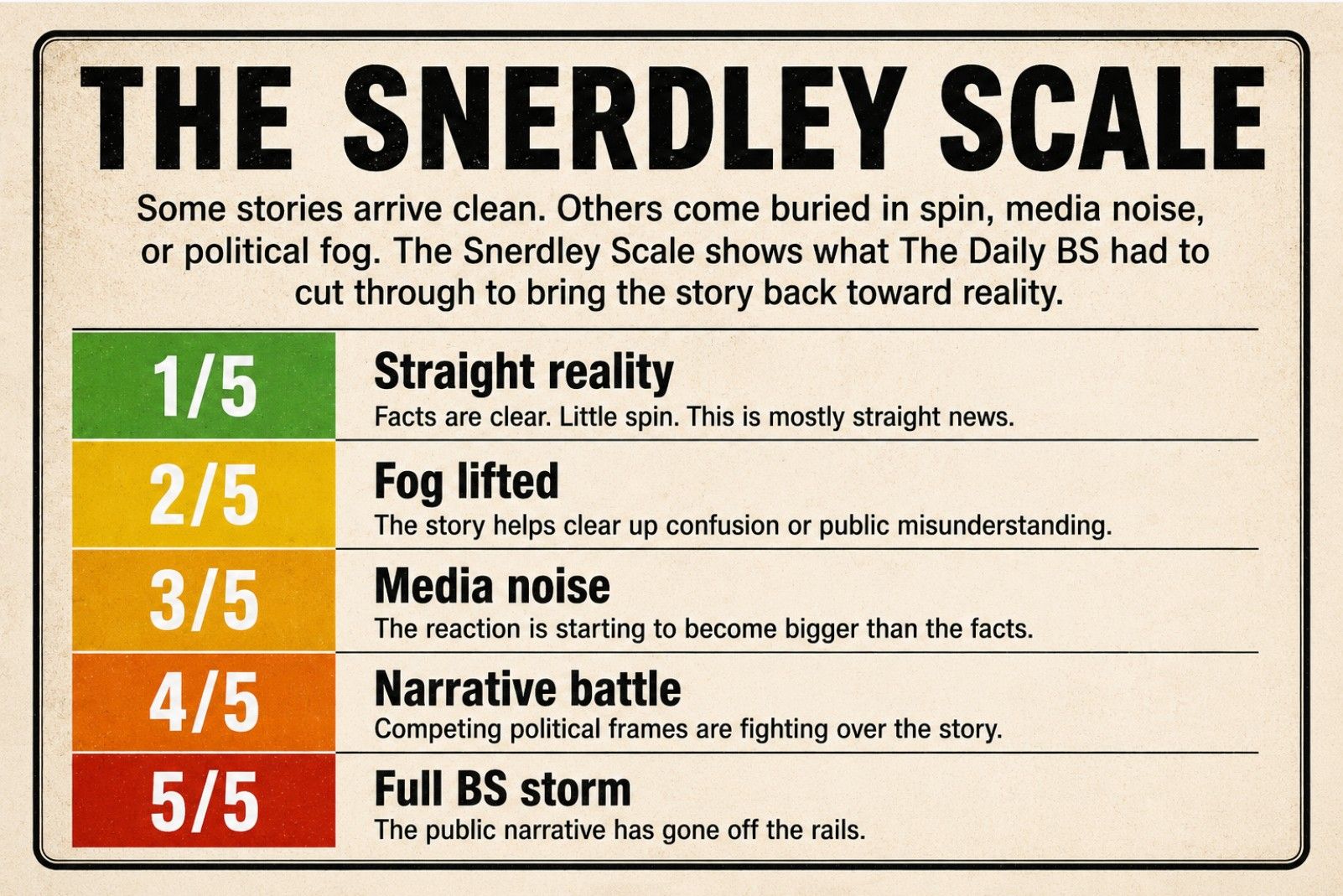
But jumping from selected interviews to a headline declaring “betrayal” and suggesting a nationwide “state of panic” is exactly why this lands at a 4 out of 5 on the Snerdley Scale.
The facts may be real.
The framing is doing cartwheels.










I am very pleased to see this. The “Trump is furious at Israel” (for defending itself)(for screwing up his ego trip) and is going to turn into Tucker Carlson (not in this life or any other) just never could have been true.