


Source: CBS “Arrests of immigrant parents create mental health crisis for children”

(CBP Photo/Brian Sowards)
If you’re looking for a textbook example of how modern progressive media frames immigration stories, this one checks every box.
The headline, “Arrests of immigrant parents create mental health crisis for children,” immediately steers readers toward a predetermined conclusion: immigration enforcement itself is the villain. Not illegal immigration. Not years of unresolved legal status. Not a broken asylum system. Not politicians who promised open-ended protections they couldn’t legally guarantee. The enforcement of immigration law is cast as the sole cause of the tragedy. That’s not reporting. That’s framing.
To be clear, nobody should celebrate children suffering. The stories presented are heartbreaking. Any child separated from a parent is likely to experience fear, anxiety, sadness, and uncertainty. But here’s what the article rarely pauses to examine: every nation has immigration laws, and every nation ultimately has to enforce them.
Instead, readers are led through a parade of emotionally devastating anecdotes designed to make immigration enforcement itself seem uniquely cruel. One pastor claims, “You can just see it in their faces; it’s almost like the light has been dimmed in their eyes.”
Powerful imagery. But it also illustrates the article’s central strategy. The focus isn’t on the legality of the cases, the broader immigration crisis, public safety concerns, border security failures, or the millions who followed legal immigration channels. It’s on emotional impact.
The piece repeatedly emphasizes that many detainees have “no criminal conviction” and reminds readers that unauthorized presence is “typically a civil offense.”
True enough. What it doesn’t spend much time discussing is that immigration violations still carry legal consequences. A person doesn’t become exempt from immigration law simply because they’ve built a life in America, have children here, or have avoided criminal convictions. If that standard applied universally, deportation would effectively cease to exist.
The article also leans heavily on the idea that routine ICE check-ins somehow became traps. Readers are encouraged to see enforcement actions as shocking betrayals rather than the predictable outcome of unresolved immigration cases that often stretch across multiple administrations.
That’s a critical omission.
Many of these cases involve years of legal proceedings, appeals, deferred actions, temporary protections, asylum claims, removal orders, and bureaucratic delays. Those complexities largely disappear beneath an avalanche of emotional storytelling.
Notice what else gets little attention: the costs borne by American citizens from decades of failed border enforcement.
I take it the “mental health” of children of American citizens who get arrested is just fine. Only the children of illegal immigrants suffer mental health issues when their parents are arrested.
Arrests of immigrant parents create mental health crisis for children…
— Bo Snerdley (@BoSnerdley) June 18, 2026
Where are the stories about communities overwhelmed by record migration flows? Where are the stories about schools struggling with sudden enrollment surges? Where are the stories about taxpayers funding housing, healthcare, education, and legal services? Where are the stories about legal immigrants who waited years, followed the rules, paid the fees, and watched politicians repeatedly reward those who didn’t?
Those perspectives rarely make the cut.
Instead, readers encounter lines like “My family was broken” and “It’s something that marks you for your whole life.”
Again, those feelings are genuine.
But they are also being deployed in service of a political narrative that enforcing immigration law is inherently immoral.
The article even cites estimates suggesting hundreds of thousands of children have experienced parental detention while connecting those figures to increased immigration enforcement funding.
That’s where the story shifts fully into the political arena. Because the actual policy debate isn’t whether family separation is painful. Everyone already knows it is.
The debate is whether a sovereign nation can maintain immigration laws at all.
Progressive activists often argue as if any meaningful enforcement is unacceptable because enforcement inevitably produces difficult human stories. Yet every deportation policy—from Obama to Biden to Trump—has generated difficult human stories.
The difference is whose stories the media chooses to spotlight. Perhaps the most revealing quote comes from a teenager who says, “Fun is over. It’s time to be an adult right now.”
It’s a sad statement. But it also unintentionally highlights the larger issue. America has spent decades avoiding adulthood on immigration policy. Politicians promised border security and failed to deliver it. They encouraged expectations that temporary protections were permanent. They refused to fix asylum loopholes. They ignored public frustration until the border crisis became impossible to deny.
Now the bill is coming due. The article wants readers to conclude that Trump’s enforcement agenda created the problem.
Many conservatives see it differently. They would argue that the real problem began long before any deportation order was executed. It began when politicians and activists promoted an immigration system where laws existed on paper but enforcement became optional.
A nation without borders is not a nation. A nation without enforcement is simply issuing suggestions.
The hardships described in this story are real. The grief is real. The tears are real.
But the article’s deeper message—that immigration enforcement itself is the crisis—is where the spin begins.
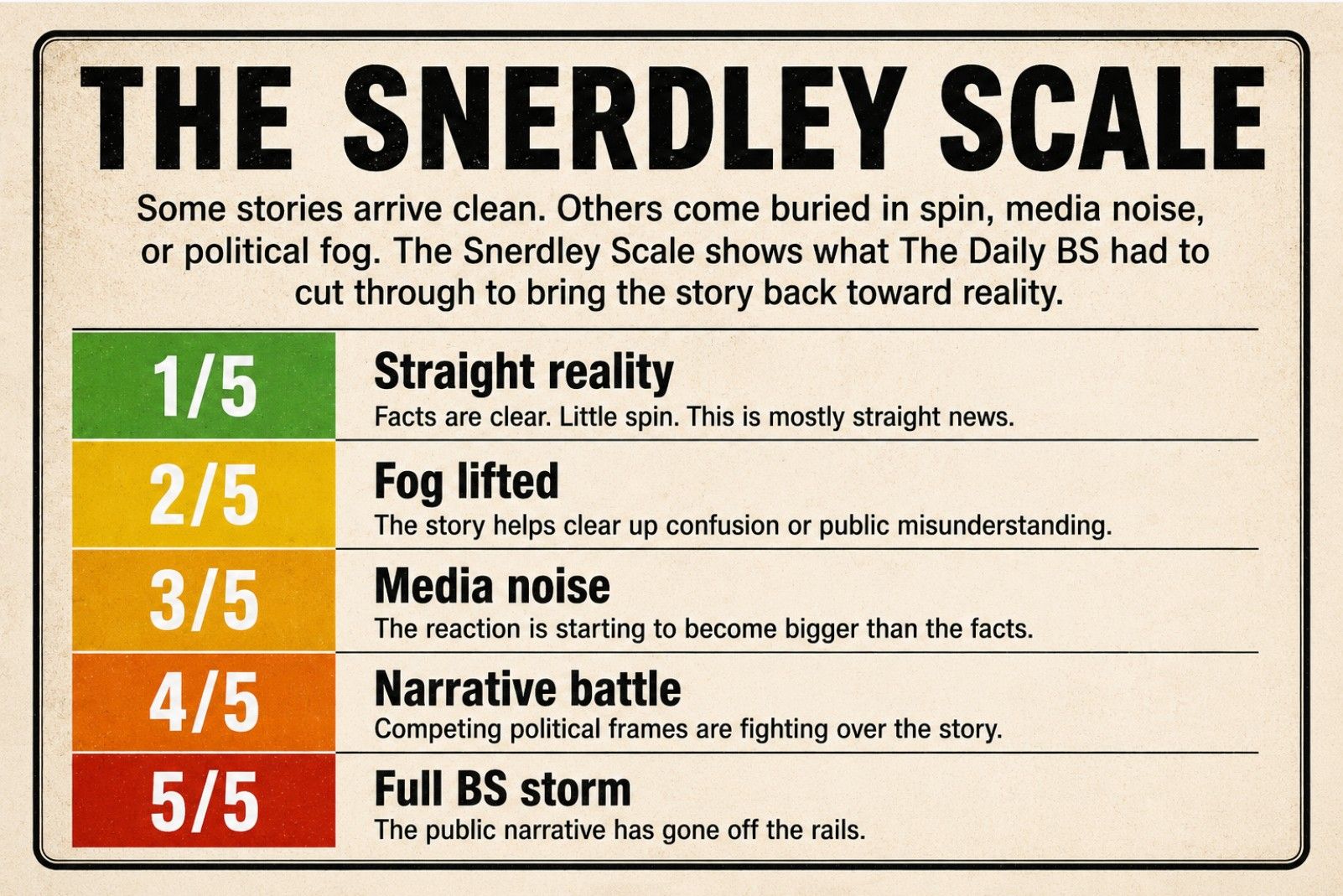
That’s why this lands firmly at a 4 out of 5 on the Snerdley Scale.
The facts aren’t entirely absent.
They’re just wrapped so tightly in emotional framing that readers are nudged toward one political conclusion long before they reach the final paragraph.











Parents can take their children with them back to the parents country of origin. American parents of children maimed, either physically or psychologically, to not have that option. In many cases, the children are dead.
No, I have no pity for the lame excuses of illegal aliens; send everyone back.