One of the most emotional arguments in America’s immigration debate has nothing to do with border walls, visas, or deportation statistics. It’s what happens when immigration enforcement collides with families.
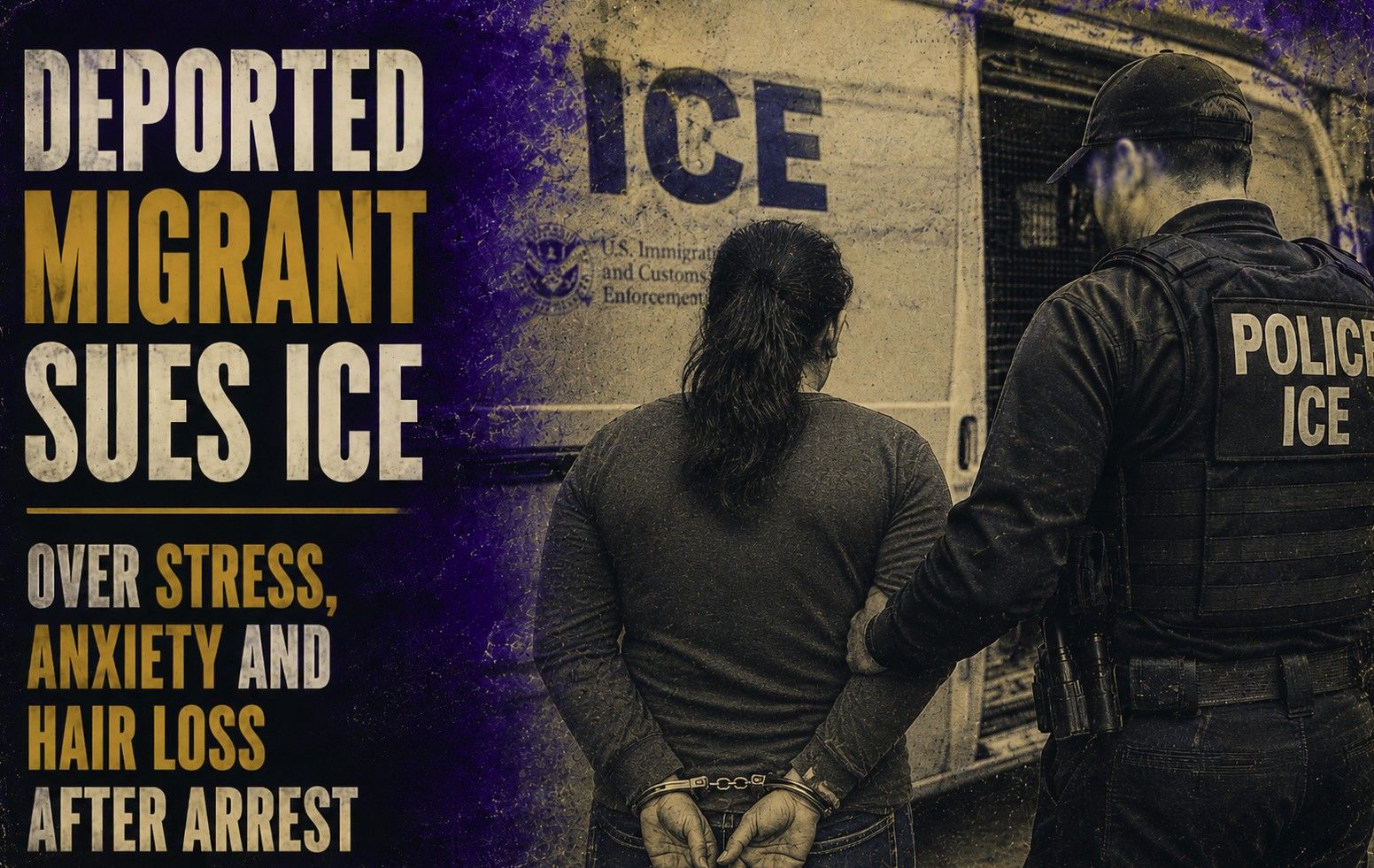
And that’s exactly what’s at the center of a new lawsuit filed against the federal government by a Mexican woman who was detained by ICE and later deported after living illegally in the United States for years. The lawsuit alleges federal agents acted in an unnecessarily aggressive manner when they arrested Nancy Martinez outside her Connecticut home while she was taking her children to school.
According to court filings, Martinez claims the encounter left lasting emotional scars on both her and her children. The lawsuit says she has suffered anxiety, stress-related headaches, hair loss, and other health issues following the arrest and deportation process. Her children, both American citizens according to the lawsuit, are also described as suffering emotional and educational difficulties after their mother’s removal from the country.
Predictably, reactions have split along familiar political lines.
Critics of immigration enforcement are portraying the incident as another example of government overreach and unnecessary cruelty. Supporters of stricter immigration enforcement see something very different.
They see a woman who, according to the lawsuit itself, entered the United States illegally, was removed, returned illegally, and remained in the country for approximately fifteen years despite existing immigration laws.
According to the complaint, Martinez was born in Mexico City and first entered the United States in 2010. She was subsequently removed from the country but later returned and remained in Connecticut with her family.
The lawsuit also notes that she became the focus of immigration enforcement following a 2025 altercation involving a family dispute that reportedly resulted in criminal charges. Her attorneys argue that federal agents unnecessarily traumatized the family during the arrest.
The government tells a different story. According to statements attributed to ICE, officers confirmed that another family member was available to care for the children before taking Martinez into custody. That detail will almost certainly become a major point of contention as the case moves through the courts. And it’s an important distinction.
Much of the public reaction to stories like this depends on the circumstances. Were the children abandoned without care? Or were arrangements made before the arrest occurred? Those are two very different scenarios. The lawsuit paints a picture of chaos and confusion. Federal officials maintain procedures were followed.
For years, immigration activists have argued that enforcing immigration laws separates families. That’s true. Sometimes it does. But another reality is also true. People who choose to enter or remain in a country illegally often make decisions that create legal risks for their families long before any immigration officer arrives. That isn’t a comfortable fact. But it is a fact.
The hardest immigration cases are often the ones where legal violations intersect with sympathetic personal circumstances. That’s what makes them politically powerful. Most Americans can look at children caught in the middle of these situations and feel compassion. Most Americans can also believe immigration laws should actually be enforced. Those positions aren’t mutually exclusive.
The open-border crowd often acts as though immigration laws themselves are immoral.
Nobody wants children caught in legal battles involving adults. But let’s also be honest about something. The children didn’t make the decision to enter the country illegally. The children didn’t make the decision to return after being deported. The children didn’t make the decision to remain for years without resolving immigration status. Adults made those decisions.
And that’s the part of these stories that often gets pushed into the background.
The media frequently frames these cases as if immigration enforcement simply appeared out of nowhere one random morning. It didn’t.
There was a chain of decisions stretching back years. That doesn’t mean every action taken by federal agents was appropriate. If misconduct occurred, courts should examine it. That’s what courts are for. But compassion and accountability aren’t opposites.
Americans can feel sympathy for children affected by immigration enforcement while also recognizing that immigration laws exist for a reason.