


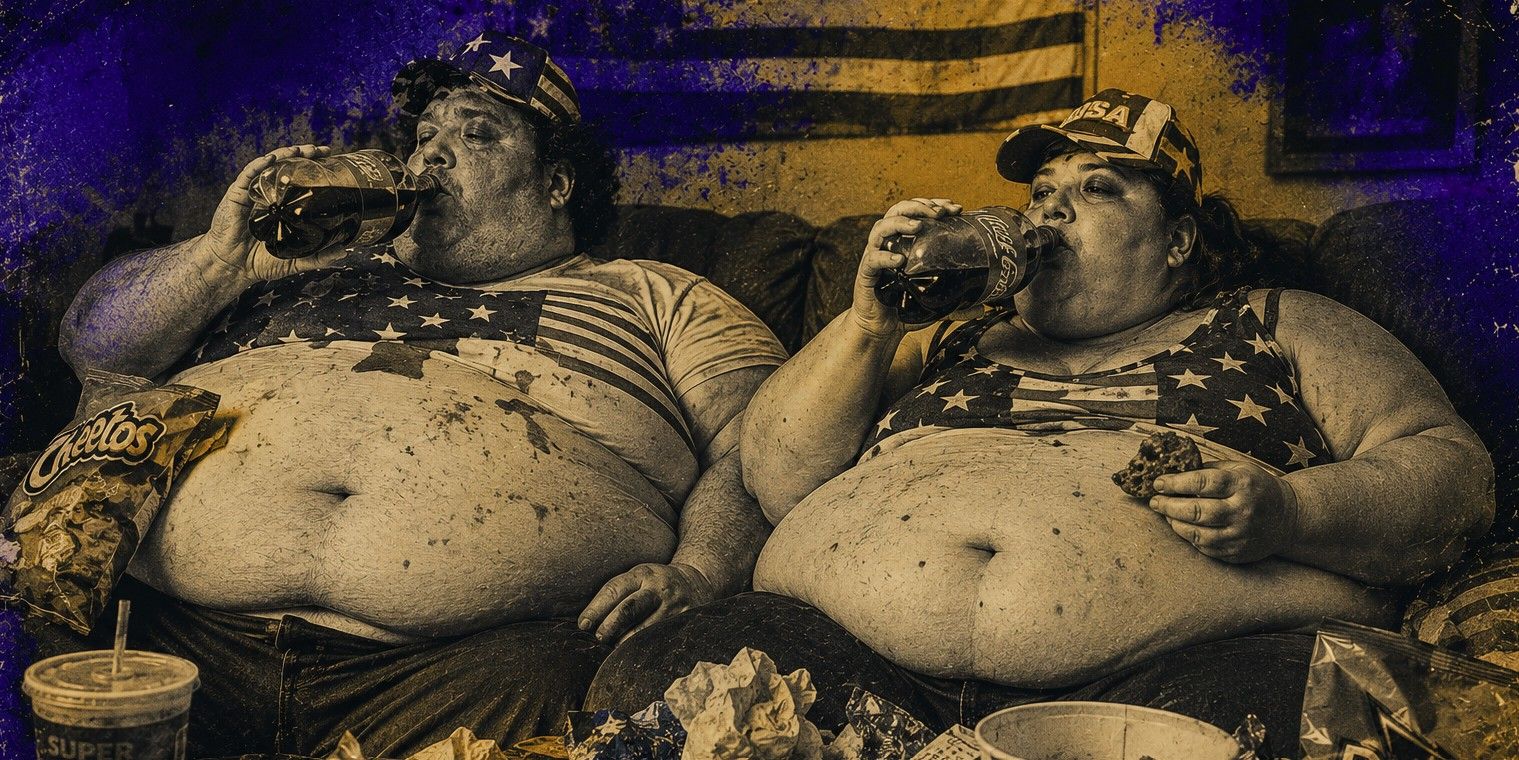
A federal judge just stepped in and delivered a major setback to one of the more talked-about pieces of the Trump administration’s Make America Healthy Again agenda.
The ruling centers on efforts by several states to prevent food-stamp recipients from using SNAP benefits to purchase soft drinks and soda. Supporters of the restrictions argued that taxpayers shouldn’t be subsidizing products that contribute to obesity, diabetes, and other health problems. Critics countered that government bureaucrats shouldn’t be deciding what families are allowed to put in their shopping carts.
Now a federal court has put the brakes on the experiment.
U.S. District Judge Amy Berman Jackson ruled that the Department of Agriculture exceeded its authority when it approved waivers allowing states to redefine what qualifies as food under the SNAP program.
In her ruling, Jackson wrote:
“Congress defined what ‘food’ is supposed to be, and it did not authorize the agency to amend or waive the definition it enacted. It did not authorize the agency to cut types of food out of SNAP entirely.”
She continued:
“It set out clearly the type of experimental projects that could be tested to address the unquestionably serious health issues attributed to the rise of obesity in the population in general and particularly the low-income population.”
The judge wasn’t necessarily saying the idea is bad policy. She was saying Congress wrote the law, and the executive branch can’t simply rewrite it because it thinks it has a better idea.
That’s an important distinction that tends to get lost in today’s political food fights. The case grew out of waiver requests submitted by Iowa, Nebraska, West Virginia, Colorado, and Tennessee. Those states wanted permission to test programs that would remove certain products—including soda and soft drinks—from the list of items eligible for SNAP purchases.
The Trump administration’s USDA approved those requests as part of a broader push backed by Health and Human Services Secretary Robert F. Kennedy Jr. and the Make America Healthy Again movement.
The argument from supporters was straightforward. America has an obesity crisis. Taxpayers already spend billions dealing with the health consequences of poor nutrition. Why should taxpayer-funded food assistance help pay for products that virtually everyone agrees aren’t exactly health food?
It’s a fair question. But it’s also where things get politically messy. Because once government starts deciding which foods are acceptable, where does the list end? Today’s target is soda. Tomorrow is it candy? Ice cream? Birthday cake? Chocolate milk? The frozen pizza every exhausted parent grabs after a long day?
One of the reasons Congress originally created a broad definition of food was because lawmakers knew these lines get blurry fast. And let’s be honest: Washington has never exactly earned America’s confidence when it comes to nutrition advice.
The same government that spent decades pushing low-fat diets later discovered that sugar might have been a bigger problem all along. Food pyramids changed. Recommendations changed. Scientific consensus changed. Americans have watched the experts reverse themselves enough times to become understandably skeptical whenever government announces that it has finally solved nutrition once and for all.
At the same time, supporters of the restrictions aren’t crazy for asking why taxpayers should finance products that contribute to health problems. That concern resonates with a lot of voters. Even many conservatives who dislike government micromanagement admit they cringe when they see taxpayer-funded benefits being used for items that offer little nutritional value.
The court may have paused the restrictions, but it didn’t settle the underlying argument. Not even close. The bigger fight is over what SNAP is supposed to be. Is it a nutrition program? Or is it primarily a food-purchasing assistance program? Those sound like the same thing until you start deciding which products make the approved list.
This is one of those stories where both sides have a point, which is probably why everybody is yelling. Most Americans understand that soda isn’t health food. Nobody is mistaking a two-liter bottle of cola for a salad. At the same time, Americans also tend to get nervous when government officials start acting like hall monitors in the grocery aisle. The deeper issue here isn’t really soda. It’s control.
Every few years Washington discovers a new mission to save Americans from themselves. Sometimes it’s food. Sometimes it’s energy. Sometimes it’s speech. Sometimes it’s plastic straws. The mission changes. The impulse stays the same. And here’s the part nobody wants to admit: if Congress believes soda should be excluded from SNAP, Congress has the power to change the law. That’s how the system is supposed to work.
For now, soda stays on the SNAP menu.









let them buy their own junk food!