


A New York City coffee shop that proudly advertises itself as a welcoming community gathering place may soon find itself defending that reputation in court.
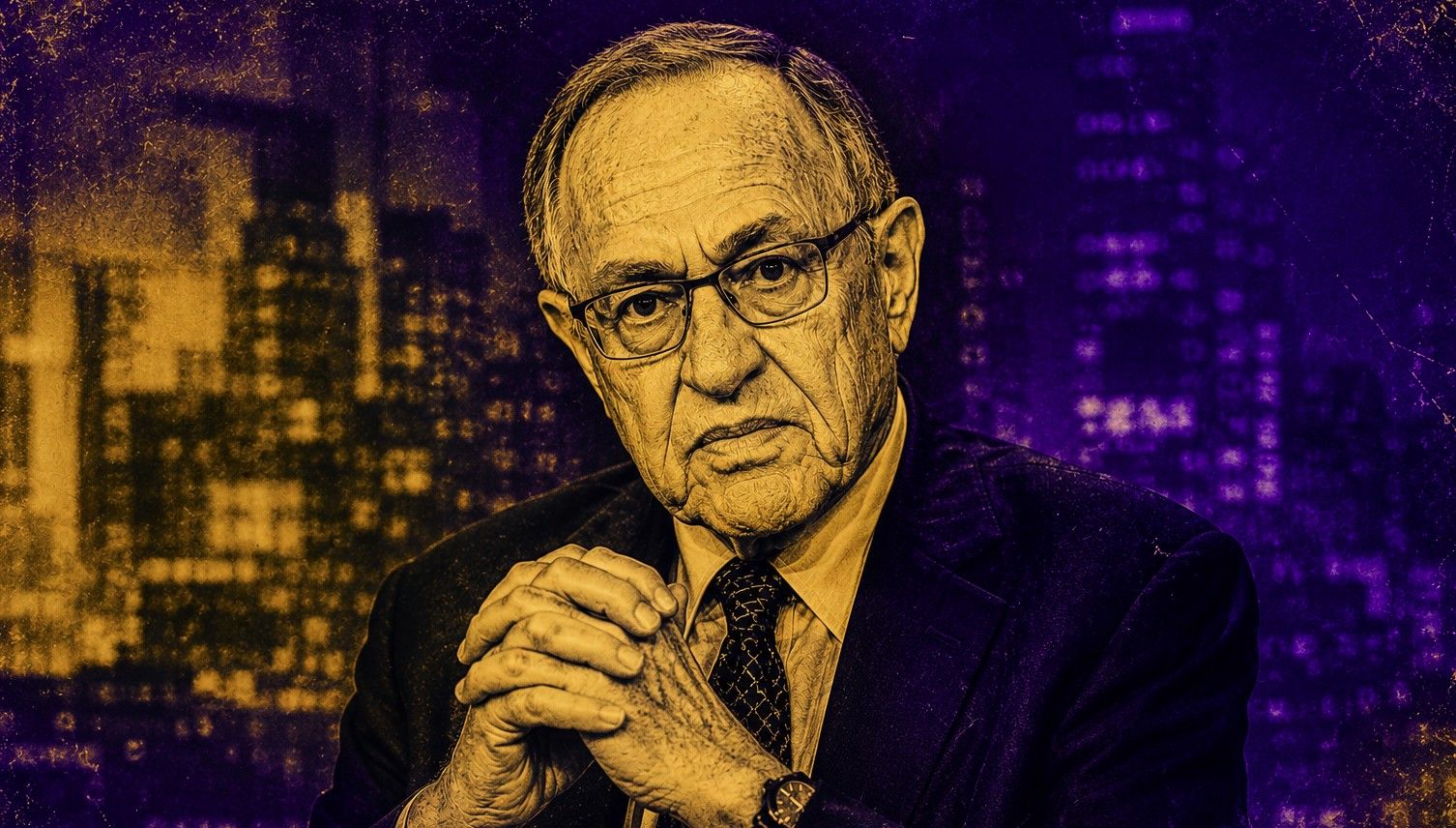
The latest culture-war controversy brewing in Manhattan involves a neighborhood café, a Democratic congressman, a social media post that quickly went viral, and one of America’s most famous constitutional attorneys. Alan Dershowitz announced this week that he is exploring legal action against Poetica, a coffee shop that publicly shamed Rep. Dan Goldman after discovering he had purchased a cup of coffee at the business.
What began as a routine stop for caffeine quickly escalated into a national debate over political discrimination, anti-Israel activism, and whether businesses can selectively exclude customers based on their beliefs. The controversy erupted after Poetica published a lengthy social media post directed at Goldman, who has been a vocal supporter of Israel and recently served as honorary grand marshal of New York’s Israel Day Parade.
The shop wrote:
“Hey Congressman Dan Goldman, we see that you stopped by our shop today for a coffee. Do you see how it doesn’t taste like genocide juice? Or are you still having a hard time telling the difference?”
The message continued.
“See, here at Poetica, we don’t serve racists, fascists, homophobes, genocide enablers, or anyone in between. Too bad we didn’t recognize you right away, or we would have turned you away. We issued you a refund — we don’t need your money (it’s probably coming from AIPAC anyways). Enjoy your loss on Tuesday. Don’t ever come to Poetica.”
The post immediately generated outrage among supporters of Israel and concerns among civil-liberties advocates who viewed the incident as a troubling example of political discrimination disguised as activism. Enter Alan Dershowitz. Appearing on Newsmax, the longtime Harvard law professor argued that the issue extends far beyond a disagreement over Middle East politics.
“If Dan Goldman can’t have the coffee from this shop, nobody should. The Justice Department should shut it down, it should be boycotted.”
Dershowitz went on to argue that New York’s anti-discrimination laws may come into play.
“The law of New York prohibits discrimination based on invidious characteristics, including religion. And obviously this is based in part on religion, because Zionism is part of the Jewish religion.”
He added:
“So I’m going to try to bring a lawsuit if we can against this shop to make sure it can’t continue to discriminate.”
For Dershowitz, the larger concern is what he sees as a growing willingness among some activists to apply standards to Jewish Americans and supporters of Israel that would never be accepted if directed at other groups.
“It’s ok to not only discriminate against Jewish Zionists — it’s okay to call them monsters.”
Political optics are already creating headaches for the coffee shop. Goldman himself appeared more puzzled than angry when discussing the incident during a television interview. According to the congressman, his experience inside the café was entirely pleasant. He said the employee who served him was friendly, allowed his daughter to use the restroom, and received a generous tip in return. That made the social media attack all the more surprising.
“What is going on in the Middle East is horrific. And the idea of accusing someone who you don’t know of supporting a genocide — I mean, it’s crazy.”
Goldman added:
“Now, I may disagree as to whether or not there’s a genocide, but come on. We’re better than this.”
The controversy has also prompted additional scrutiny of the business itself. Investigative reporting has highlighted allegations involving the owner’s past public statements and financial issues, further intensifying attention on the café and its decision to publicly target a customer over political views.
What’s striking about the episode is how quickly a business that markets itself around openness and community found itself accused of practicing the opposite. For years, Americans have heard corporations, universities, and small businesses promote diversity, inclusion, and tolerance as guiding principles. Yet controversies like this continue to raise an uncomfortable question: does that inclusiveness extend to people with the “wrong” political opinions? That’s ultimately why this story has attracted so much attention.






If the business is wholly privately financed and owned and run, then the owner can do whatever they want and turn away whoever they for any or no reason at the peril of their business, but if the business was started / backed by any kind of taxpayer funding / grant / loan, then they should be required to be held to the legal standard of serving everyone in a nondiscriminatory manner, regardless of the owners likes, dislikes, political leanings or personal beliefs.