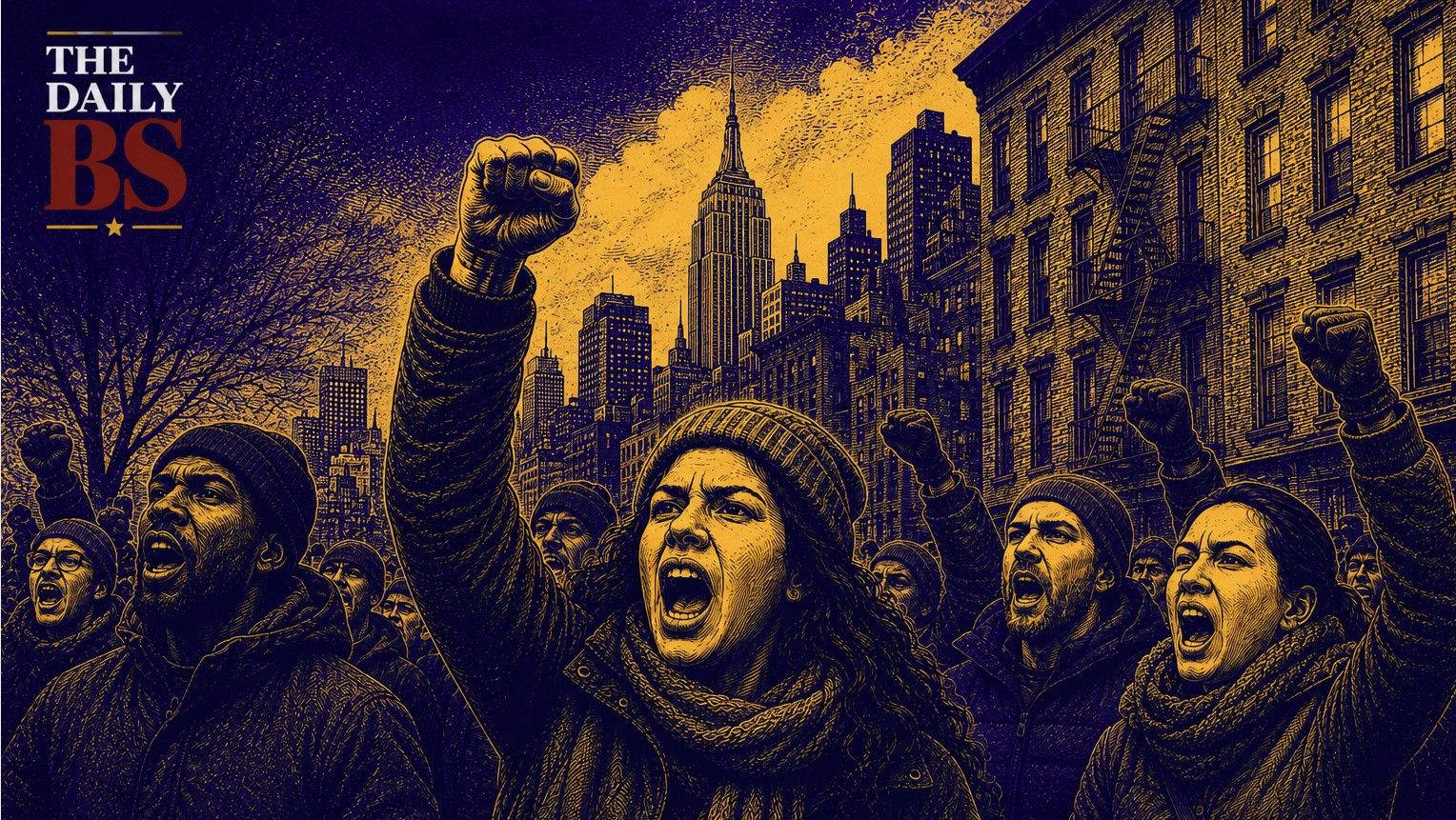
New York City’s Rent Guidelines Board voted Thursday to freeze rents on approximately one million rent-stabilized apartments, delivering one of Mayor Zohran Mamdani’s signature campaign promises just months after he took office.
The measure passed by a 7-1 vote, applying a 0% increase to both one-year and two-year rent-stabilized lease renewals. According to city officials, it marks the first time in New York City’s history that both lease terms have received a simultaneous rent freeze.
But the celebration inside the meeting hall was matched by accusations outside it that the outcome had been predetermined long before the board ever gathered to hear testimony.
The controversy intensified only hours before the vote when Rent Guidelines Board member Christina Smyth resigned, issuing a blistering letter arguing the process had become little more than political theater.
According to Smyth, the board had abandoned its original purpose.
“The board stopped being a fact-finding body.”
She went even further.
“Everything else has been theater. The hearings, the reports, the public comment, the data. None of it was ever going to change the result.”
Smyth contended the decision had effectively been made “last year on the campaign trail,” suggesting the public hearings and economic reviews were merely formalities rather than genuine deliberation.
Her resignation immediately fueled criticism from property owners, many of whom argue that rent stabilization only works if increases keep pace with rising operating costs.
The Rent Guidelines Board’s own research paints a challenging financial picture for many building owners. Its annual report found that insurance expenses for rent-stabilized properties climbed more than 10 percent over the past year, while fuel costs increased roughly 11 percent and maintenance expenses continued their steady rise.
Those numbers became a central talking point for landlord organizations following Thursday’s vote. Ann Korchak, president of the Small Property Owners of New York, argued Smyth’s resignation confirmed what many owners feared all along.
“The resignation of the only principled RGB member and the board’s only meaningful advocate for small owners validated our greatest fear.”
The Real Estate Board of New York delivered a similar warning. President James Whelan said the board had ignored its own economic data, arguing the decision could discourage investment in aging apartment buildings and ultimately leave tenants living in deteriorating housing.
“Tonight’s vote may be politically popular, but it will make New York’s housing crisis worse.”
Mayor Mamdani, however, framed the outcome very differently. Calling the Rent Guidelines Board an independent body that spent months reviewing evidence and hearing testimony, the mayor celebrated the vote as long-overdue relief for working New Yorkers. In a statement following the decision, Mamdani declared:
“This is a historic victory for New York City tenants.”
He added:
“This is the relief that working people across our city deserve.”
Tenant advocates argue that renters continue to struggle with one of the nation’s least affordable housing markets, where even modest annual rent increases can push families closer to financial hardship.
Property owners counter that apartment buildings cannot be maintained indefinitely if operating expenses continue climbing while rental income remains frozen. They argue deferred maintenance, delayed repairs and reduced investment become inevitable when revenue no longer keeps pace with costs.
One interesting wrinkle in Thursday’s debate came from Maksim Wynn, a landlord representative appointed by Mayor Mamdani. Although he acknowledged that many rent-stabilized buildings face genuine financial stress, Wynn ultimately supported the freeze, telling board members that, in his view, a temporary rent increase of zero percent remained in landlords’ long-term interest.
Historically, rent freezes have been relatively uncommon. The Rent Guidelines Board previously approved freezes only three times—during the administration of former Mayor Bill de Blasio—in 2015, 2016 and 2020, and those applied only to one-year leases.
The latest vote goes further, extending the freeze to both one-year and two-year renewals.
At the same time, City Hall continues developing a proposed insurance program designed to reduce costs for owners of rent-stabilized buildings. The administration announced the concept earlier this year, but details on how the program would operate have yet to be released.