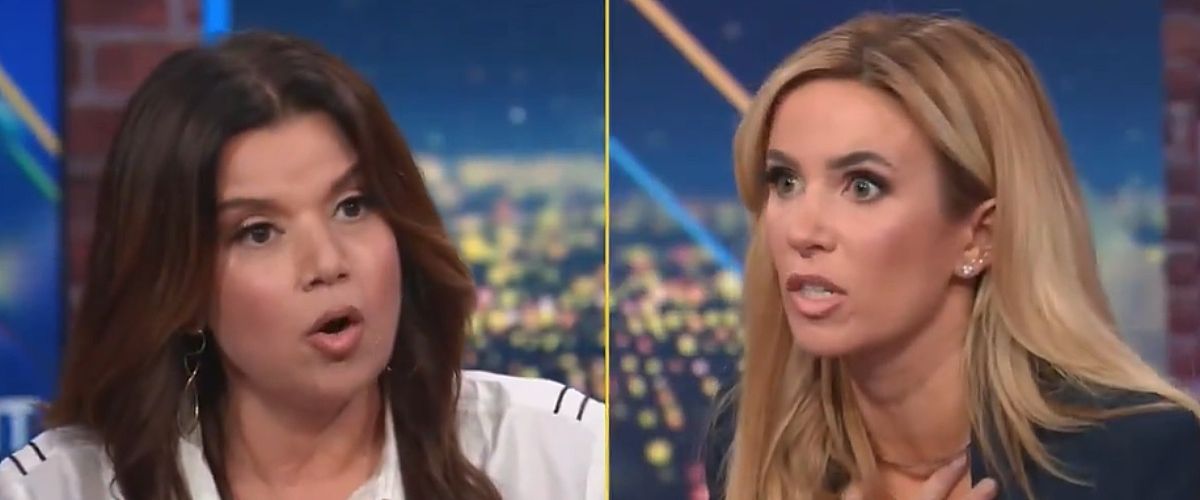
Political commentator Ana Navarro found herself on the defensive this week after a viral exchange exposed what many conservatives say is one of the most glaring double standards in the immigration debate.
The moment came during a heated discussion over immigration enforcement and ICE operations when former Trump administration official Caroline Sunshine challenged Navarro to name Americans who had been killed by illegal immigrants.
The question was straightforward.
The answer was not.
According to video clips that quickly spread across social media, Navarro responded by naming individuals whose deaths have been associated with recent immigration enforcement controversies and federal law enforcement encounters rather than naming American victims killed by illegal aliens. When pressed again, Navarro admitted, “I know some of the names, I don’t have the list.”
Navarro: They killed Renee Good and Alex Pretti. And now Lorenzo Salgado Araujo
Sunshine: Do you know some of the names of Americans who’ve been killed by illegal immigrants? What are some of the names?
pic.twitter.com/1w2WQwxdTv— Defiant L’s (@DefiantLs) July 10, 2026
For critics of the media’s immigration coverage, that exchange instantly became symbolic of a larger problem.
National media figures devote enormous attention to stories involving deportations, detentions, ICE operations, and alleged enforcement abuses while often giving far less attention to victims of crimes committed by illegal immigrants. The debate has intensified throughout 2026 as the Trump administration’s immigration crackdown has collided with high-profile protests and media coverage centered on immigration enforcement.
The question Sunshine posed wasn’t simply a trivia test. It was a challenge to priorities. Supporters of stricter immigration enforcement point to cases that became national flashpoints, including victims such as Jocelyn Nungaray, whose murder sparked renewed calls for tougher border security and immigration enforcement. The case was repeatedly cited by President Trump and other Republicans during the 2024 campaign and continues to be referenced in immigration debates today.
While activists, commentators, and politicians can often quickly recite the names of individuals involved in controversial enforcement actions, they struggle to demonstrate the same familiarity with Americans killed by criminal illegal aliens.
The viral exchange also highlighted a growing divide inside the Democratic coalition. While progressive activists continue focusing heavily on enforcement actions, deportations, and detention conditions, many working-class voters—including growing numbers of Hispanic and Latino voters—have shifted toward stronger border enforcement and stricter immigration policies.
That political realignment helped fuel President Trump’s return to the White House and remains one of the biggest warning signs facing Democrats.
The controversy surrounding Navarro may fade in a few news cycles. The question she was asked probably won’t. Because for many Americans, immigration isn’t an abstract policy debate. It’s personal. And voters increasingly want to know whether the people shaping the national conversation recognize all of the victims—or only the politically convenient ones.
If you spend years lecturing Americans about immigration, border security, ICE, detention facilities, deportations, sanctuary cities, and compassion, people naturally assume you’ve also spent some time thinking about the Americans who paid the highest price for failed immigration policies.
Apparently that was a risky assumption.